Agatha Christie banner portrait
PoM Blog / Literature / English + 中文

Agatha Christie and Her Novels

1890.09.15 - 1976.01.12 Detective fiction / drama Poirot / Marple / The Mousetrap Golden Age / locked-room / poison

This page is not a bare introduction. It treats Christie as a writer, plot engineer, cultural industry, and historical figure: her life, signature detectives, the architecture of her most famous puzzles, the archaeology years, the theatre legacy, and the reasons she still dominates global mystery reading.

Life in Outline

Agatha Mary Clarissa Miller was born in Torquay in 1890 and grew up in a comfortable upper-middle-class household whose mixture of domestic order, social performance, and private imagination later became one of her narrative laboratories. She was educated largely at home, read widely from childhood, and developed early interests in storytelling, music, and theatrical play. These beginnings matter because Christie's fiction rarely emerges from abstract theory; it grows from rooms, manners, routines, letters, meals, servants, garden paths, railway timetables, and the choreography of polite conversation.

Her early adulthood brought travel, wartime service, marriage, and repeated attempts at publication. During the First World War she worked first as a nurse and then in a hospital dispensary. That practical knowledge of medicines and toxic substances became one of the most durable technical advantages in twentieth-century crime writing. Her first detective novel, The Mysterious Affair at Styles, written during the war and published in 1920, introduced Hercule Poirot and opened one of the most commercially successful careers in literary history.

The crisis year of 1926 fused private grief and public myth: her mother's death, the collapse of her first marriage, and her famous eleven-day disappearance made Christie herself into a mystery. Later, her second marriage to archaeologist Max Mallowan brought long periods of travel in Iraq and Syria. Those years widened her settings, sharpened her observational prose, and linked country-house detection to archaeology, empire routes, desert hotels, steamers, and ancient landscapes.
Works Timeline

This timeline uses the standard PoM vertical sequence and follows Christie from debut detection through travel mysteries, stand-alone masterpieces, and late-career farewells.

1920The Mysterious Affair at Styles

Poirot enters print, and Christie establishes the country-house clue puzzle as the first durable engine of her career.

1922-1926Tommy, Tuppence, and Roger Ackroyd

The Secret Adversary proves she can write lighter intrigue, while The Murder of Roger Ackroyd becomes a historic shock to detective fiction through narrator design.

1930The Murder at the Vicarage

Miss Marple arrives in novel form and redirects intelligence toward village analogy, gossip memory, and the social reading of ordinary behavior.

1934-1937Orient Express, Nile, and the travel phase

Murder on the Orient Express, Death on the Nile, and related novels transform trains, steamers, hotels, and imperial routes into compressed theatres of suspicion.

1939And Then There Were None

Christie pushes the closed-circle mystery to its limit: ten guilty histories, no resident detective, and one of the most exact plot mechanisms in crime fiction.

1952-1954The Mousetrap and the theatre ascendancy

Her suspense logic migrates from novels to stage form, with The Mousetrap and Witness for the Prosecution securing a second major legacy in drama.

1975-1976Curtain and Sleeping Murder

The late farewell books close Poirot and Marple near the end of Christie's life, turning long-running series into acts of final arrangement.

Major Works

Book covers are stored in the local image cache, so this shelf remains available without a third-party image service.

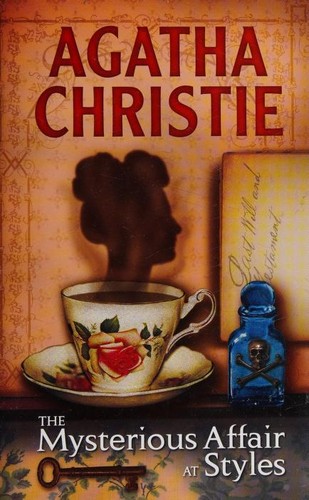
The Mysterious Affair at Styles cover

The Mysterious Affair at Styles

Poirot's first case in print, already combining poison knowledge, country-house suspicion, and the pleasure of orderly deduction.

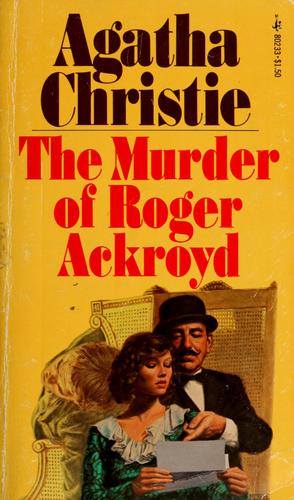
The Murder of Roger Ackroyd cover

The Murder of Roger Ackroyd

A decisive classic of unreliable narration and one of the boldest examples of fair-play reader deception.

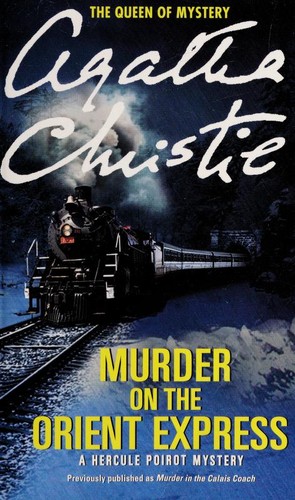
Murder on the Orient Express cover

Murder on the Orient Express

A luxury train, a sealed suspect circle, and a solution that turns justice into a collective moral problem.

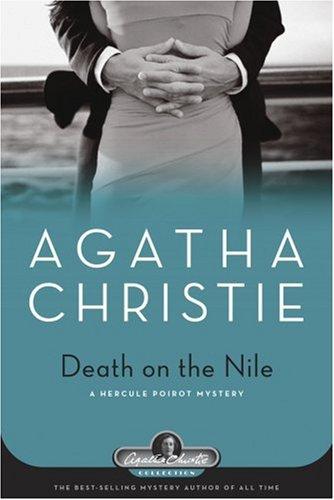
Death on the Nile cover

Death on the Nile

One of Christie's finest travel mysteries, joining glamour, jealousy, inheritance, and river confinement into a polished puzzle.

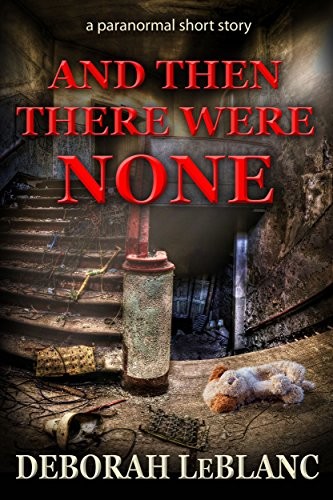
And Then There Were None cover

And Then There Were None

Her most famous stand-alone novel and perhaps the purest demonstration of plot architecture under extreme constraint.

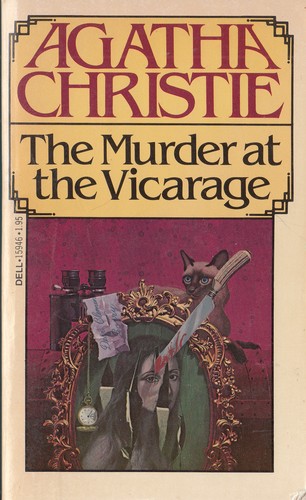
The Murder at the Vicarage cover

The Murder at the Vicarage

The first Miss Marple novel, important for shifting detective authority toward village analogy and quietly devastating social intelligence.

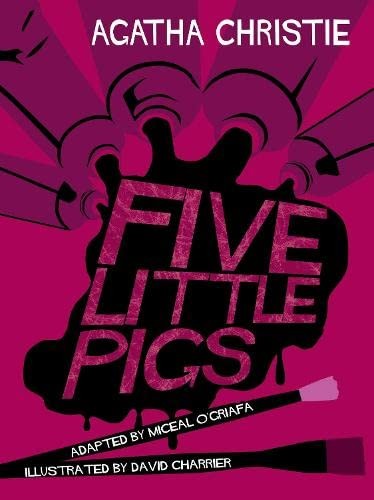
Five Little Pigs cover

Five Little Pigs

A retrospective murder inquiry built from memory and testimony, often regarded as one of Christie's most elegant structures.

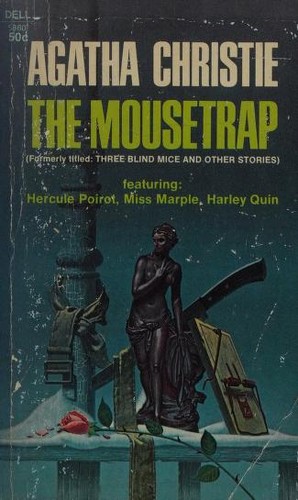
The Mousetrap cover

The Mousetrap

The play that turned Christie into a permanent theatrical institution, proving her suspense logic could outlive the page.

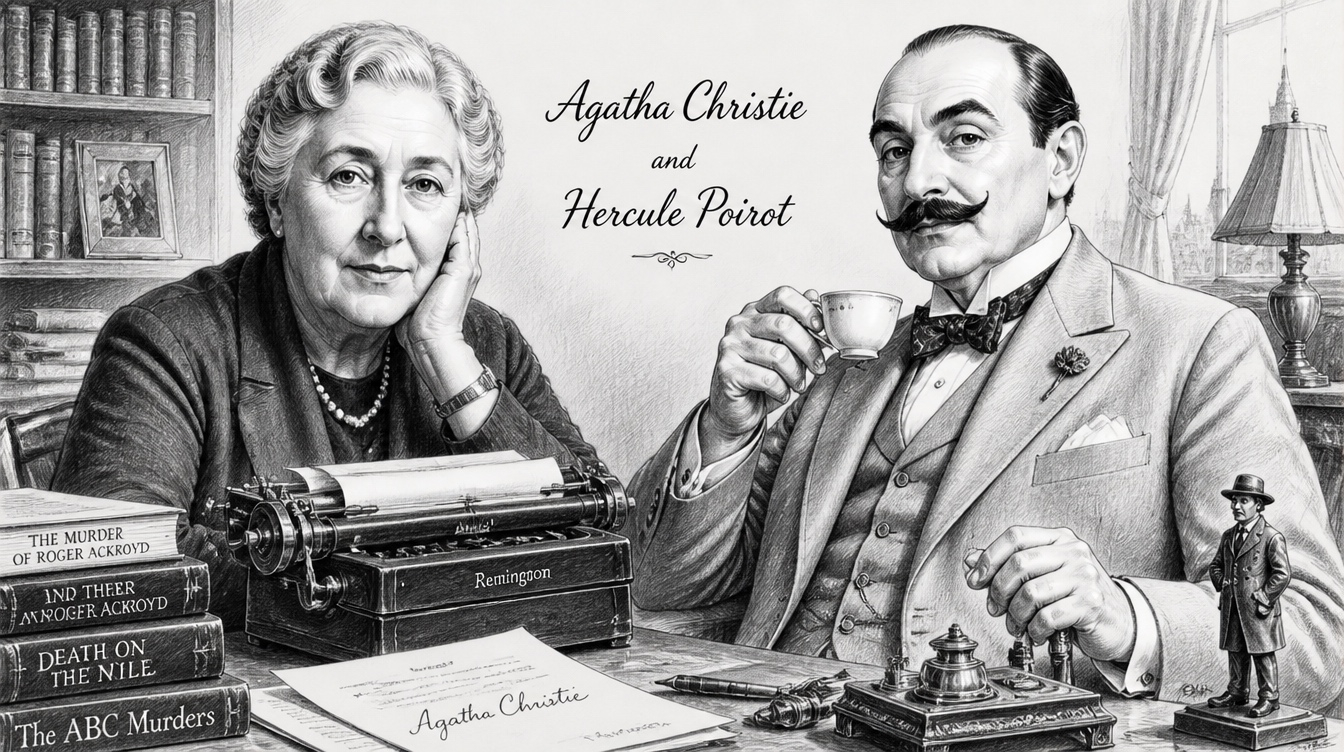
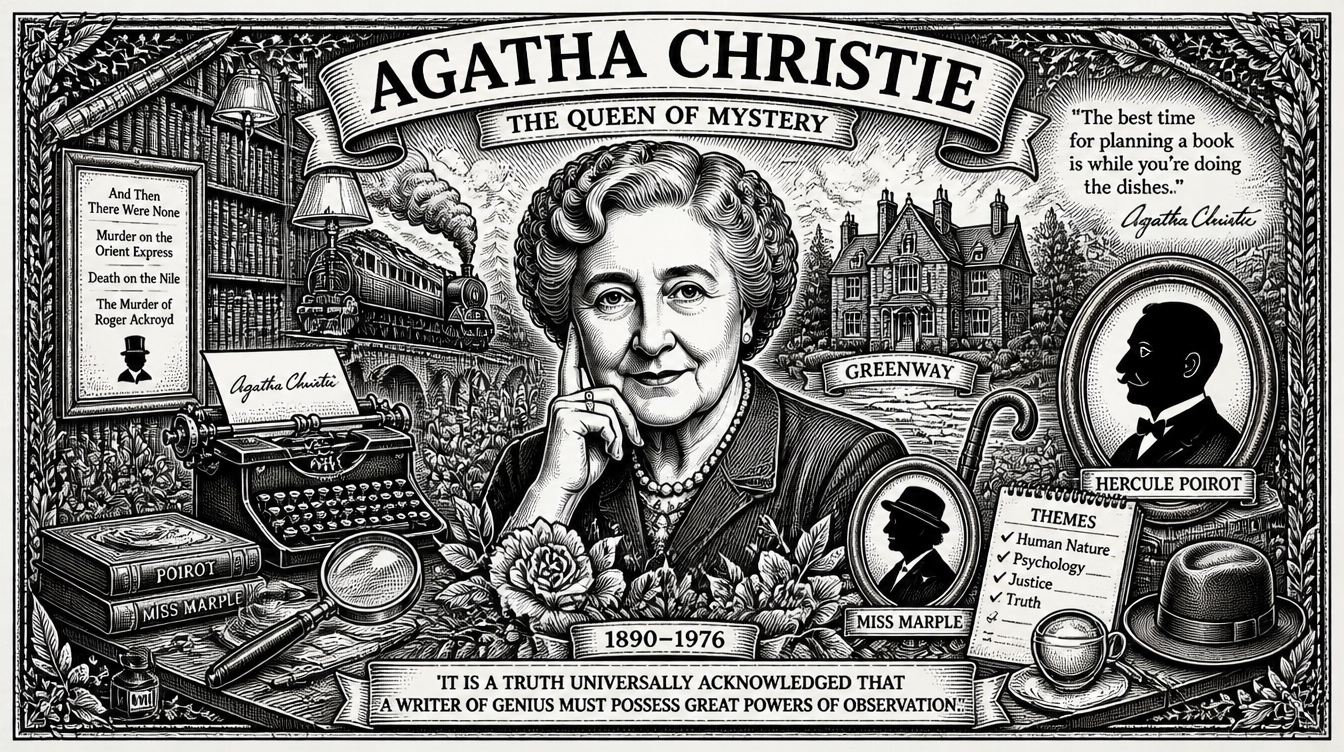
Hercule Poirot illustration and atmosphere

Signature Achievement I: Hercule Poirot

Poirot is one of the great inventions of popular literature because he is both method and performance. The Belgian refugee detective is memorable at the level of silhouette: egg-shaped head, precise dress, military moustache, punctilious habits. But his real force lies in how he turns psychology into stagecraft. He listens, arranges, provokes, withholds, flatters, and lets other people underestimate him. He does not simply follow clues; he studies vanity, class embarrassment, inheritance anxiety, erotic concealment, and the social masks people wear when they want to seem ordinary.

The Poirot series also shows Christie refining the classical whodunit. Early books still display clue mechanics in a relatively visible form, but later novels increasingly depend on the relation between narrative viewpoint and moral perception. The Murder of Roger Ackroyd redefined what fair-play deception could do. Murder on the Orient Express turned justice into a collective ethical puzzle. Five Little Pigs demonstrated how memory, testimony, and retrospective perspective could become the case itself. Poirot therefore matters both as a beloved detective and as the testing ground where Christie repeatedly altered the geometry of the detective novel.

Why Poirot lasts: He combines comic surface, rigorous logic, moral ambiguity, and theatrical closure. Readers remember the moustache, but they return for the way he turns conversation into an instrument of exposure.

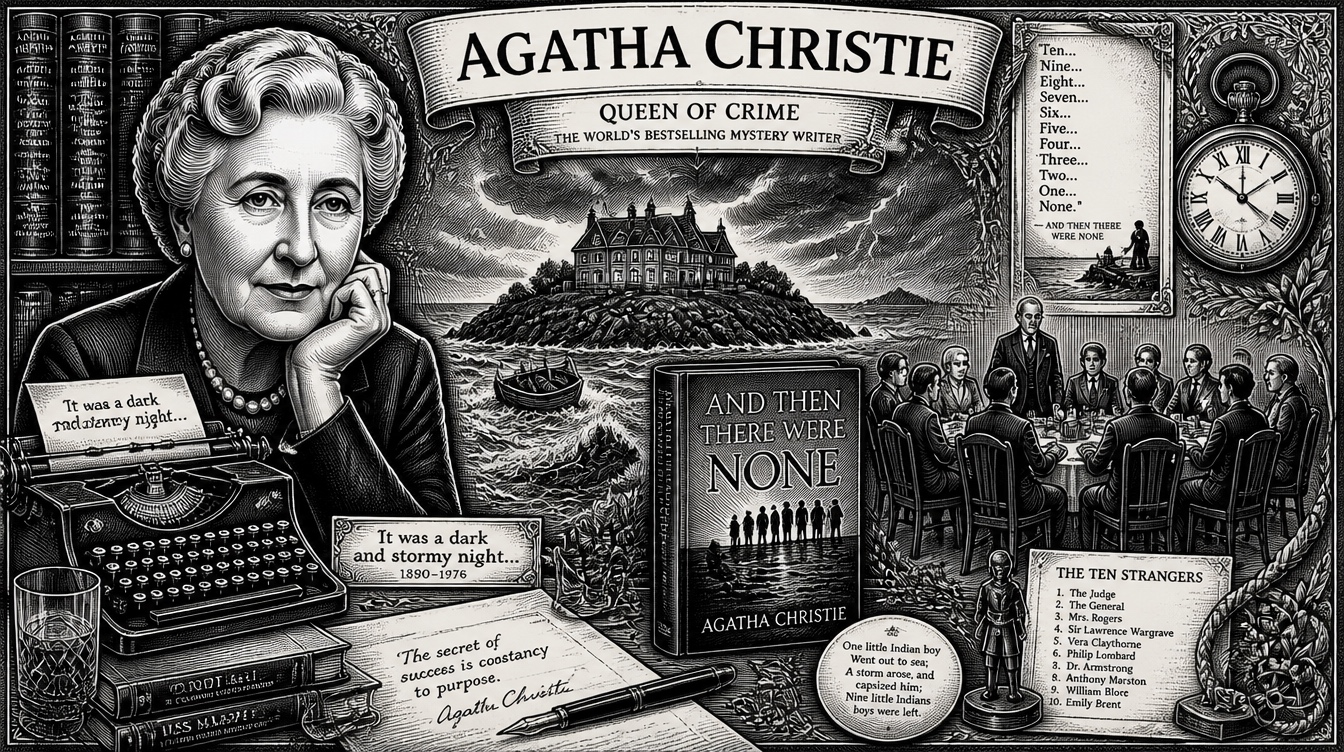
And Then There Were None atmosphere

Signature Achievement II: And Then There Were None

If the Poirot novels display Christie's serial mastery, And Then There Were None shows her pure architectural nerve. Ten people are cut off on an island and killed one by one according to a rhyme. There is no resident detective to stabilize the reading experience; instead, the novel converts suspicion into atmosphere. Everyone is compromised, everyone is afraid, and the structure tightens with each death. What makes the book extraordinary is both the solution and the precision with which it manages dwindling information, shrinking trust, and accelerating fatalism.

The novel pushes the closed-circle mystery to an extreme. Christie removes the usual sources of reassurance: no genial investigator, no stable perspective from which order can be restored, and no promise that naming the culprit will repair society. Detective fiction becomes a psychological siege and a moral reckoning. The book also has a difficult publication history. Its original British title and related language contained racial slurs that later editions removed. That history shaped how the novel circulated during the twentieth century and how publishers continue to edit it.

Even with that complication, the novel remains central because it solved an almost impossible design challenge: how to kill ten people in sequence without making the murderer either obvious or absurd. Christie herself took particular satisfaction in that feat, and she was correct. Few detective novels are remembered as both a puzzle and a suffocating emotional machine at the same level of intensity.

Other Major Fictional Worlds

Miss Marple

Miss Marple relocates intelligence from official expertise to village pattern-recognition. Her method is analogy: this person resembles that one, this scandal echoes an earlier one, this performance feels false because human pettiness repeats across scales.

Tommy and Tuppence

This pair lets Christie write aging, marriage, flirtation, espionage, and light adventure with more motion and wit than her stricter puzzle novels usually allow.

Mary Westmacott

Under this pseudonym Christie explored non-detective fiction, especially emotional damage, memory, compromise, and interior conflict that do not need a corpse to organize them.

Stand-alone puzzles

Books such as Crooked House, Endless Night, and Death Comes as the End show that Christie could shift tone across domestic tragedy, psychological dread, and historical experiment.

How Christie Wrote So Effectively

Christie's prose is often called plain, sometimes dismissively. That judgment misses the point. The style is economical because it is load-bearing. Description is rarely ornamental; it establishes angle of perception, class codes, rhythms of access, and the ordinary objects that later become clues. She understood that in detective fiction the reader must never lose spatial, conversational, and causal orientation for too long.

Her plots are built from compression. A suspect circle is limited. Motives are socially legible. The setting is vivid but administratively manageable: train, island, village, excavation camp, hotel, river boat, country house. Within that bounded world she introduces asymmetries of knowledge, concealment, shame, money, inheritance, romantic history, and timing.

Another strength is misdirection through normality. The clue is often not exotic but banal: a cup, a timetable, a draft, a medicine bottle, a piece of handwriting, a discrepancy in memory, the sequence of entrances, or the emotional texture of an alibi. Christie repeatedly proves the efficiency of everyday detail arranged in the right order as a mystery instrument.

Technical edge: Her war work in dispensaries gave her unusually reliable knowledge of drugs and poisoning. That is one reason poison appears so often in her fiction without feeling like decorative pseudo-science.

Archaeology, Travel, and the Expansion of Setting

Christie's marriage to Max Mallowan did more than provide biographical color. Archaeological travel enlarged her narrative world. It brought her into sustained contact with dig routines, desert logistics, multilingual social spaces, museums, train routes, colonial administration, excavation tensions, and the strange intimacy of temporary field communities. That experience feeds novels such as Murder in Mesopotamia and helps explain why Christie could move so confidently from English villages to transnational travel mysteries.

Travel in Christie is never merely scenic. It reorganizes who can lie to whom, who is trapped with whom, and how class performance survives under pressure. The train carriage, Nile steamer, and isolated hotel are not backdrops; they are engines that compress strangers, servants, lovers, officials, fugitives, and inheritances into a manageable crime theatre.

Stage Legacy and Cultural Afterlife

Christie is not only the queen of the detective novel; she is also one of the major theatrical brands of modern suspense. The Mousetrap, first staged in 1952, became the longest-running play in West End history. Witness for the Prosecution proved equally durable as a courtroom machine of reversal and testimony. These works show how naturally Christie thought in scenes, entrances, withheld information, and controlled revelation.

Her afterlife is exceptionally broad: film, television, radio, stage revival, graphic adaptation, games, postage stamps, academic criticism, tourism, heritage branding, and continuation novels authorized by the estate. At the same time, her work remains part of contemporary debate. Readers continue to discuss the relation between puzzle pleasure and historical prejudice, especially in the treatment of race and nationality in some texts. That debate does not cancel her importance; it makes clear that Christie is both a canonical writer and a historical archive of the assumptions embedded in twentieth-century popular fiction.

Why She Still Feels Central

  • She remains one of the best-selling novelists in history, which means her work is continuously active in mass readership as well as canonical.
  • She solved the problem of how to make highly artificial plots feel socially natural.
  • Her detectives represent distinct reading pleasures: Poirot offers theatrical logic, Marple offers social analogy.
  • She turned everyday civility into a machine for dread, revelation, and moral exposure.
  • Her books still train readers to notice timing, motive, language, and the pressure beneath ordinary manners.

Selected Reading and Reference Trail

Primary works to start with: The Mysterious Affair at Styles, The Murder of Roger Ackroyd, Murder on the Orient Express, Death on the Nile, And Then There Were None, Five Little Pigs, Crooked House, Endless Night, The Mousetrap.

Biographical and critical entry points: Agatha Christie's own An Autobiography; John Curran's Agatha Christie's Secret Notebooks and Murder in the Making; Laura Thompson's Agatha Christie: An English Mystery; Janet Morgan's biography; Michael C. Gerald's The Poisonous Pen of Agatha Christie.

Useful reading angle: Read one Poirot, one Marple, one stand-alone, and one play in sequence. That is the fastest way to see that Christie was never just repeating a single formula.

生平轮廓

阿加莎·玛丽·克拉丽莎·米勒 1890 年出生于英国托基,成长于一个相对富裕、秩序感很强的中上层家庭。她后来的小说之所以总能把日常礼仪、家居空间、私人秘密与社会表演结合得如此自然,与这段成长背景关系极大。她主要在家接受教育,从小广泛阅读,也接触音乐、表演与讲故事。阿加莎的写作是从房间、餐桌、仆人、花园小径、信件、火车时刻与客厅对话这种具体世界里长出来的,并非从抽象理论出发。

成年早期的她经历了旅行、战争服务、婚姻以及反复投稿受挫。第一次世界大战期间,她先做护士,后来在医院药房工作。这段经历带来的药物与毒理知识,后来成为她在二十世纪犯罪小说写作中最稳定、最难被替代的技术优势之一。她的第一部侦探小说《斯泰尔斯庄园奇案》写于战时,1920 年出版,同时也让赫尔克里·波洛正式登场,开启了文学史上最成功的商业写作生涯之一。

1926 年是她私人生活与公众神话交叠的一年:母亲去世、第一段婚姻破裂,以及著名的“失踪十一天”事件,使阿加莎本人也几乎变成了一则推理题。后来,她与考古学家马克斯·马洛温的第二段婚姻,又让她长期往返于伊拉克、叙利亚等地。这些岁月拓宽了她的题材空间,使她能把乡间侦探小说与考古现场、帝国交通路线、沙漠旅馆、轮船与古代遗址连接起来。

作品时间线

这里改为 PoM 页面里常用的纵向时间线样式,从出道侦探小说一路走到旅行谜案、独立高峰与晚年告别作。

1920《斯泰尔斯庄园奇案》

波洛正式登场,阿加莎也借此确立了自己最早、也最耐久的封闭嫌疑圈谜案写作引擎。

1922-1926《暗藏杀机》到《罗杰疑案》

她一方面通过汤米与塔彭丝证明自己能写更轻快的阴谋冒险,另一方面又用《罗杰疑案》把叙述者设计推进到推理史的经典震荡点。

1930《牧师公馆谋杀案》

马普尔小姐在长篇中亮相,侦探能力不再依赖职业权威,而转向村庄经验、类比直觉与日常人情观察。

1934-1937《东方快车谋杀案》《尼罗河上的惨案》与旅行阶段

火车、轮船、旅馆和帝国交通路线被她改造成高压嫌疑剧场,旅行不再只是风景,而是压缩谎言与关系的叙事机器。

1939《无人生还》

她把封闭空间谜案推到极限:十段有罪历史、没有常驻侦探,以及犯罪小说里最精密的结构装置之一。

1952-1954《捕鼠器》与戏剧高峰

阿加莎把自己的悬疑逻辑稳定迁移到舞台上,《捕鼠器》和《控方证人》使她在戏剧领域也获得了第二条持久遗产。

1975-1976《帷幕》与《沉睡的谋杀案》

晚年的告别之作分别为波洛与马普尔长期系列完成最后的整理,也让她自己的写作生涯形成清晰收束。

主要作品

书封已缓存到本地图片目录,不再依赖第三方图片服务。

《斯泰尔斯庄园奇案》封面

《斯泰尔斯庄园奇案》

波洛系列起点,也是阿加莎把毒药知识、庄园空间与古典推理快感首次稳定结合起来的作品。

《罗杰疑案》封面

《罗杰疑案》

推理小说史上的关键作品,以叙述者操控和公平诡计的极端完成度著称。

《东方快车谋杀案》封面

《东方快车谋杀案》

豪华列车、密闭嫌疑圈与非同寻常的正义问题,共同构成阿加莎最具全球辨识度的经典之一。

《尼罗河上的惨案》封面

《尼罗河上的惨案》

旅行型谜案的高峰之一,把魅力、嫉妒、继承与河上封闭空间磨合成极其成熟的结构。

《无人生还》封面

《无人生还》

最著名的独立长篇,也是她在极限条件下展现纯结构控制力的代表作。

《牧师公馆谋杀案》封面

《牧师公馆谋杀案》

马普尔小姐的第一部长篇,也是阿加莎把村庄社会观察转化为侦探机制的关键节点。

《五只小猪》封面

《五只小猪》

以记忆、供词和回溯调查为核心,被许多读者视为阿加莎结构最优雅的作品之一。

《捕鼠器》封面

《捕鼠器》

让阿加莎成为长期舞台机构性存在的戏剧作品,也证明她的悬疑逻辑能稳定离开书页继续运转。

波洛主题图

代表成就之一:波洛系列

波洛之所以成为大众文学史上最成功的侦探形象之一,是因为他同时是“方法”与“表演”。这位来自比利时的难民侦探,外形本身就极具记忆点:蛋形头、讲究服饰、夸张胡须、苛刻习惯。但真正让他成立的,是他如何把心理观察转化为舞台调度。他倾听、排列、刺激、隐瞒、恭维,也刻意让他人低估自己。他并不只是追踪线索,而是在研究虚荣、阶级羞耻、遗产焦虑、情欲遮蔽,以及人们为了显得“正常”而戴上的社会面具。

波洛系列也展示了阿加莎如何不断改写经典本格推理。早期作品里,线索机械还比较可见;到了中后期,她越来越擅长把叙述视角与道德认知本身变成谜题。《罗杰疑案》重新定义了“公平诡计”能走到什么程度;《东方快车谋杀案》把正义变成集体伦理问题;《五只小猪》则证明,记忆、供词与回溯性视角本身就能构成案件。因此,波洛不仅是一个广受欢迎的侦探人物,更是阿加莎不断推理几何结构的核心试验场。

波洛为何持久:他把喜剧表层、严格逻辑、道德暧昧与戏剧收束结合在一起。读者先记住胡须和姿态,但真正让人反复回到这些作品的,是他如何把谈话本身变成揭露工具。

无人生还主题图

代表成就之二:《无人生还》

如果说波洛系列体现的是阿加莎在长期连载中的成熟掌控,那么《无人生还》展示的就是她纯粹的结构胆识。十个人被隔绝在孤岛上,并依照童谣顺序一个接一个死去。这里没有常驻侦探来稳定读者情绪,相反,整部小说把“怀疑”本身转化成氛围。每个人都有过错,每个人都在恐惧,而结构随着死亡推进不断收紧。它最厉害的地方,不只在答案,而在于它如何精准管理不断减少的信息、不断缩小的信任,以及快速升级的宿命感。

这部作品把封闭空间谜案推到极限。阿加莎撤掉了通常能让读者安心的装置:没有温和可靠的侦探,没有逐步恢复秩序的稳定视角,也不承诺找出凶手便能修补社会。侦探小说由此变成心理围困与道德清算。作品的出版史同样棘手:最初的英国书名及相关文本含有种族侮辱用语,后续版本将其删除。这段历史影响了作品在二十世纪的传播,也影响着今天出版社的编辑方式。

即便如此,《无人生还》仍然是阿加莎写作中的核心高峰,因为它解决了一个几乎不可能的设计难题:如何在连续杀死十个人的同时,不让凶手显得明显,也不让答案显得荒谬。阿加莎本人就对这部作品的工艺性格外满意,而她的判断是准确的。很少有推理小说能同时在“谜题”与“窒息性的情绪机器”两个层面都达到这样的强度。

其他重要作品世界

马普尔小姐

马普尔把侦探能力从职业权威转移到村庄经验与人情类比之中。她的方法是“这个人像某种人,这件事像某件旧事”,并非技术分析。

汤米与塔彭丝

这一对搭档让阿加莎可以写年龄增长、婚姻互动、轻间谍元素与更灵活的冒险结构,语气也往往更轻盈。

玛丽·魏斯麦珂特

在这个笔名下,她尝试非侦探小说,更集中地处理情感创伤、记忆、妥协与内在冲突,不再依赖尸体来组织叙事。

独立长篇

像《怪屋》《无尽长夜》《死亡终局》这样的作品表明,她能在家庭悲剧、心理惊悚与历史实验之间转换,并非只会重复单一公式。

她为什么写得这么有效

很多人说阿加莎的文体“平实”,有时甚至带着贬义。但这恰恰忽略了重点。她的语言之所以节制,是因为它承担结构功能。她很少为了华丽而描写,描写的目的通常是建立视角、阶级密码、行动路径,以及那些后来会变成线索的普通物件。她很清楚,推理小说不能让读者太久失去空间感、谈话秩序与因果方向。

她的情节建立在高度压缩上。嫌疑人圈层是有限的,动机是社会可理解的,场所则是鲜明但管理性很强的:火车、岛屿、村庄、考古营地、旅馆、轮船、乡间宅邸。在这个封闭世界里,她再引入知识不对称、羞耻、财产、继承、恋爱史与时间差。

她的另一大强项,是用“日常性”完成误导。真正有效的线索往往并不奇诡,而是普通得近乎透明:一只杯子、一张时刻表、一阵穿堂风、一瓶药、一段笔迹、一处记忆偏差、出入房间的先后顺序,或者某个不合常理的情绪细节。阿加莎反复证明,推理小说最锋利的工具是经过精确排列的日常细节,并非冷僻知识。

技术优势:她在两次大战期间接触医院药房与药物分发工作,因此对毒药与药理有极高的实践性理解。这也是为什么毒杀在她笔下如此频繁,却不显得像装饰性伪科学。

考古、旅行与场景扩展

与马克斯·马洛温的婚姻,为阿加莎带来的并不只是传记色彩,而是真正意义上的世界扩容。考古旅行让她长期接触发掘营地、沙漠运输、多语言社交空间、博物馆、铁路线路、殖民行政、临时共同体与古代遗址。这些经验直接反哺到《美索不达米亚谋杀案》等作品之中,也解释了她为何能如此自然地从英国村庄推理,延伸到跨国旅行型谜案。

在阿加莎这里,旅行从来不只是风景。它会重新组织谁能对谁撒谎、谁被困在谁身边,以及阶级表演在高压环境里如何继续运作。火车车厢、尼罗河轮船、孤立旅馆,是把陌生人、仆人、恋人、官员、逃亡者与遗产问题压缩到同一犯罪剧场里的机器,并非背景板。

戏剧遗产与文化后效

阿加莎不仅是侦探小说女王,也几乎可以说是现代悬疑戏剧最成功的品牌之一。《捕鼠器》自 1952 年上演后,成为西区历史上最著名的超长跑作品;《控方证人》则证明她对法庭反转与证词节奏的掌控同样惊人。这说明她并不只是会写小说,她本来就极善于从“场景、登场、延迟披露、信息控制”来思考叙事。

她的后续生命力也极其广泛:电影、电视剧、广播剧、舞台复排、图像改编、游戏、邮票、学术研究、文学旅游与官方授权续作,几乎构成一整套持续运转的文化产业。同时,她的作品也一直处在现代讨论中。尤其是在种族、民族刻板印象等问题上,今天的读者会重新审视她作品中的历史偏见。这种讨论并不会抹去她的重要性,反而说明阿加莎既是经典作家,也是二十世纪大众文学心理结构的一份历史档案。

她为什么至今仍然居中

  • 她仍是历史上销量最高的小说家之一,这意味着她是在现实阅读市场中持续活跃,并非“只在文学史里重要”。
  • 她解决了一个关键问题:怎样让高度人工的谜题结构读起来依然像真实社会生活。
  • 她创造了两种非常不同但都极稳定的阅读快感:波洛代表戏剧化逻辑,马普尔代表社会经验类比。
  • 她把看似文明、礼貌、日常的生活场景,变成恐惧、揭露与道德暴露的高效装置。
  • 她的书至今仍在训练读者如何观察时序、动机、语言细节,以及普通礼貌背后的压力。

建议阅读顺序与参考书目

适合作为入口的原作:《斯泰尔斯庄园奇案》《罗杰疑案》《东方快车谋杀案》《尼罗河上的惨案》《无人生还》《五只小猪》《怪屋》《无尽长夜》《捕鼠器》。

传记与研究入口:阿加莎本人的《自传》;John Curran 的《Agatha Christie's Secret Notebooks》《Murder in the Making》;Laura Thompson 的《Agatha Christie: An English Mystery》;Janet Morgan 的传记;Michael C. Gerald 的《The Poisonous Pen of Agatha Christie》。

实用阅读方法:按“一个波洛、一个马普尔、一个独立长篇、一个戏剧作品”的顺序读,最快能看出阿加莎从来不是只在重复一个固定公式。