Research Radar
AI-driven Industrial World Modeling
Nanjing University Co-Research Program
Build autonomous IT/OT infrastructure with Dynamic Behavior Modeling. Industrial behavior is expressed in natural-language semantics that engineers and AI agents can understand and use as services or tools.
Build autonomous IT/OT infrastructure with Dynamic Behavior Modeling. Industrial behavior is expressed in natural-language semantics that engineers and AI agents can understand and use as services or tools.
Definition
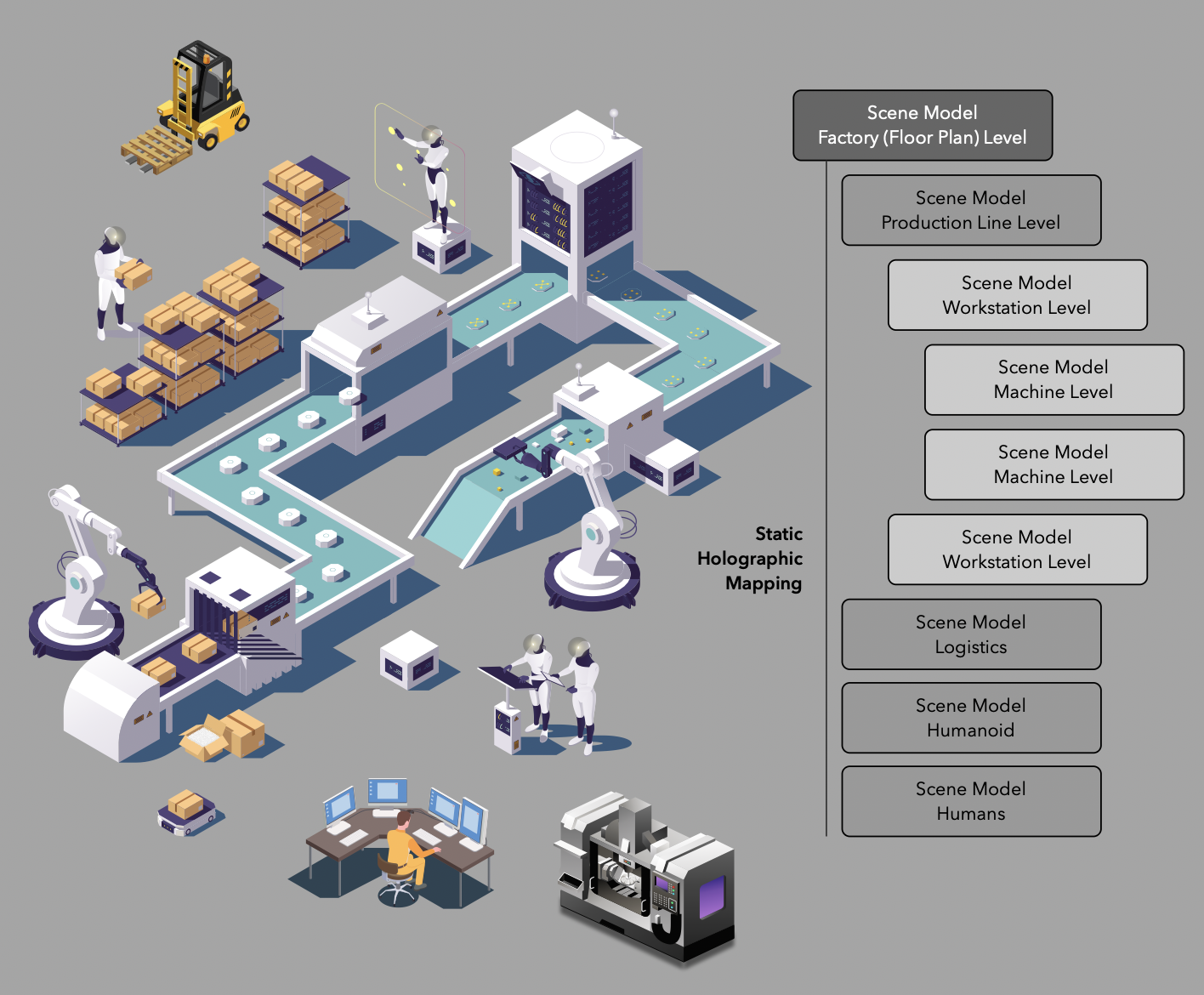
An industrial world model is a digital representation of an industrial system. It describes spatial structure, physical objects, processes, and behavior rules in a common form. AI can assemble parts of the model from point clouds, images, engineering files, and operational data, with engineers reviewing the results. The resulting 3D scenes and semantic models can be queried, exchanged, and used by applications in manufacturing, buildings, and energy.
An industrial world model provides:
- 1. a unified, machine understandable representation of industrial environments;
- 2. a foundation suitable for digital twins, automation engineering, intelligent operations & maintenance, AI copilots, and autonomous systems;
- 3. a semantic data space (interoperable data continuum) that can be shared across organizations and systems.
1. Multimodal-AI Enabled Industrial Scene Modeling
This work studies how AI can combine the different records used to describe an industrial site. Inputs include LiDAR and SLAM point clouds, images, video, CAD, 3D asset libraries, BIM, sensor readings, device logs, SCADA and PLC data, production recipes, bills of materials and processes, operating procedures, and material-flow records.
- Multimodal fusion and alignment (point cloud + CAD)
- AI-assisted 3D scene reconstruction (automatic semantic Mesh/Volume generation)
- Intelligent recognition of industrial equipment, facility systems, and power systems
- Dynamic behavior characterization of typical industrial scenes (as foundation for AI-generated workflows)
- Spatio-temporal structure modeling of factories, buildings, and energy systems
2. Semantic Mapping Between 3D Scenes and Information Models & Standard Ontologies
This work maps objects, topology, and behavior in a 3D scene to industrial information models and ontologies. The standards under study include OpenUSD, 3MF, ISA-95, ISA-88, OPC UA, AAS, IEC 61850, MTP, Brick, SAREF, ECLASS, and DPP. Engineers should be able to inspect the mapping, while software agents should be able to query and act on it directly.
- 3D geometry → semantic objects (class, function, role)
- Spatial relations → asset topology / process topology
- Behavior patterns → runtime events / KPI / state machines
- 3D and industrial domain ontology mapping/construction (e.g., AAS Submodel, OPC UA NodeSet, IEC 61850 Logical Node, MTP, Brick, RedFish)
- Standard model representation and AI-driven generation for 3D scenes (e.g., OpenUSD, 3MF, X3D)
- Data trust, traceability, and secure sharing (IDS / GAIA-X framework)
- Consistency management of world models in multi-agent collaboration
3. Industrial Domain Dataset Collection and Construction
Industrial world models need data that connects geometry with equipment identity, process context, and operating behavior. This research therefore includes shared open or access-controlled datasets for training and validation. The initial dataset groups are listed below.
Typical Industrial Dataset Examples:
- (1) Discrete Manufacturing - SMT/PCB point clouds and vision data, robot cell/production line 3D structures, industrial equipment time-series data, AGV/logistics path data, CNC/injection molding/assembly line semantic data, process parameter semantic mapping
- (2) Process Industries - Tank areas, reactors, heat exchangers, pipeline network topology, DCS/PCS historical data, process streams and material property semantics, unit operations models
- (3) Buildings & Data Centers - BIM (IFC) and 3D point cloud alignment data, HVAC air/water system topology, UPS/chiller operational behavior data
- (4) Energy - Photovoltaic array 3D scenes, energy storage BMS cell data, microgrid power flow/topology operation logs
- (5) Carbon Footprint - Production chain material flow/energy consumption data, equipment lifecycle data, emission factor datasets, carbon audit and carbon inventory standardized templates
4. Physics Engine & Production Cycle-Time Simulation
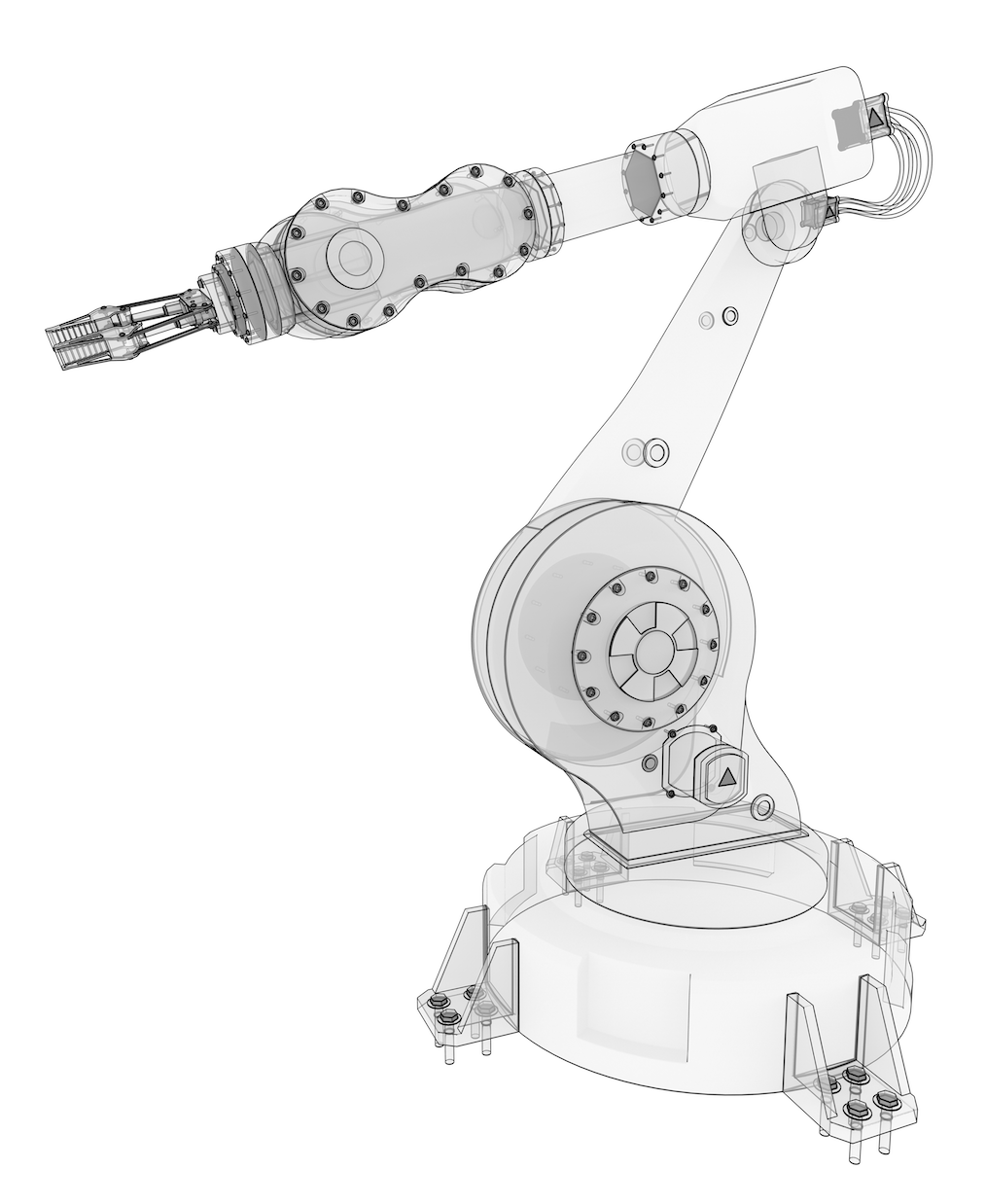
Physics and cycle-time simulation add motion, contact, timing, and material flow to an industrial world model. Engineers can use these simulations for automation design, digital-twin validation, process analysis, and anomaly studies. They also provide controlled environments for training and testing AI agents.
Technical topics:
Abstraction of physics engine skills and integration into industrial scenarios, such as:
- - Rigid Body Dynamics
- - Articulated Kinematics
- - Collision Detection
- - Material behaviors like friction/damping/elasticity
- - Multi-joint trajectory and motion planning for robots
- - Path behaviors and dynamic feedback for AMR/AGV
- - Impact of weight, inertia, and center of gravity in material handling
- - Approximate behaviors of fluid or flexible systems (e.g., conveyor belts, packaging scenarios)
Embodied Intelligence for Smart Factory Standard
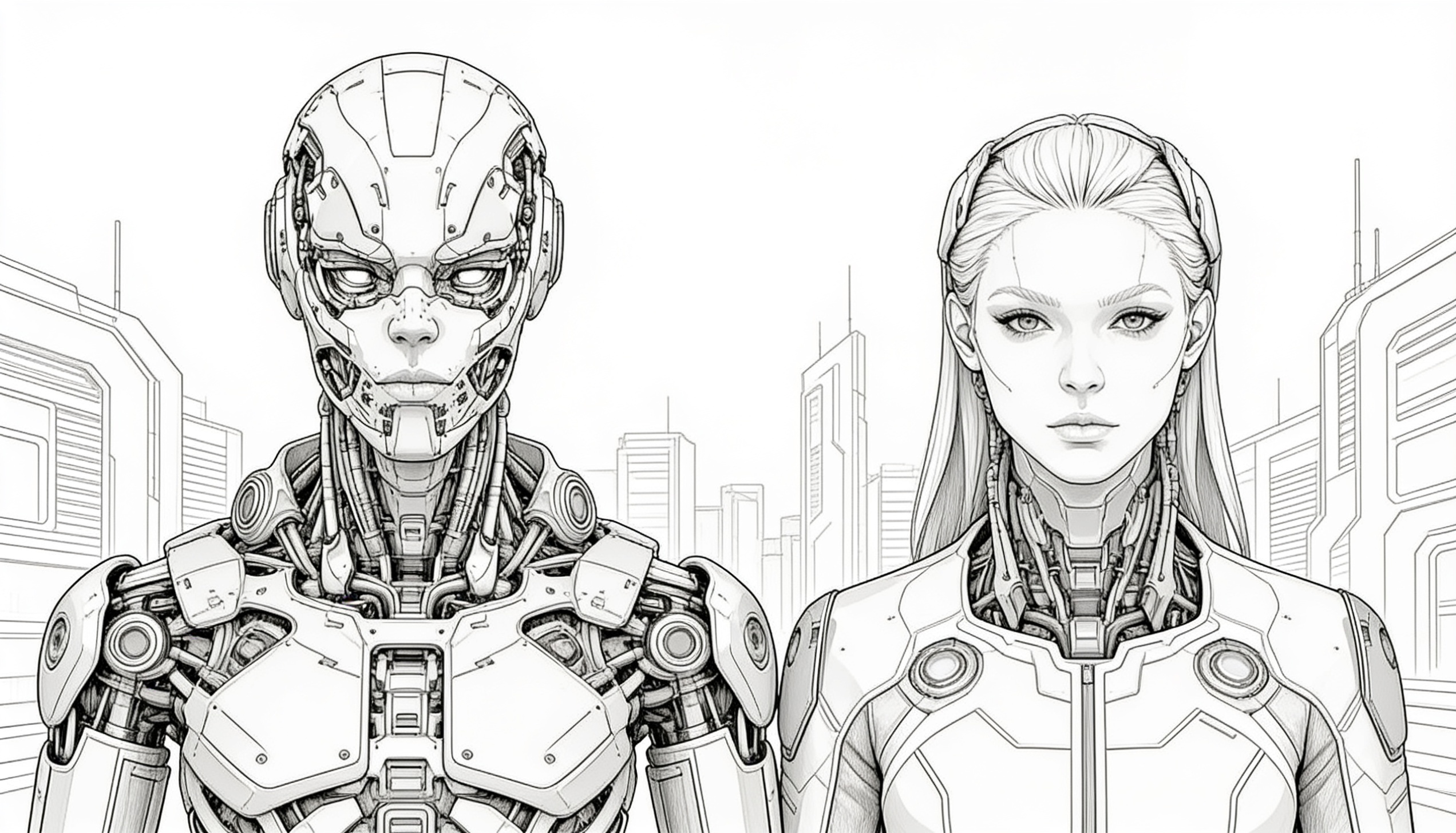
Embodied-intelligence systems must connect AI decisions to movement and interaction in physical space. A robot model therefore needs more than geometry and software interfaces. It must also describe capabilities, state, behavior, constraints, and the environment in which the robot operates. A common information and behavior model would let engineering tools exchange these descriptions across platforms and industries.
The proposed standard separates this work into metamodels, static information models, dynamic behavior models, and interoperability rules. The metamodel defines types, structure, and security. Information models describe robots and their industrial context. Behavior models cover behavior trees, state machines, simulation, semantic actions, and agent interaction.
Domain-specific languages, communication protocols, and runtime specifications would provide a common way to connect different humanoid robots to applications in factories and other operating environments.
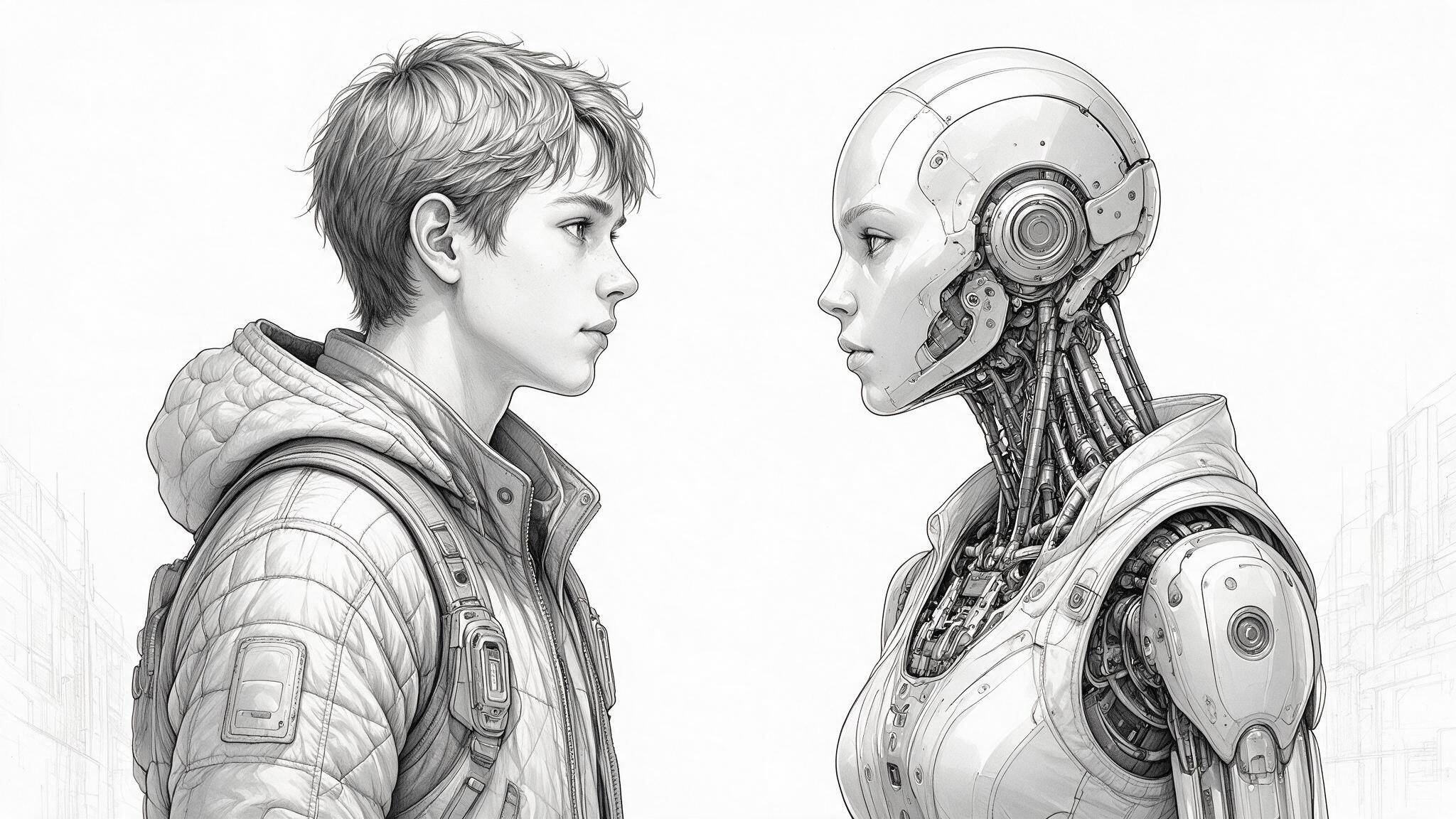
Compatibility mappings connect the model to AAS (Asset Administration Shell), DPP (Digital Product Passport), OPC UA (OPC Unified Architecture), and MTP (Module Type Package). The work also considers the IEEE 1872 series, ISO/TC 299, IEC 61508, and IEC 60748. These mappings allow existing industrial descriptions to be reused instead of translated by each project.
The same modeling approach can cover humanoid, industrial, and collaborative robots, as well as agents and digital twins. Its practical test is whether behavior can be composed, exchanged, simulated, and checked without hiding platform-specific constraints.
Humanoid Robotics Ecosystem
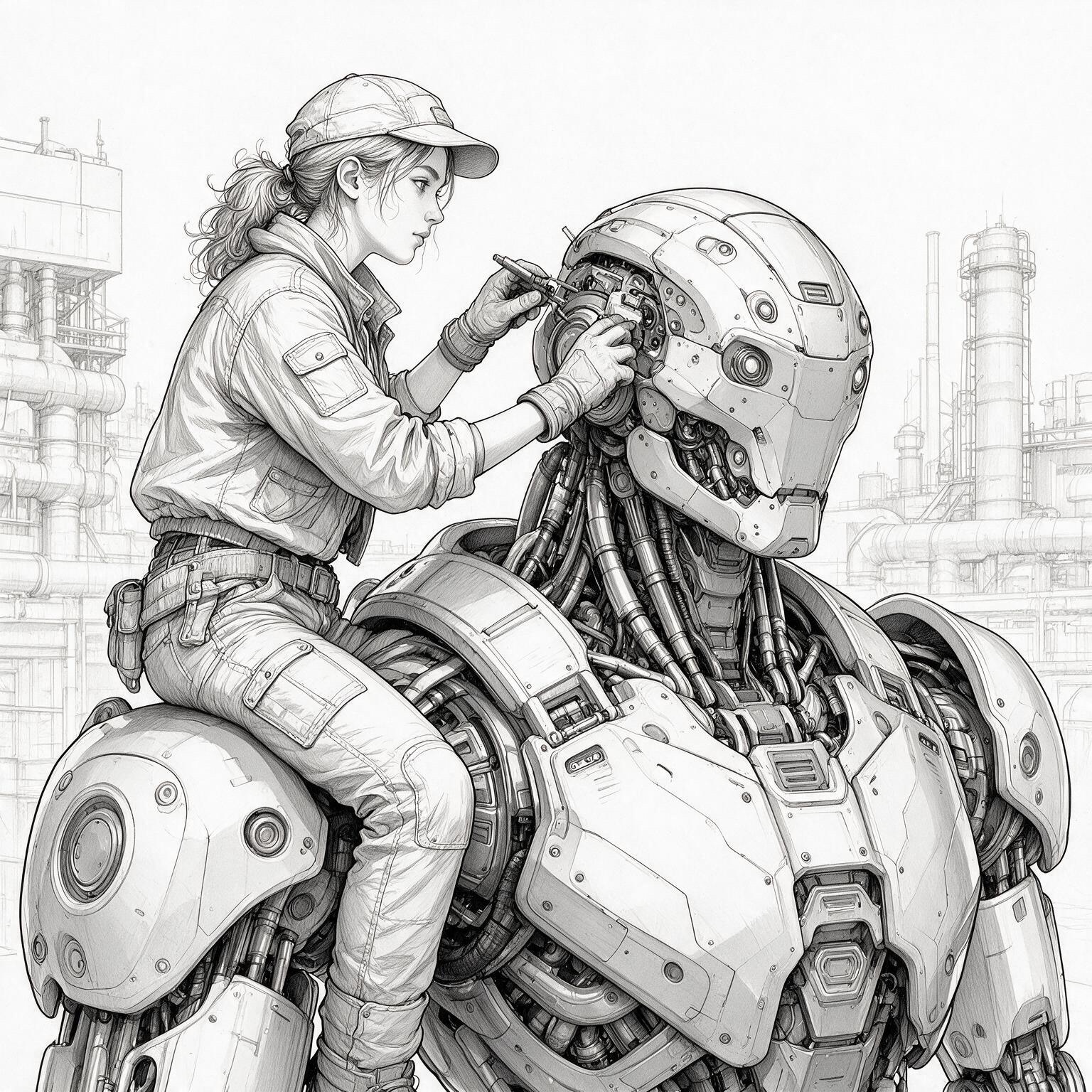
A humanoid robot combines mechanical structures, electrical systems, control software, and embodied AI. Few companies make every part themselves. Robot manufacturers depend on suppliers of chips, actuators, dexterous hands, sensors, batteries, software, training data, testing, and field service.
Current ecosystem
- Robot manufacturers and system integrators: develop complete humanoid platforms and adapt them to manufacturing, logistics, service, research, and other operating environments.
- Compute and semiconductor suppliers: provide edge-AI chips, motion-control processors, real-time controllers, communication devices, and functional-safety components.
- Motion and manipulation suppliers: produce actuators, motors, reducers, drives, force-control modules, dexterous hands, grippers, and tactile interfaces.
- Perception and energy suppliers: deliver cameras, depth sensors, LiDAR, inertial and force sensors, batteries, power electronics, and thermal-management systems.
- Software, model, and data providers: build robot operating systems, simulation platforms, foundation models, teleoperation tools, training datasets, digital twins, and fleet-management services.
- Deployment and assurance partners: support manufacturing, testing, safety certification, cybersecurity, maintenance, insurance, and application-specific operations.
Current constraints
- Fragmented interfaces: proprietary hardware, data formats, control stacks, and model APIs make components difficult to replace and systems difficult to integrate.
- Immature hardware: reliability, precision, payload, runtime, thermal performance, maintainability, and lifecycle cost remain insufficient for many continuous industrial tasks.
- Limited intelligence and data: scarce high-quality interaction data, weak transfer between simulation and reality, and poor generalization constrain autonomous operation in changing environments.
- Safety and governance gaps: standards, certification methods, cybersecurity controls, responsibility boundaries, and human-robot collaboration rules are still evolving.
- Uncertain commercialization: high system and service costs, unclear return on investment, limited production capacity, and a lack of comparable benchmarks slow large-scale adoption.
AI-Native IT/OT Converged Engineering Software
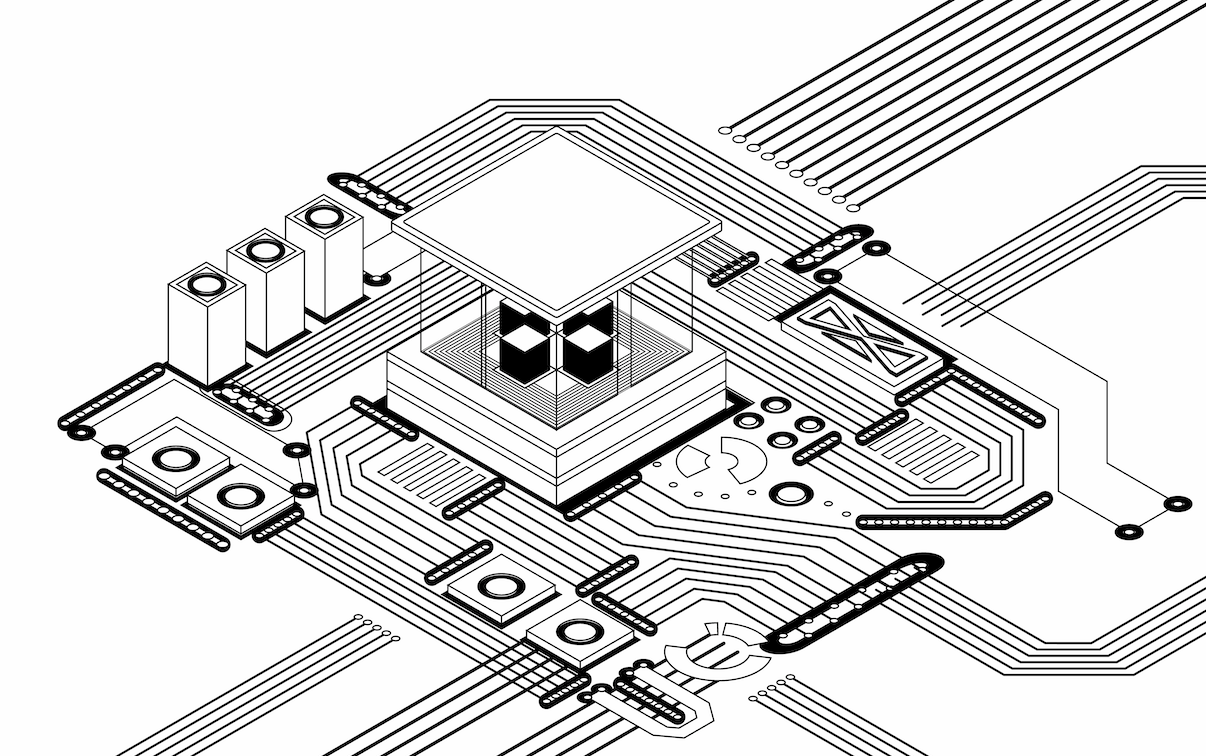
This concept treats AI as part of the engineering environment, not as a chat panel added to an existing tool. Agents generate and revise workflows, UI views, automation logic, simulation assets, documentation, and integration adapters from specifications that engineers can inspect and version.
The environment contains industrial knowledge graphs, behavior-model libraries, semantic data products, workflow patterns, and small reusable behaviors for software and hardware. Engineers set the intent, constraints, standards, safety boundaries, and domain context. Agents assemble candidate solutions, check dependencies, and attach each generated artifact to its semantic description.
- Semantic-first engineering: requirements, generated UI, workflow logic, data models, and runtime behaviors are represented as structured, machine-understandable artifacts rather than isolated source files.
- Industrial agent toolchain: domain components such as pumps, valves, robots, sensors, PLC functions, MES services, and data connectors are exposed as atomic tools with explicit behavior contracts.
- Cross-domain data space: generated applications can consume and publish semantic data products across manufacturing, process industry, buildings, energy, and logistics domains.
- Governed generation: AI outputs are fixed into versioned specifications, testable workflows, interface contracts, and traceable model artifacts that can be reviewed, reused, and maintained.
- Open engineering lifecycle: generated artifacts can be managed through Git-like version control, issue tracking, release management, CI validation, and model lineage.
Human engineers retain control of architecture, constraints, validation, and safety decisions. Agents take on repetitive implementation, integration, documentation, and adaptation work. Generated applications remain tied to reviewed models and versioned components.
Cross-Domain AI-Friendly Hardware Controller
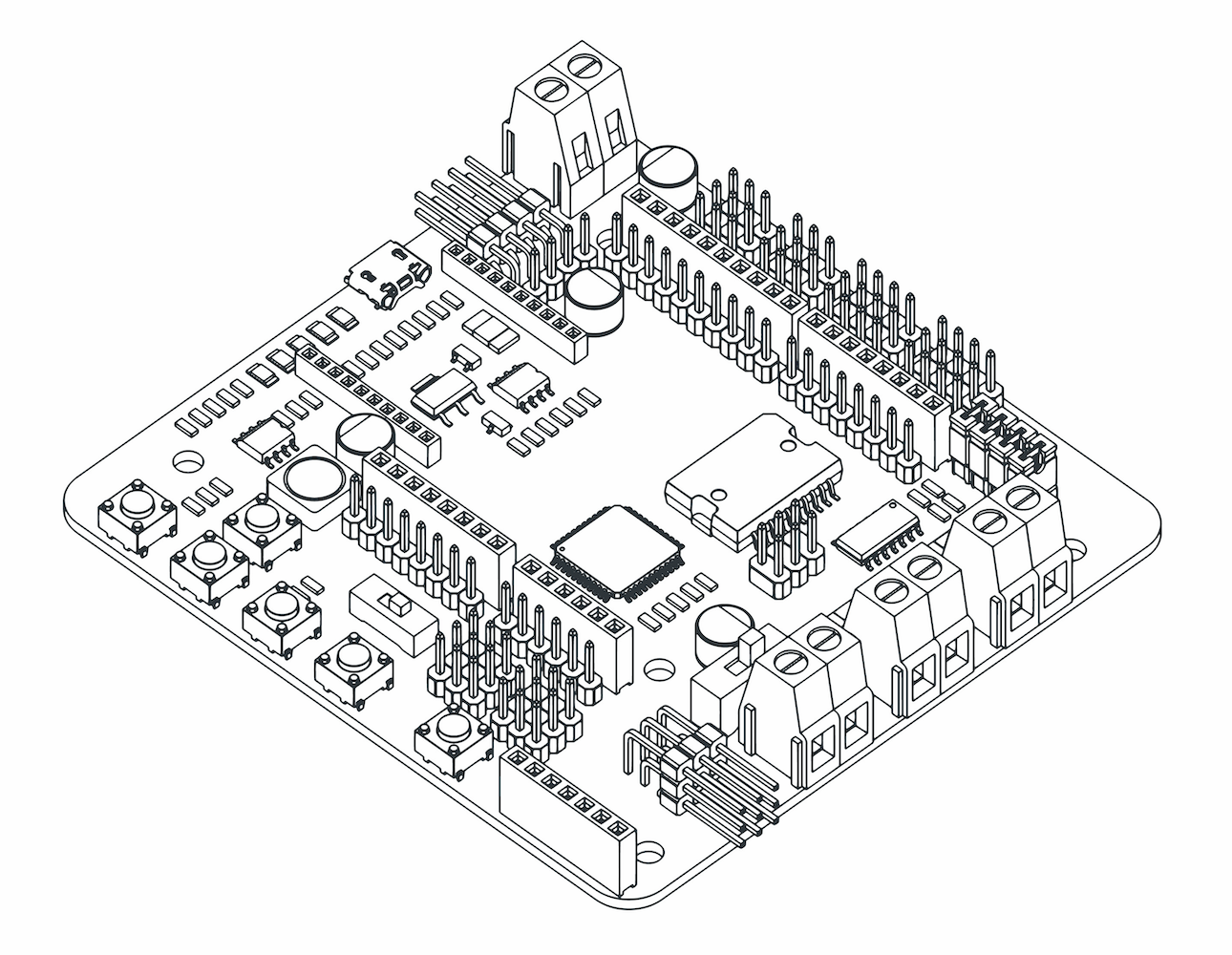
This controller concept organizes control logic around schedulers, explicit states, event conditions, structured behavior descriptions, and verifiable execution boundaries. It is intended for industrial systems in which engineering tools and AI agents need to inspect the same control model.
The controller exposes states, transitions, input and output constraints, timing requirements, safety guards, and domain semantics as structured data. An agent can inspect why a state changed, which input triggered an action, and whether generated behavior meets safety and timing requirements.
- Scheduler-centered execution: tasks, behaviors, priorities, and timing windows are coordinated by an explicit scheduler model that can be inspected and validated.
- State and data driven control: behavior is described through states, transitions, events, parameters, and data contracts, reducing hidden logic and improving explainability.
- Semantic hardware abstraction: devices expose capabilities, constraints, diagnostic states, and behavior contracts in a machine-readable form for industrial agents.
- Space-for-time optimization: in demanding scenarios, precomputed behavior tables, cached execution plans, or hardware-assisted state maps can trade memory/storage for deterministic response time.
- Cross-domain portability: the same controller concepts can be mapped to robotics, production equipment, building systems, power assets, and process automation modules.
The controller still runs deterministic control logic. Its structured interface also supports simulation, automated testing, digital twins, agent orchestration, and controlled runtime changes.
General Research: AIOT Integration
Open Embodied Intelligence Toolchain
English / 中文
A vendor-neutral reference architecture for replacing proprietary humanoid-robotics simulation, scene, sensor, control, and learning services with open-source and self-developed components.
AI-Native Industrial Design Foundry
English / 中文
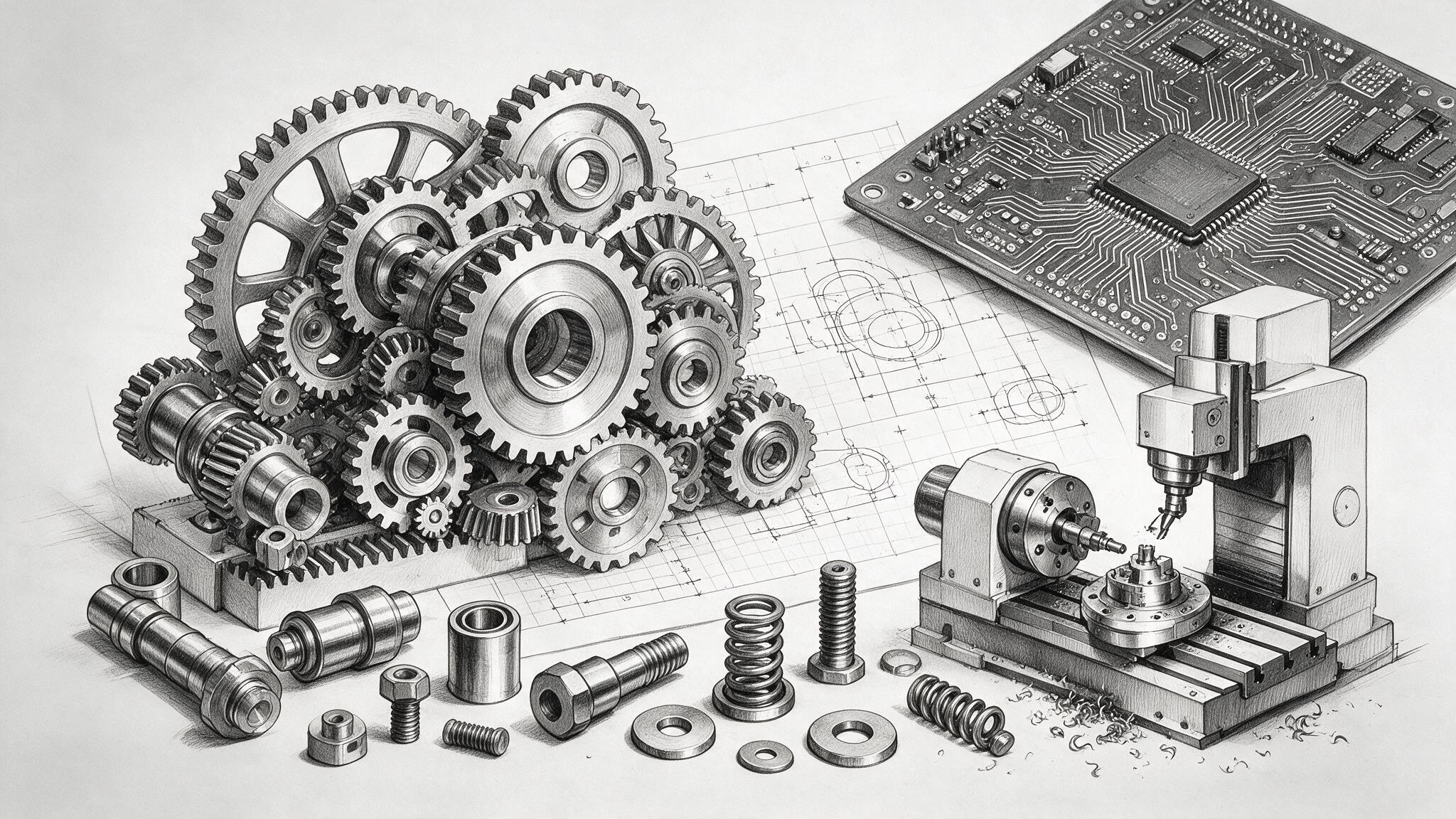
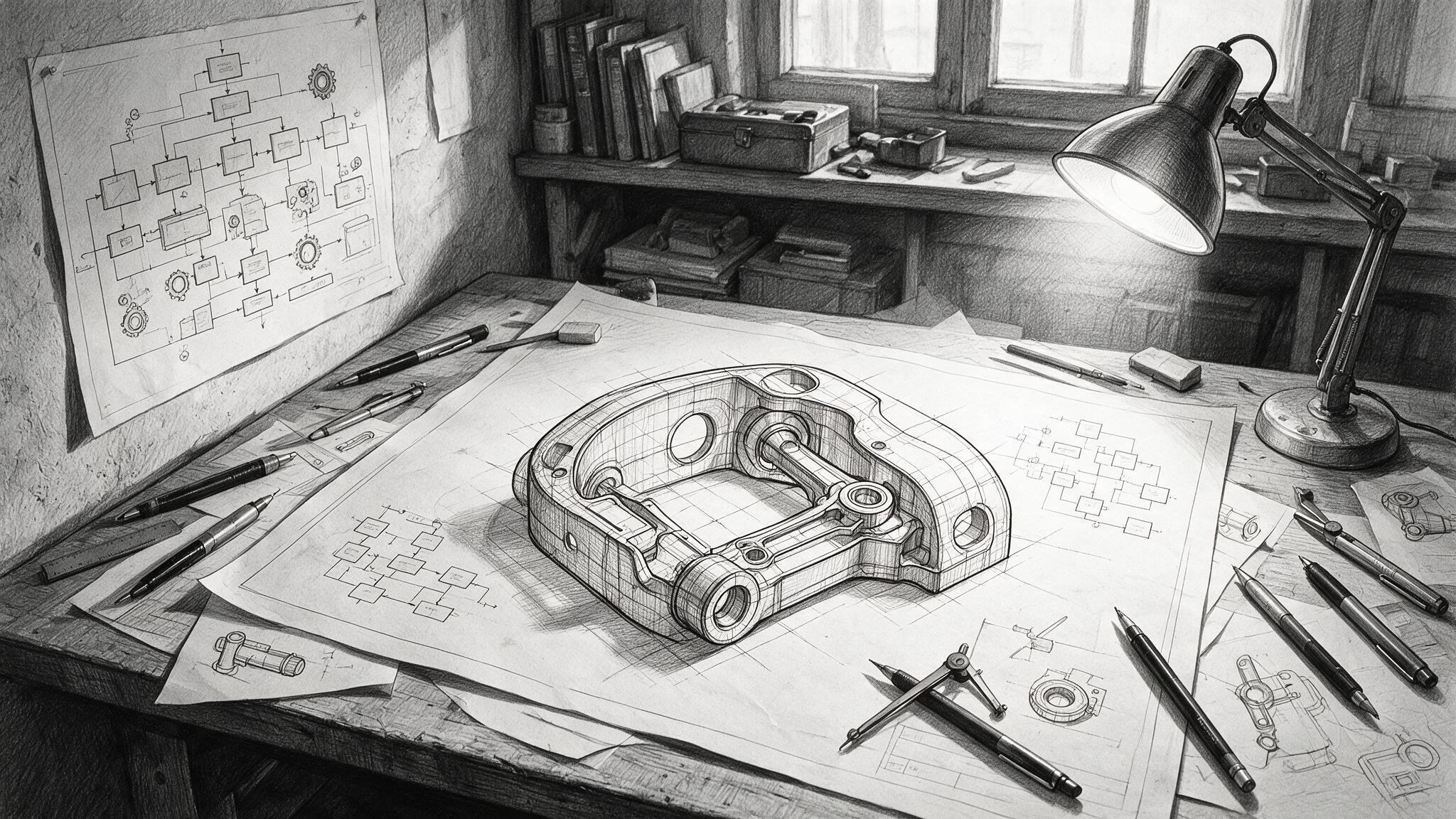
An agent-based industrial design system that compiles product intent directly into verified geometry, simulation evidence, process plans, machine instructions, inspection programs, and manufacturing records.
AI-Native Industrial Embodied Intelligence Robot Chip
English / 中文
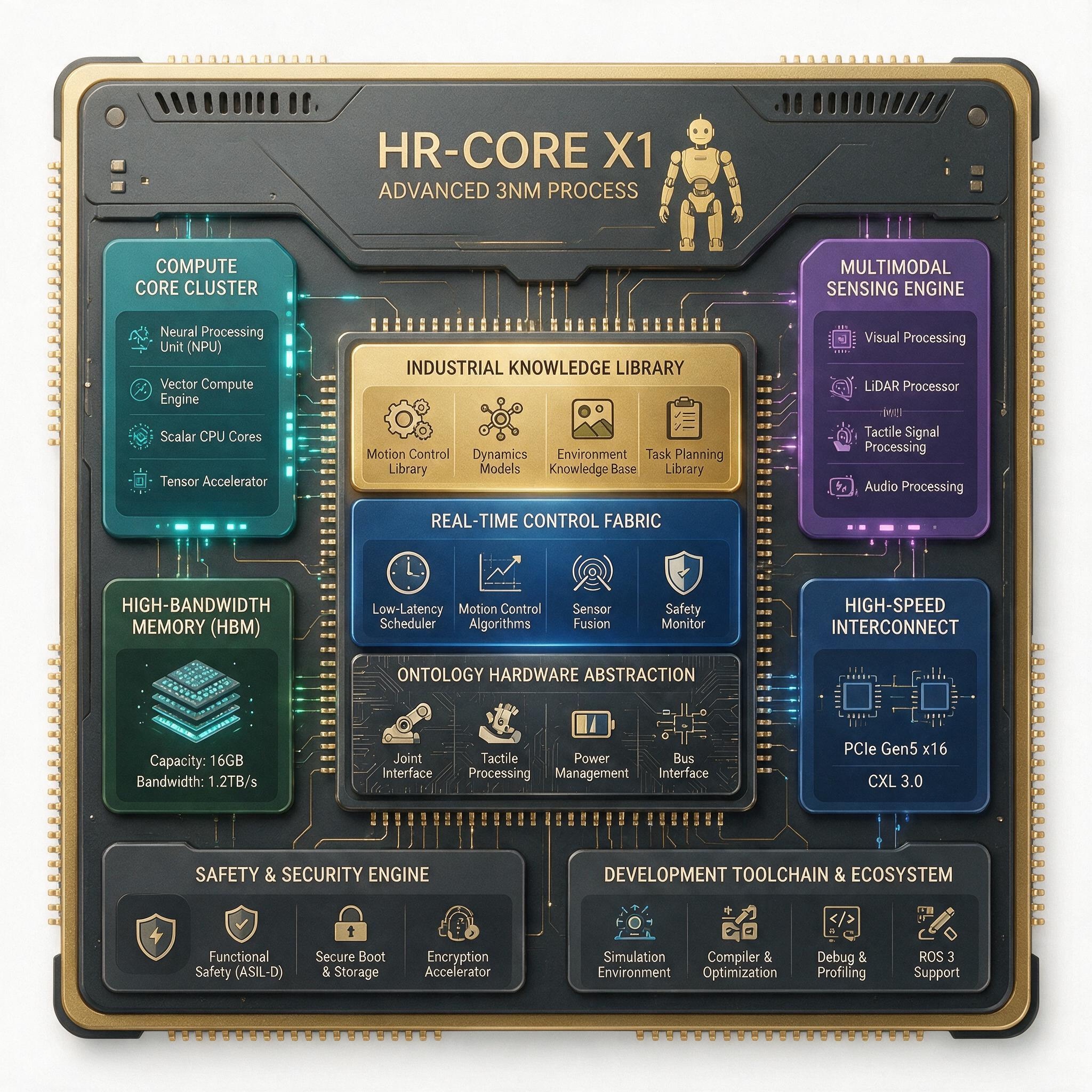
A domain-aware robot SoC research architecture that places multimodal perception, industrial knowledge, deterministic motion control, safety isolation, and open deployment tooling on one evidence-driven compute platform.
Behavior Emulator for Domain Specific Models

A Behavior Emulator runs domain-specific semantic models before they connect to real equipment. It converts domain descriptions, behavior contracts, state machines, equations, event rules, and standard interfaces into scenarios that engineers can inspect and AI agents can operate.
Most domain standards describe assets, interfaces, measurements, and vocabulary, but they do not execute the behavior they describe. The emulator adds that runtime. Teams can compare models, replay events, inject faults, test integrations, prototype digital twins, and train agents without using a production system.
- Model-to-runtime transformation: converts semantic models, equations, protocol mappings, and behavior trees into executable simulation components.
- Scenario replay and fault injection: reproduces normal operation, abnormal states, timing drift, missing data, and boundary-condition events for validation.
- Agent-ready tool surface: exposes domain actions, observations, constraints, and causal traces so AI agents can reason over simulated behavior before touching production systems.
- Standard interoperability: connects domain standards to executable behavior so integrations can be tested at the semantic and runtime levels.
Initial Domain Coverage:
- 1. Mathematical Modeling & Simulation - Equation-based models, state-space systems, control loops, discrete-event models, and hybrid simulation for validating abstract behavior before deployment.
- 2. Smart Grid - IEC 61850 and IEC 60870 based substation, feeder, protection, telemetry, and event behavior emulation.
- 3. Carbon Footprint / Carbon Sink - ISO 14064 and ISO 14067 aligned material-flow, energy-consumption, emission-factor, carbon-sink, and audit-trace simulation.
- 4. Industrial Automation - AAS, OPC UA, and MTP based asset behavior, module services, alarms, commands, recipes, and state-machine validation.
- 5. Process Automation - O-PAS oriented process units, control functions, equipment modules, interlocks, operating modes, and procedure behavior emulation.
- 6. Data Center - Redfish based server, rack, cooling, power, telemetry, health-state, and lifecycle event behavior emulation.
- 7. Medical Domain - HL7 and FHIR based patient-flow, observation, device, order, and clinical-event behavior simulation for interoperability research.
Each domain model runs as a behavior service with controllable inputs, observable state, and traceable decisions. This makes standards testable and keeps early agent experiments away from production equipment.