Planet of Mimics (PoM) is my personal site for publicly shareable research and projects. It is for Siemens colleagues, external collaborators, and anyone interested in my work. The site contains research material and software prototype demonstrations. Employer-related information is de-identified for compliance and security.
The Name
The term "mimics" comes from Michael Crichton's science-fiction novel Prey. In the novel, self-evolving nanobots escape laboratory control, become a predatory swarm, and imitate other objects.
The qualities I take from the name are:
- 1. Realism in both form and behavior.
- 2. Adaptation through accumulated human knowledge and technology.
- 3. AI-driven intelligence.
The name connects to my work on Dynamic Behavior Modeling (DBM). DBM explores entities that model behavior and adjust to changes in their environment, echoing the fictional mimics without copying them.
I use the planet metaphor for a platform where related models, tools, and prototypes can coexist and develop together.
Language
English is the site's primary language so the work can reach an international audience. I do not maintain full multilingual versions. My native language is Mandarin Chinese, so please excuse any imperfect phrasing.
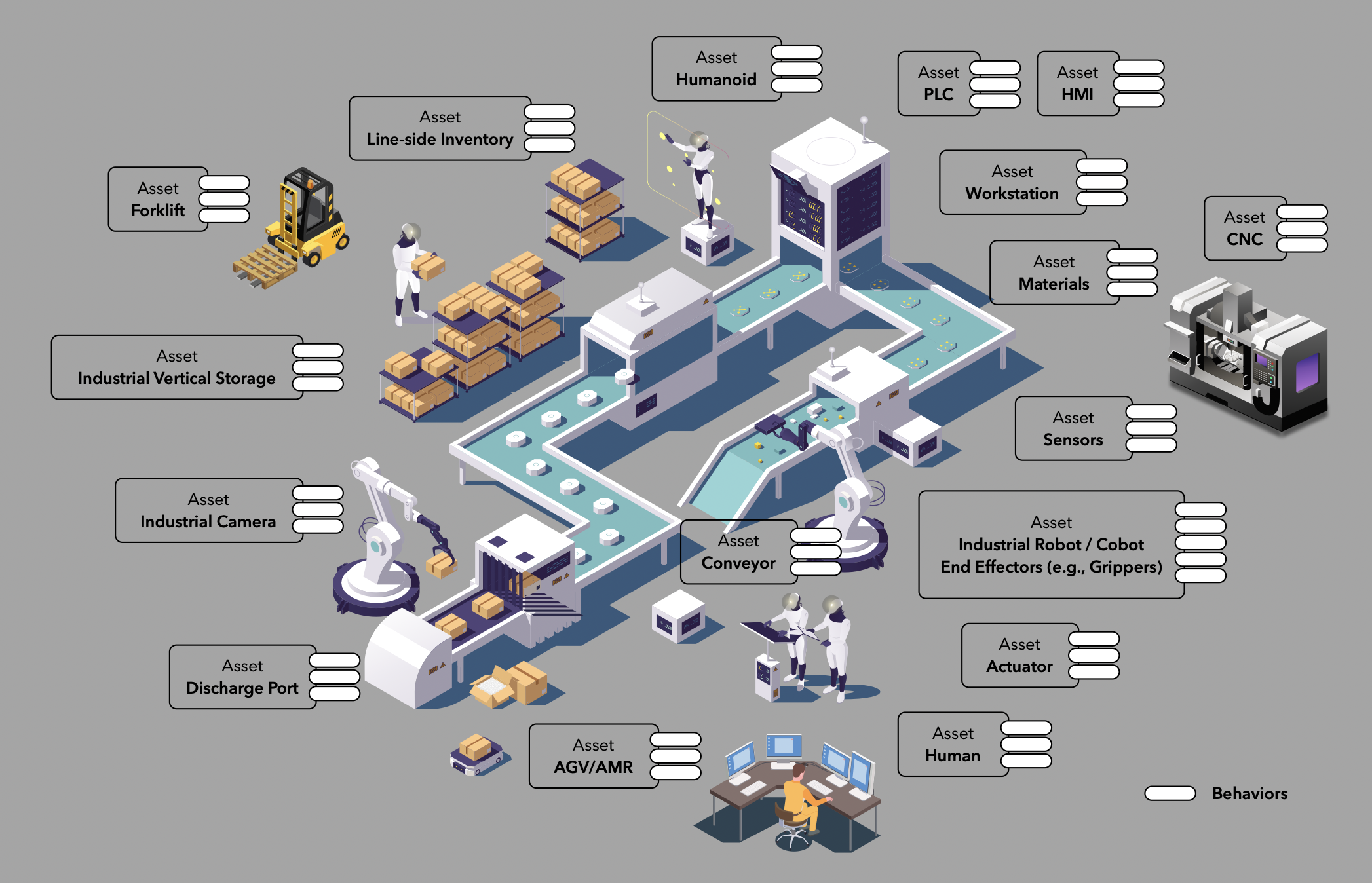
AI is advancing quickly while industrial systems remain unevenly digitized and difficult to integrate. Many factories use a growing mix of industrial software and controllers, yet their software, hardware, and operating processes remain fragmented. Few sites reach the level of integration seen at Siemens' Amberg plant. OT software engineering still trails common IT practices by decades. AI cannot erase those underlying gaps on its own.
AI may eventually interpret much of IT. OT presents a harder problem, especially when AI must influence physical processes. The main constraints include:
- OT data and domain knowledge are difficult to obtain and prepare for learning.
- Probabilistic AI behavior conflicts with OT requirements for precision, real-time response, and safety.
- OT remains fragmented and weakly standardized. Interoperability is difficult, and large closed systems remain common.
My research develops shared semantic models that people and AI systems can use across IT and OT. These models describe physical and virtual assets in one data space. The associated tools, runtimes, and agents aim to make that data usable in engineering workflows and machine learning systems.
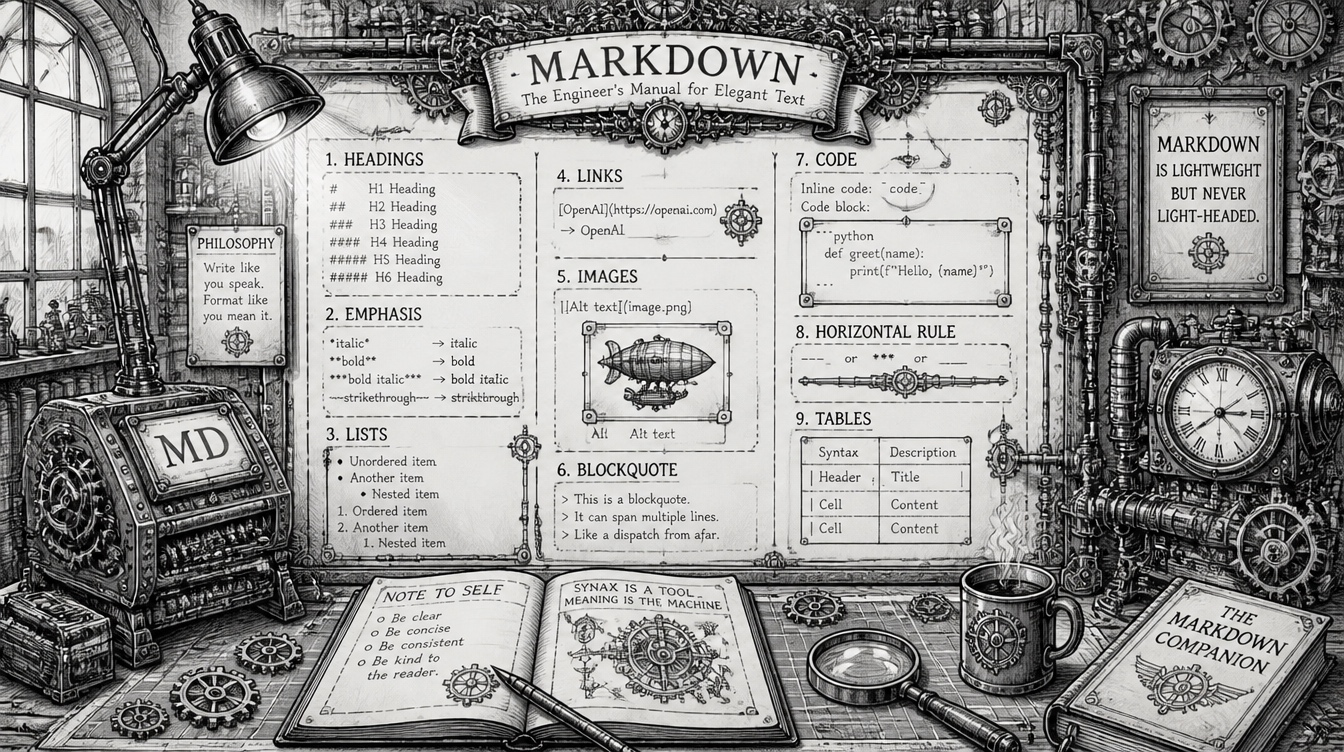
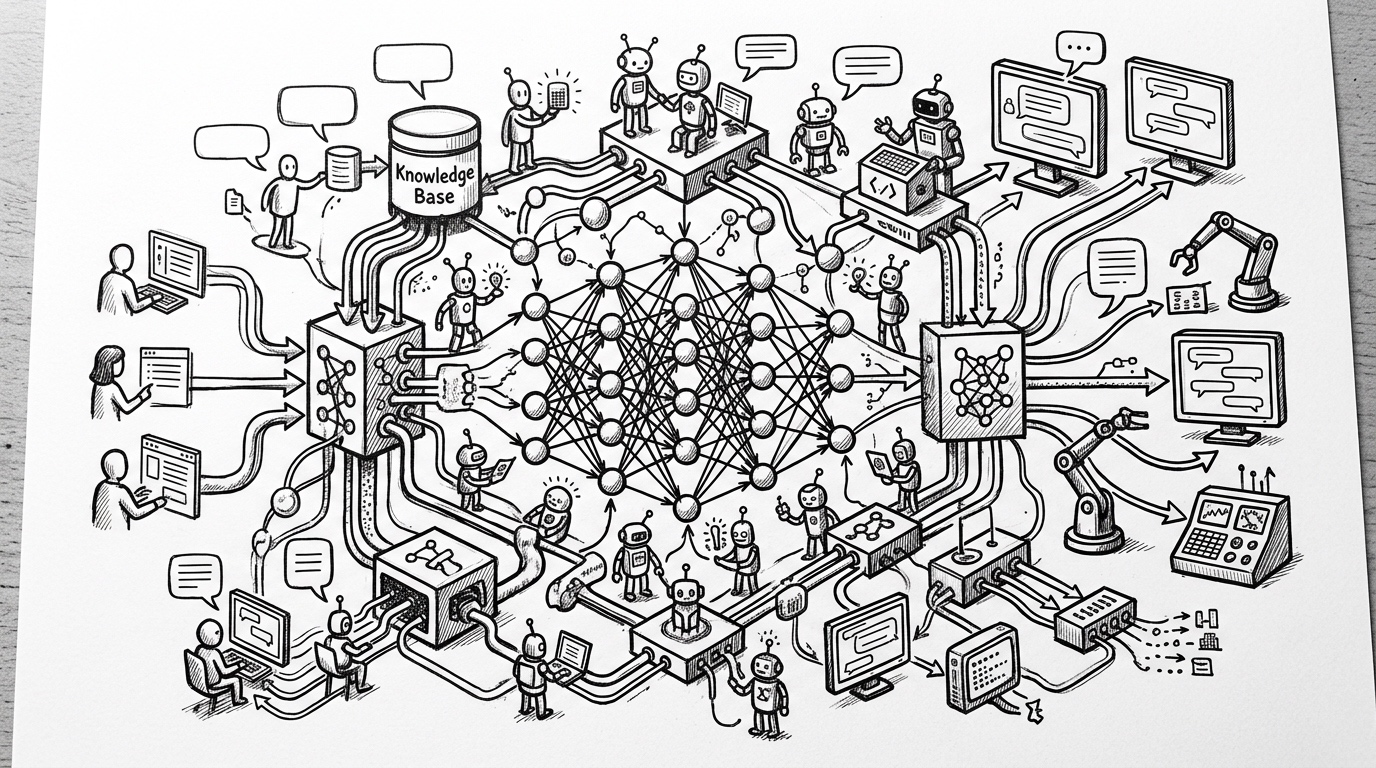
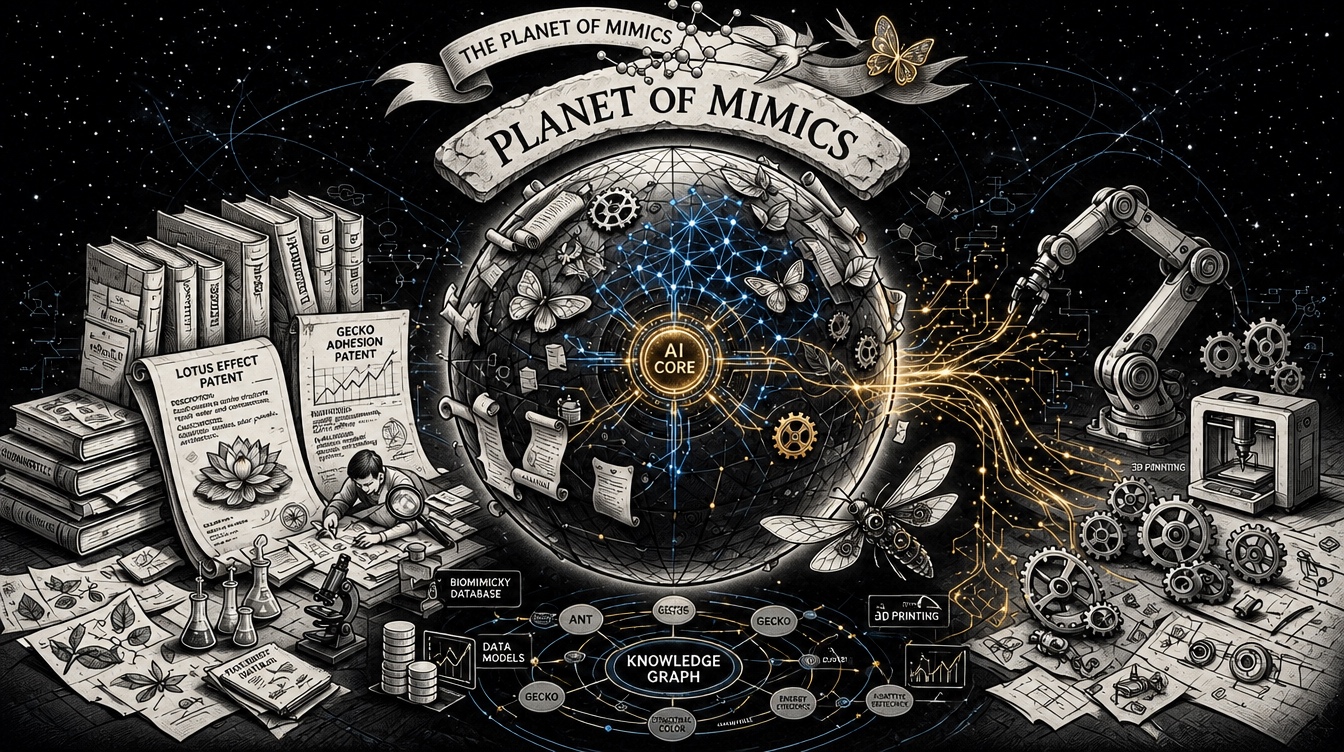
A visual workspace for semantic process design, AI/IT/OT integration, and executable workflows.
-
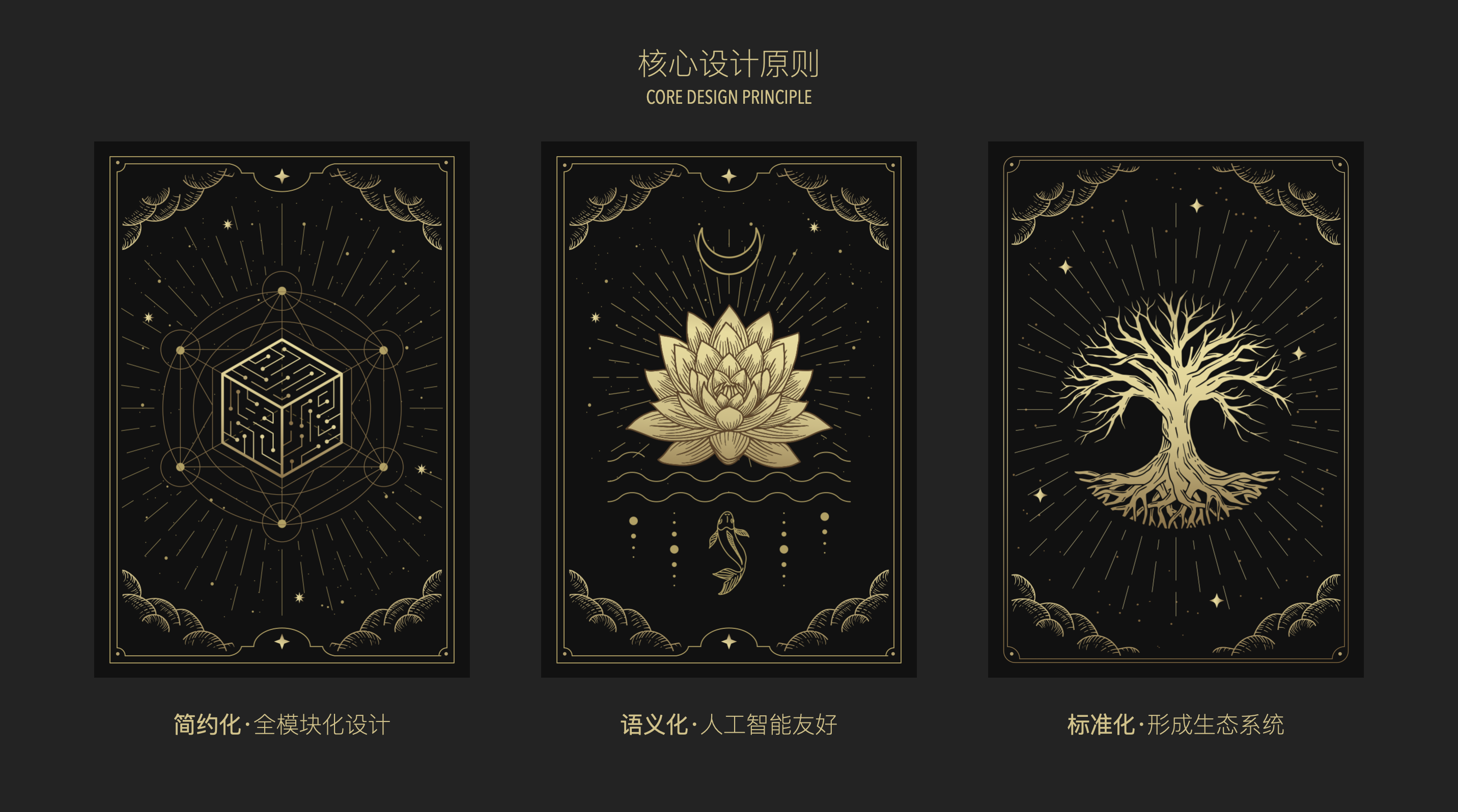
1. Simplicity · Fully Modular Design
Simplicity keeps the interface and system structure understandable. It removes unnecessary elements so users can find and use what they need. A modular system is made of replaceable units with clear interfaces and few dependencies. Teams can combine, swap, and upgrade those units without changing the whole system.
-
2. Semantic Design · AI-Friendly
Semantic design gives data, interfaces, and interactions explicit structured meaning. AI systems can then parse labels, interface descriptions, and behavior definitions as inputs for learning and decision-making. People benefit as well: clear semantics make content easier to interpret and interfaces easier to extend. -
3. Standardization · Building an Ecosystem
Standardization gives teams and vendors shared interfaces, protocols, naming conventions, and quality requirements. Products built against those contracts can interoperate without a custom integration for every pair of systems. Developers gain a stable extension point, while users encounter consistent behavior across products in the same ecosystem.
- License: CC BY-NC-SA 4.0
- Version & Revision: 2.0 Rev 1
- Encoding: UTF-8
- Namespace: Website.Static.Research.PoM

I create most material on this site, including text, images, animations, design elements, code, and online prototypes.
I use AI tools for some content, mainly images, animations, and prototype programming. I retouch or redesign generated images before publication. AI-generated material can be inaccurate or incomplete, so I disclose its use and welcome corrections.
Siemens visitors may share content within Siemens. For technical or business discussions, email me or contact me through MS Teams. If you add me on WeChat, please identify yourself in the message.
External visitors who share diagrams, articles, source code, or other material from this site should credit the source and domain.
Unless stated otherwise, source code on this site is released under the MIT license. Original articles and architectural diagrams are released under CC BY-NC-SA 4.0. Some architecture diagrams and documents have already been disclosed through patent filings.