-
1. WHAT is IT/OT Integration
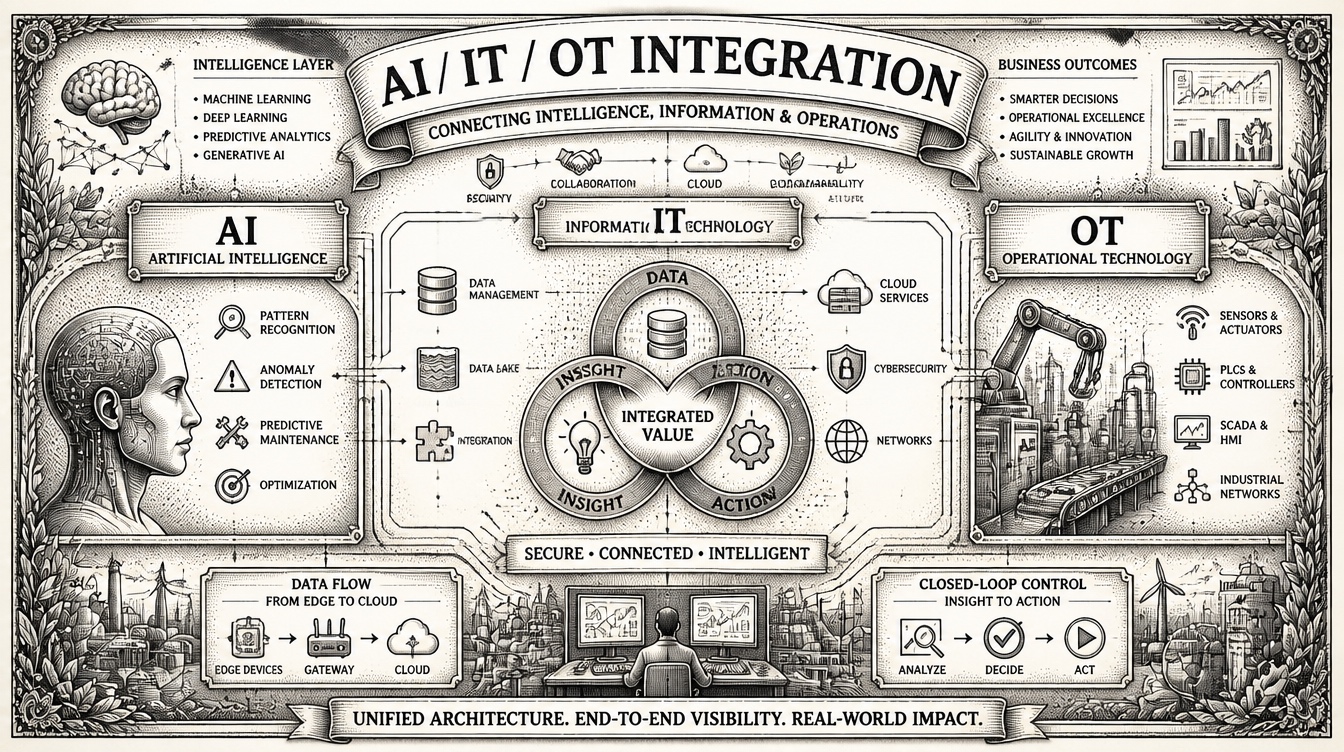
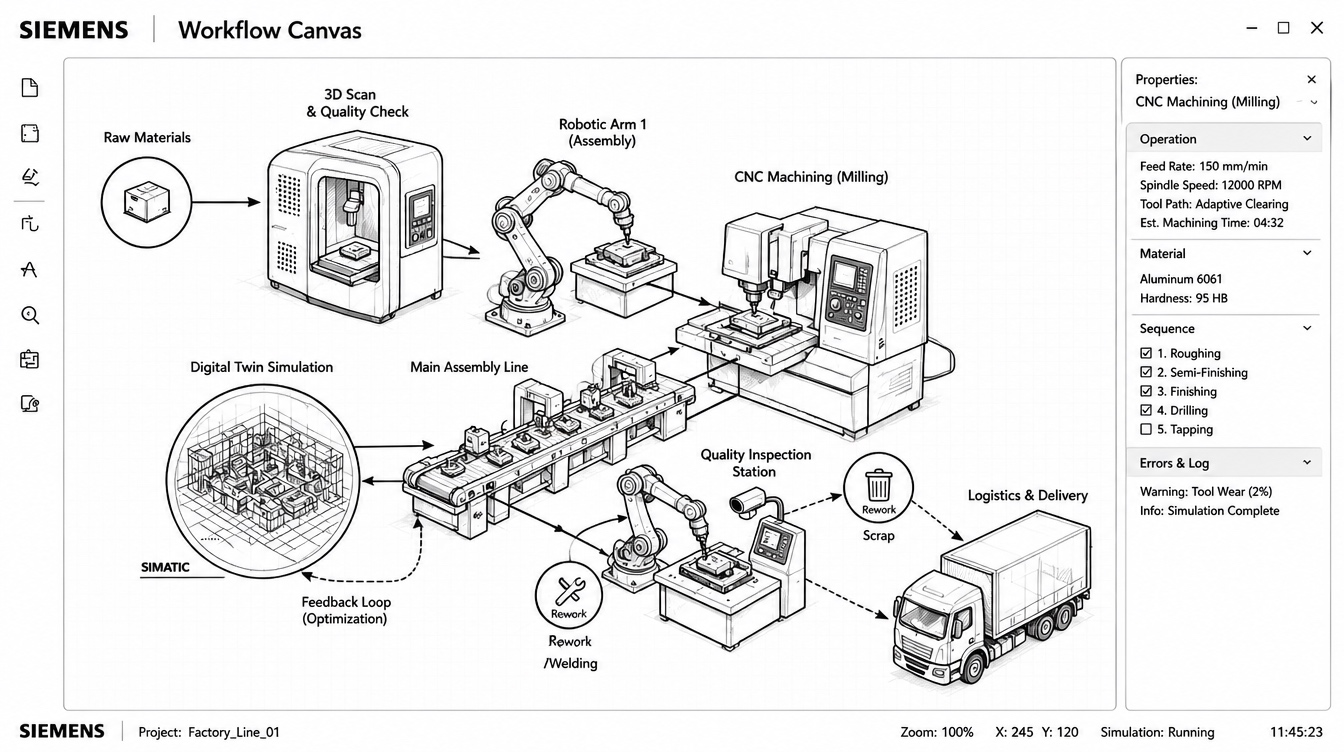
IT / OT integration is the convergence of Information Technology (IT) with Operational Technology (OT). IT technologies include cloud and web platforms and IT systems, e.g., for ERP and PLM. OT technologies comprise machines and devices, e.g., IPCs, controllers, sensors, and actuators, as well as control systems like MOM, DCS, SCADA and HMI. While IT technologies enable openness, flexibility, and scalability, OT technologies address qualities like real-time, determinism, and reliability. IT / OT integration aims at utilizing and retaining the strengths of both worlds while allowing their seamless integration in application workflows that crosscut IT and OT domain boundaries. Hence, IT / OT integration enables the digital transformation of enterprises, supports an increase of their operational efficiency and transparency, and contributes to optimizing their production and business processes.
-
2. WHY is IT/OT Integration important for Siemens?
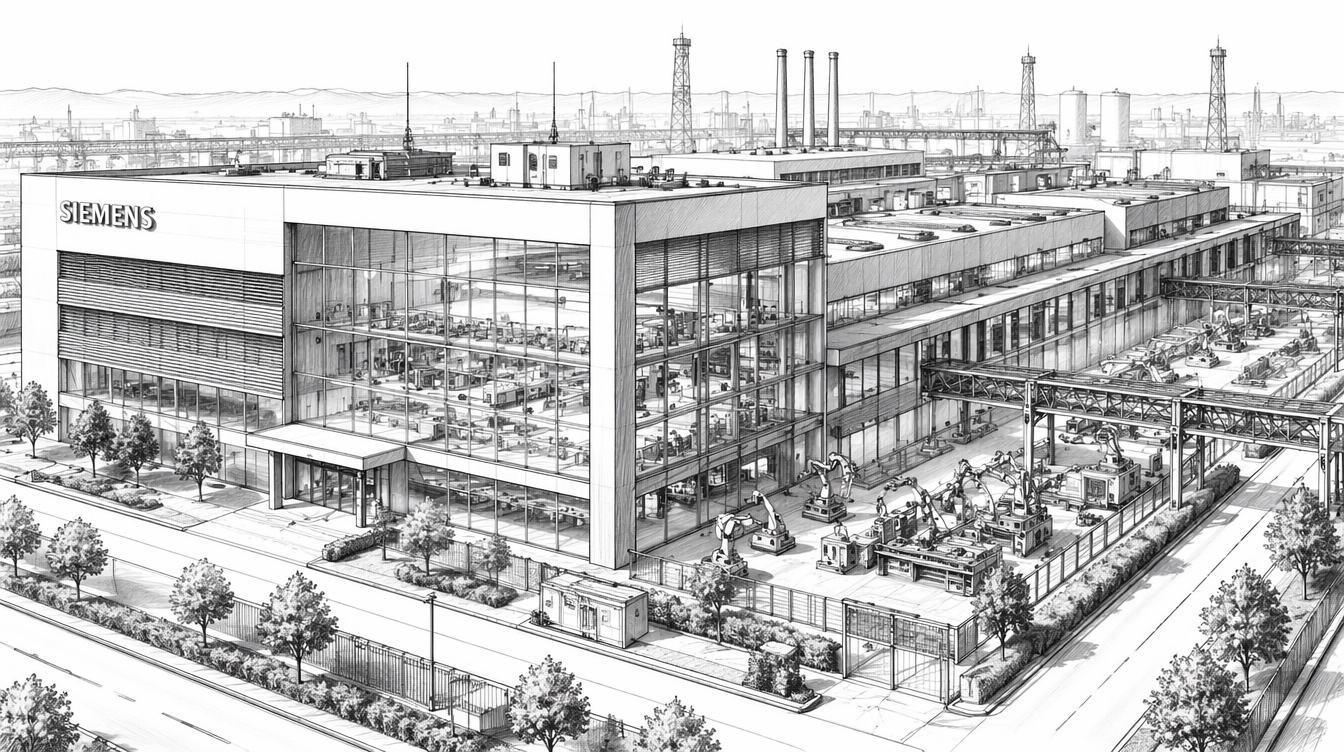
IT / OT integration is central to Siemens' digitalization strategy because the company has domain expertise and products in both fields. Combining these capabilities lets Siemens deliver unified systems instead of asking customers to connect separate automation and IT products. This can distinguish its portfolio from those of traditional automation vendors and IT-only suppliers, particularly for customers that want one accountable provider across the system lifecycle.
-
3. AI/IT/OT Integration
Digital integration is not only for IT and OT software and hardware, nor only for human engineers to understand; it is also for AI agents, enabling AI to comprehend the model, structure and behavior of industrial systems.