AI/IT/OT Domain Specification Playbook
From Industrial Domain Knowledge to Executable Semantic Contracts

Domain specification is the translation layer between industrial reality and executable digital models. It defines how assets, events, constraints, services, topology, lifecycle states, safety envelopes, and business policies are represented so that AI systems, IT platforms, and OT control systems can reason over the same production context.

A mature domain model is not a list of equipment names. It is a professional operating grammar: what exists, where it is, what it can do, what data it emits, what constraints govern it, how it fails, how it recovers, which systems own it, and how an AI agent may safely use it.

Core design rule

Separate stable domain semantics from volatile vendor protocols, then bind both through governed connector profiles.

Reusable unit

Resource Description + Function Block + Event Contract + Constraint Model + Observability Schema.

Domain ontology
What

Assets, places, materials, products, energy nodes, vehicles, instruments, documents, and data products.

Behavior contracts
How

Dispatch, inspect, charge, filter, dose, sample, move, allocate, synchronize, validate, report, and recover.

Runtime context
When

Events, state transitions, time windows, confidence, safety mode, maintenance state, and replayable traces.

Governance
Why

Version, ownership, authority, compliance evidence, access control, approval state, and audit boundary.

Domain Modeling Framework and Cross-Domain Capability Matrix

The modeling method starts from the operational truth of a domain rather than from disconnected tables or vendor tags. Each domain is treated as an executable system with resources, behaviors, state transitions, data contracts, AI decision surfaces, and governance boundaries that must remain coherent across enterprise platforms and field execution.

This page therefore uses one shared framework for every industry dossier below: first define the semantic shape of the domain, then compare how those semantics express different capabilities across manufacturing, logistics, energy, process, laboratory, building, and data-center environments.

Design principle

Model stable industrial meaning once, bind volatile protocol and system specifics through governed execution contracts, and keep AI reasoning inside explicit operational and compliance boundaries.

Methodology Lenses

Every domain card below is expanded through the same five analytical lenses so cross-domain interoperability remains comparable, composable, and implementation-ready.

Resource Lens

Equipment, topology, location, product, material, energy carrier, document, and responsible organization.

Behavior Lens

Executable capability, command contract, state machine, failure semantics, exception recovery, and manual override.

Data Lens

Signals, events, units, sampling rules, context relationships, data quality flags, and lineage obligations.

AI Lens

Prediction, planning, recommendation, graph reasoning, retrieval context, and workflow tool boundary.

Governance Lens

Ownership, safety constraint, compliance rule, lifecycle version, permission scope, and audit evidence.

Practical Output

Resource description, function block, event contract, constraint model, observability schema, and controlled action surface.

Capability Matrix

The same modeling grammar manifests differently by industry. The matrix below shows how a shared semantic framework maps into the concrete capability surfaces that matter in different operational domains.

Capability Discrete / Logistics Energy / Carbon Process / Lab Building / Data Center
Asset modeling Line, station, robot, AGV, dock, carrier, buffer DER, storage, meter, feeder, charger, factor, reporting boundary Unit, loop, valve, sample, instrument, method, utility system Room, AHU, rack, circuit, sensor, thermal zone, service dependency
Behavior orchestration Recipe, routing, inspection, reservation, recovery, handoff Dispatch, curtailment, charging, allocation, verification, settlement Dose, filter, sample, validate, isolate, resume, approve Condition, cool, fail over, isolate, optimize, maintain, authorize override
AI augmentation Quality prediction, line balancing, ETA reasoning, task planning Forecast fusion, dispatch optimization, footprint reasoning, anomaly triage Root-cause support, protocol recommendation, deviation analysis, evidence summarization Energy optimization, fault detection, workload placement, capacity planning
Governance Safety, changeover, SLA, vendor boundary, traceability evidence Grid code, tariff, carbon boundary, supplier evidence, auditability Compliance limit, calibration, chain-of-custody, procedure version control Comfort, availability, cyber zone, resilience policy, sustainability KPI
Software Defined Domain Atlas

The cards below now use a blog-style discovery layout: a searchable domain atlas with industry dossiers behind each card. Search can target industries, core subsystems, data contracts, IT/OT pain points, governance concerns, and AI opportunities. Each detail modal expands beyond a marketing summary into a system-level view of architecture, operational semantics, and integration friction.

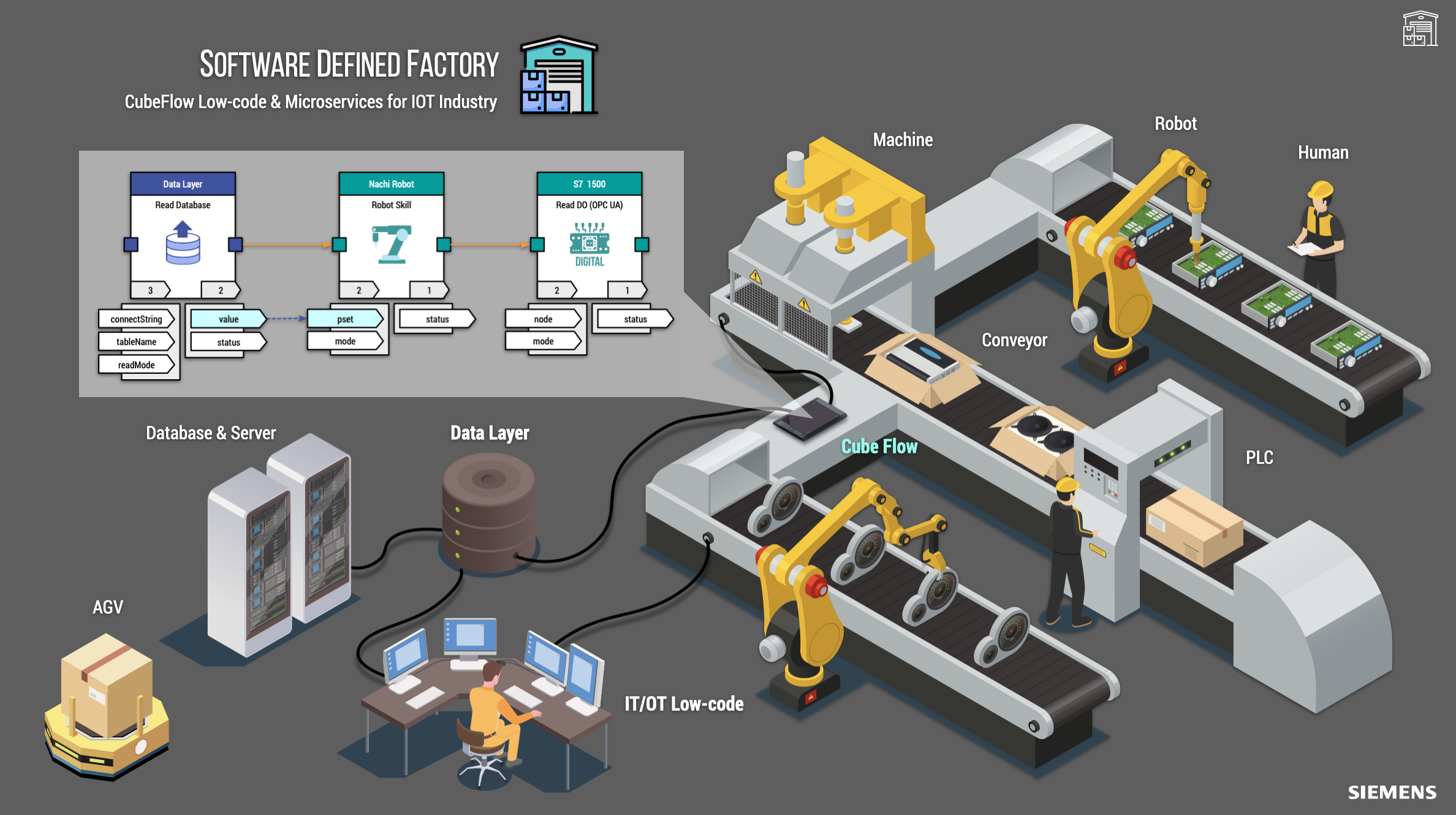
Software Defined Factory
DiscreteMES + PLCQuality

The factory domain is about reconfigurable production, where product flow, machine capability, recipe state, safety envelopes, quality gates, and exception recovery must be modeled as one operational contract.

  • System core: plant, area, line, cell, station, robot, fixture, tool, carrier, buffer, inspection device.
  • Execution logic: dispatch, clamp, process, inspect, transfer, changeover, reject, rework, pause, recover.
  • High-value problems: line balancing, traceability, bottleneck diagnosis, recipe governance, virtual commissioning.
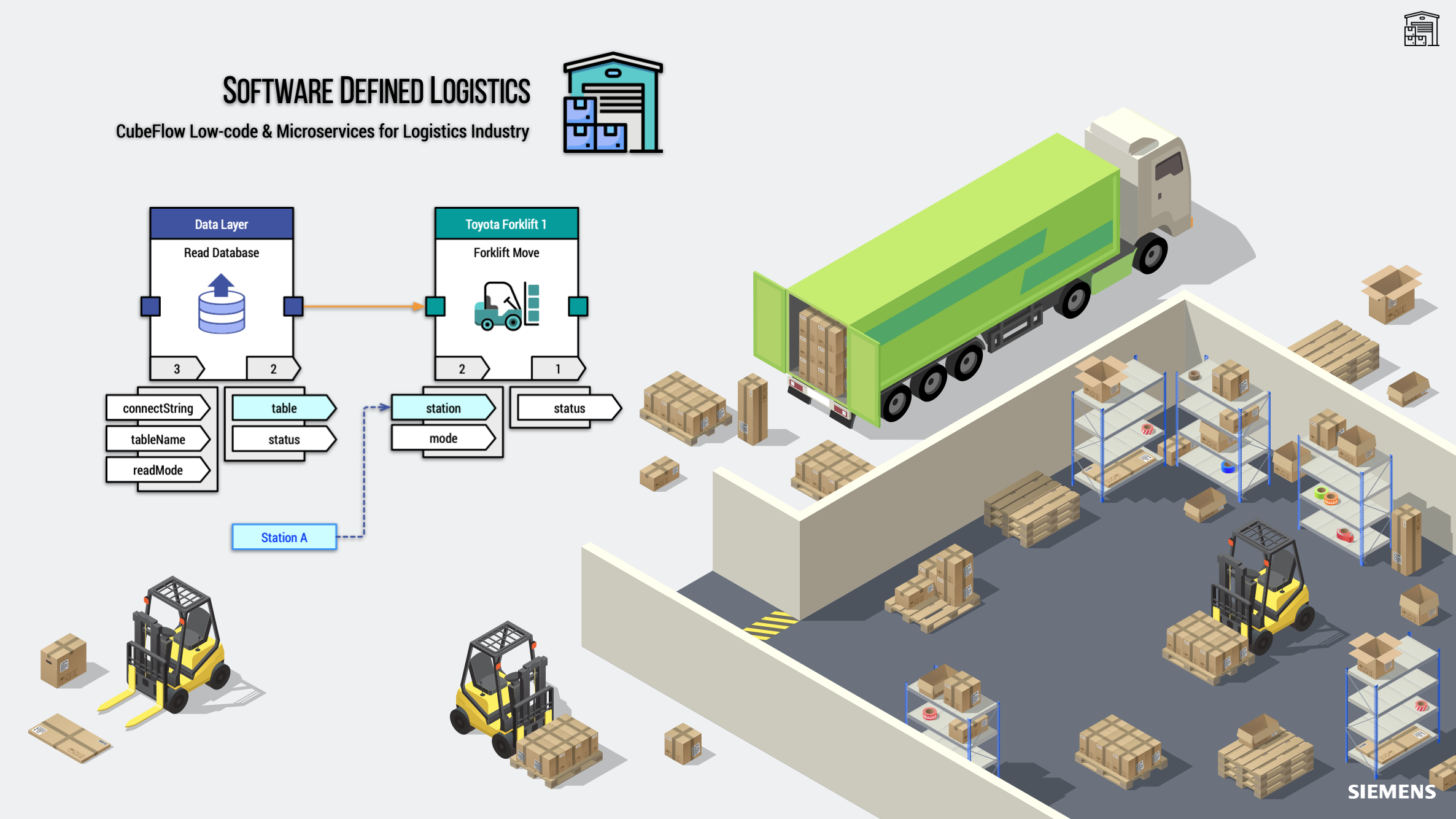
Software Defined Logistics
WarehouseFleetRouting

Logistics domain modeling normalizes topology, route reservation, order lifecycle, load identity, safety zones, and multi-vendor fleet semantics so execution is not trapped inside one OEM stack.

  • System core: node, edge, zone, dock, buffer, charger, elevator, restricted area, order, load unit.
  • Execution logic: issue, accept, reserve, reroute, block, load, deliver, fail, recover, reconcile.
  • High-value problems: congestion prediction, deadlock prevention, ETA reasoning, cross-fleet dispatch.
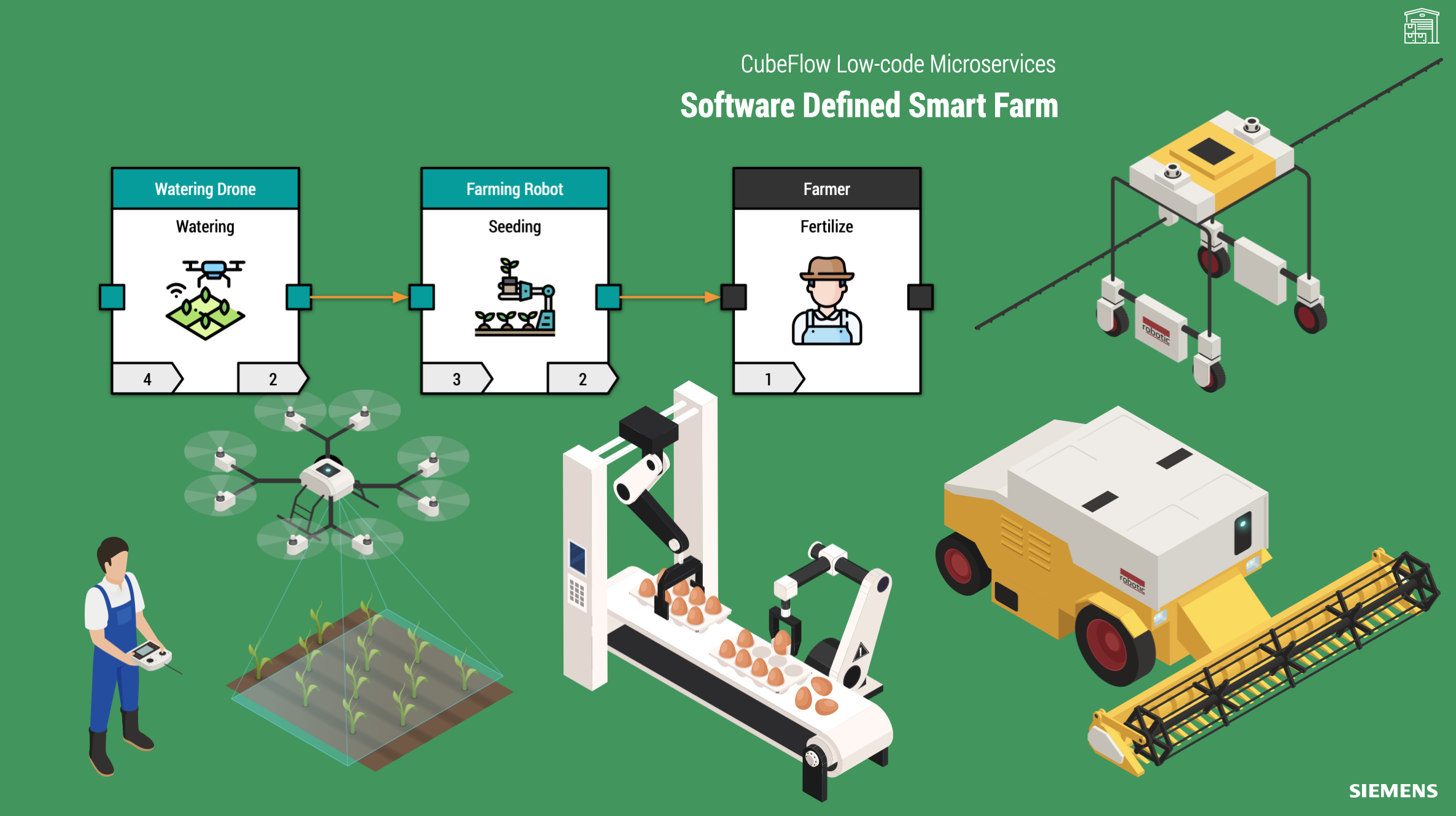
Software Defined Smart Farm
AgronomyWaterYield

Smart farming couples biological growth with automation, so the model must represent fields, greenhouse zones, crop stages, weather, irrigation assets, nutrients, labor, and agronomic policy in one timeline.

  • System core: field, greenhouse, crop batch, irrigation loop, nutrient source, sensor mesh, labor activity.
  • Execution logic: irrigate, shade, ventilate, dose, harvest, inspect, forecast, allocate water.
  • High-value problems: yield prediction, disease scoring, water optimization, resilience to weather variance.
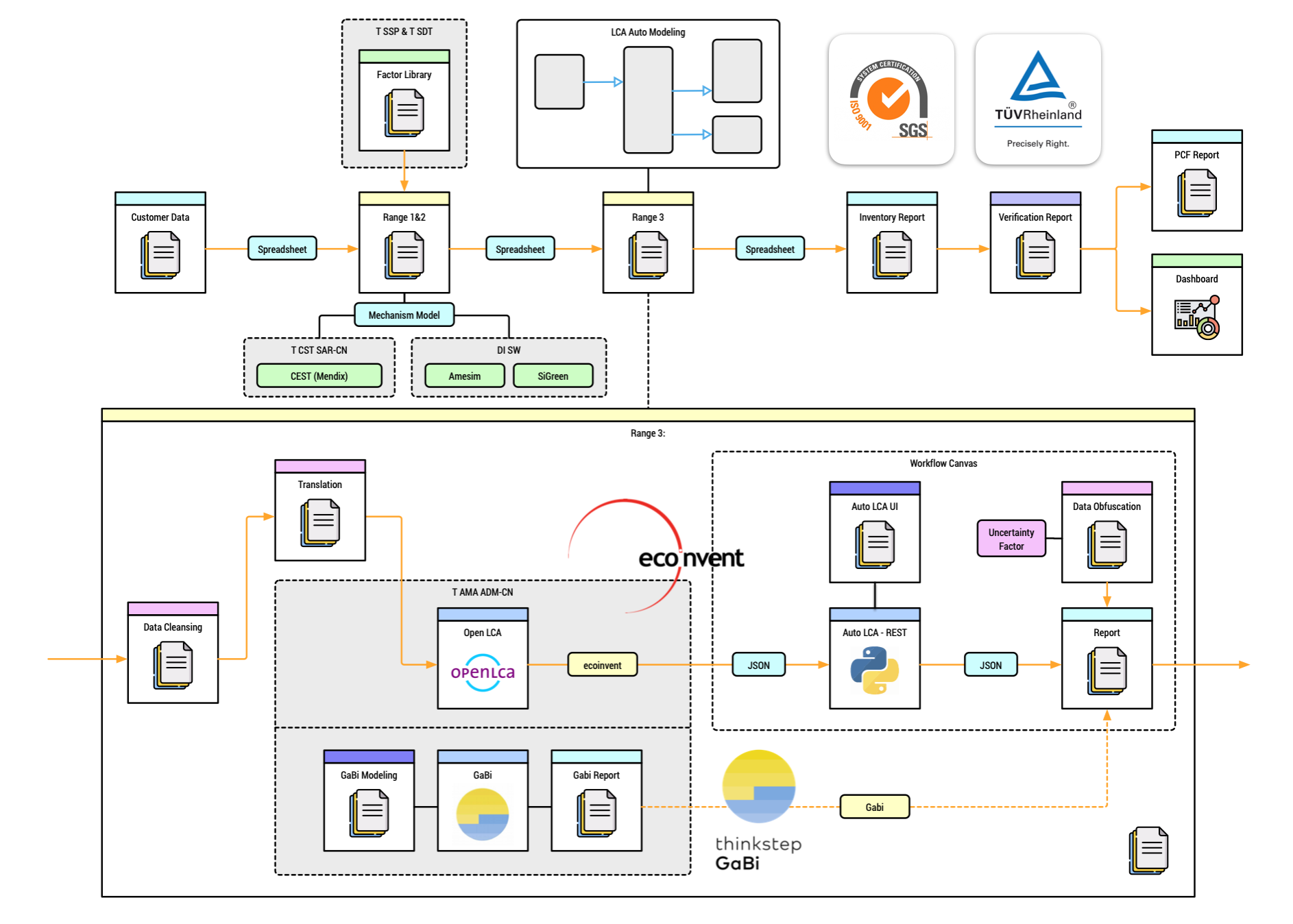
Software Defined Carbon Footprint
ESGAuditAllocation

The carbon domain links operational activity to factors, allocation rules, reporting boundaries, product lots, supplier evidence, and review workflows so footprint numbers remain both auditable and operationally useful.

  • System core: activity data, emission factor, scope boundary, product lot, supplier, evidence file, reporting package.
  • Execution logic: collect, classify, calculate, allocate, verify, restate, report, abate.
  • High-value problems: evidence extraction, factor governance, uncertainty reasoning, decarbonization prioritization.
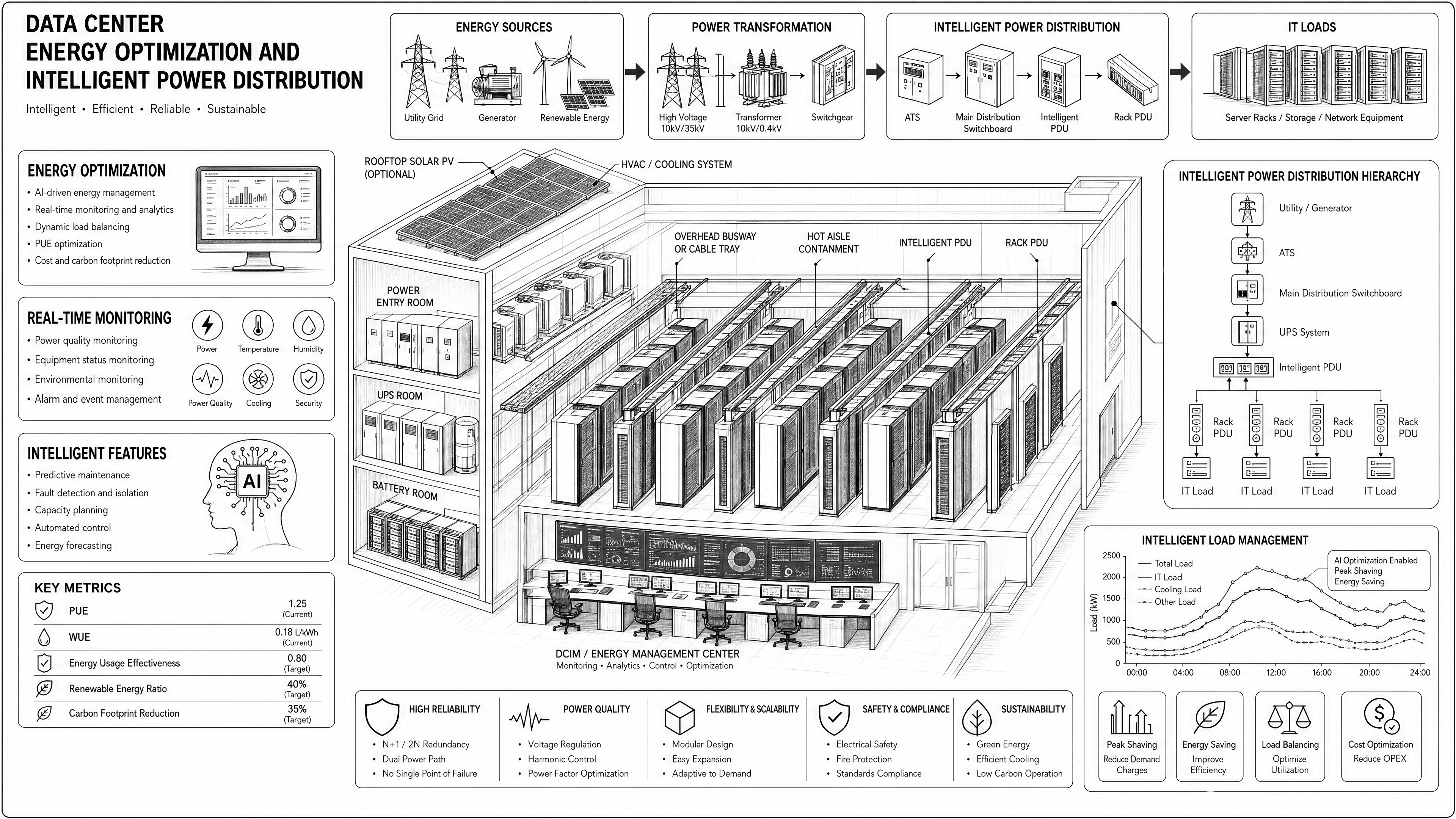
Software Defined Data Center
Software Defined Data Center 4K Architecture Banner
IT workload meets power and cooling control One operational model for service topology, power path, thermal envelope, resilience state, and carbon-aware orchestration.
DCIMCoolingResilience

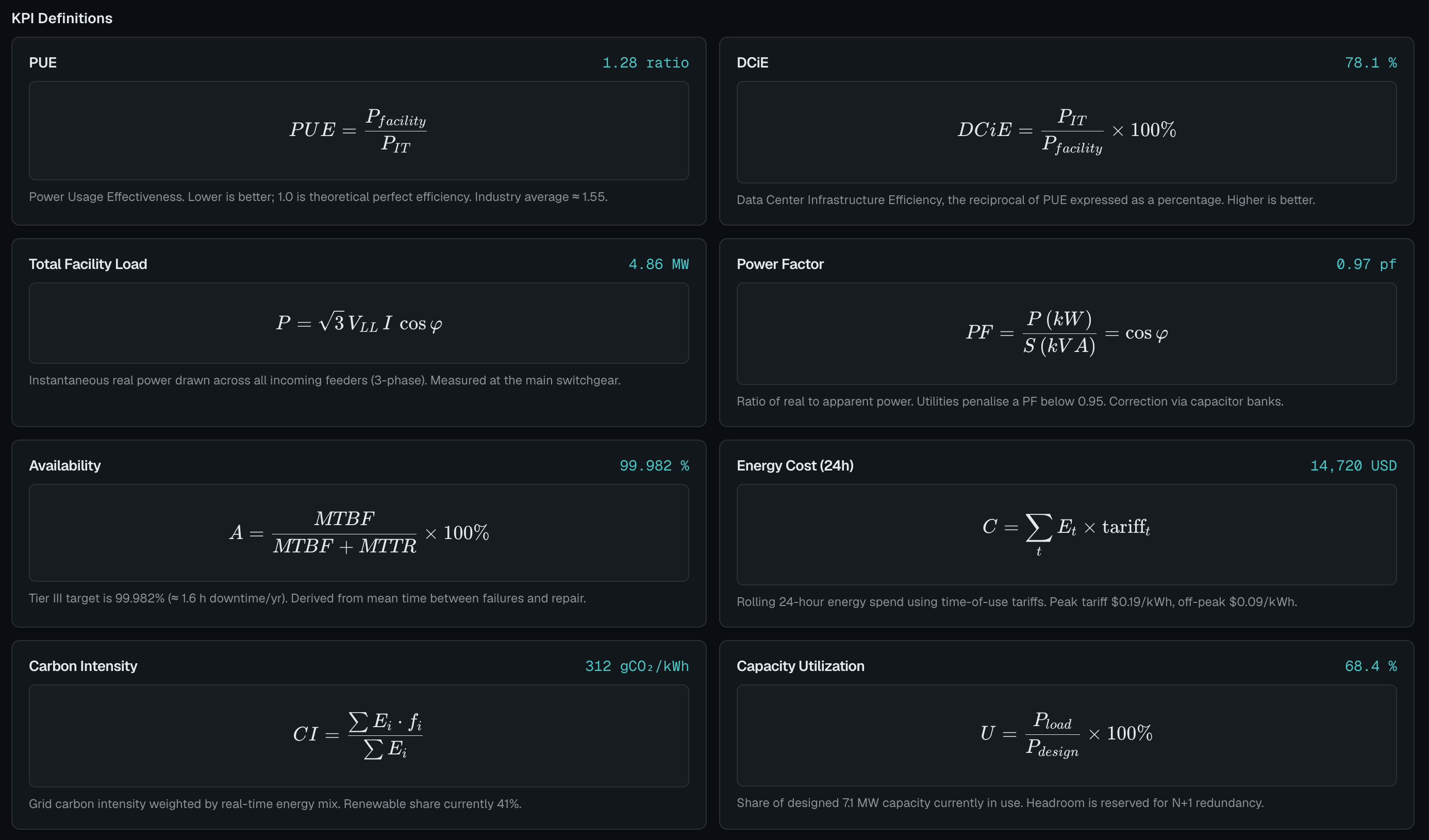
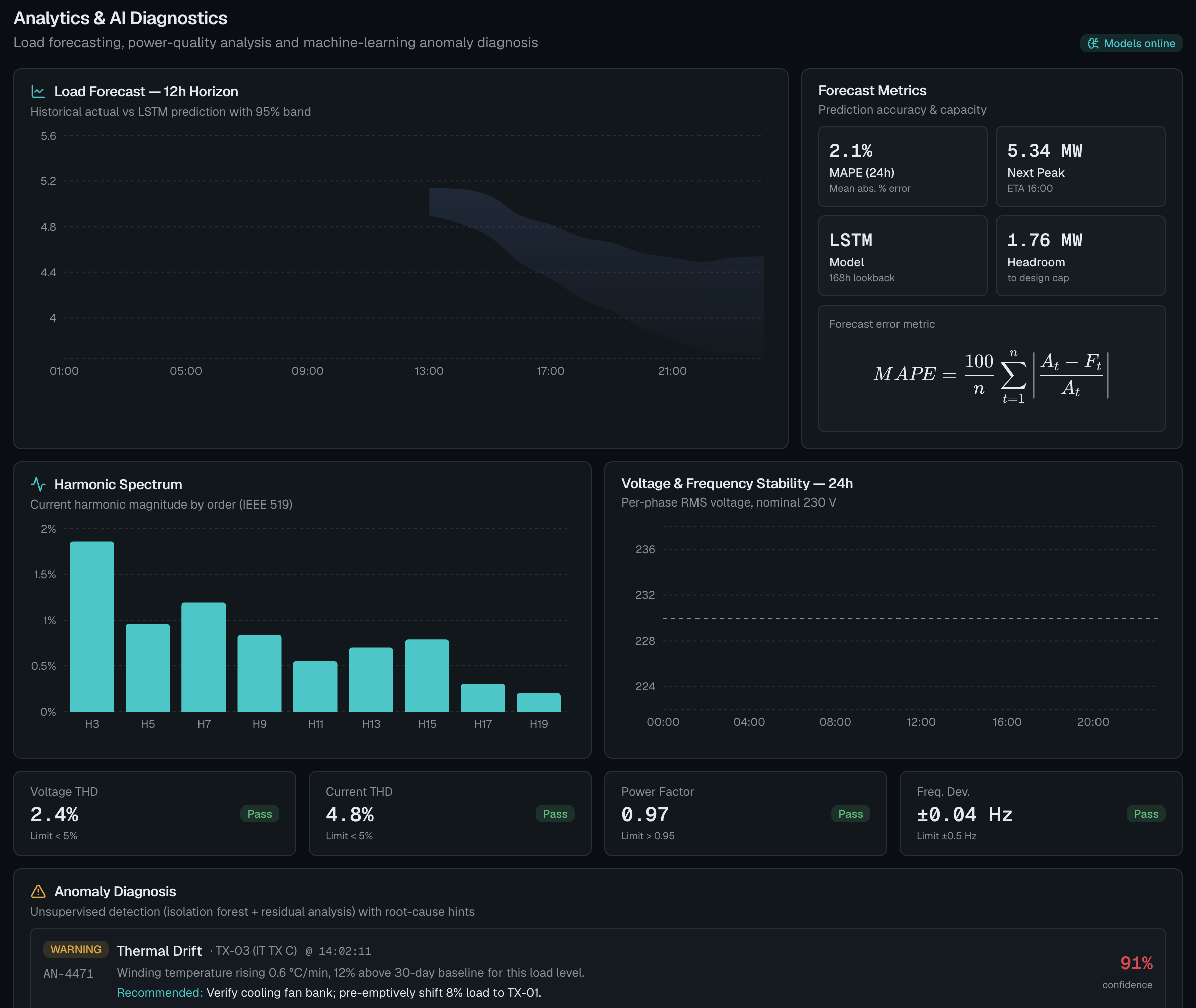
The data center domain bridges IT service management and OT energy control through shared models of workload, power, cooling, network topology, space, resilience, and carbon intensity.

  • System core: rack, server, workload, PDU, UPS, chiller, CRAC, circuit, thermal zone, SLA, carbon factor.
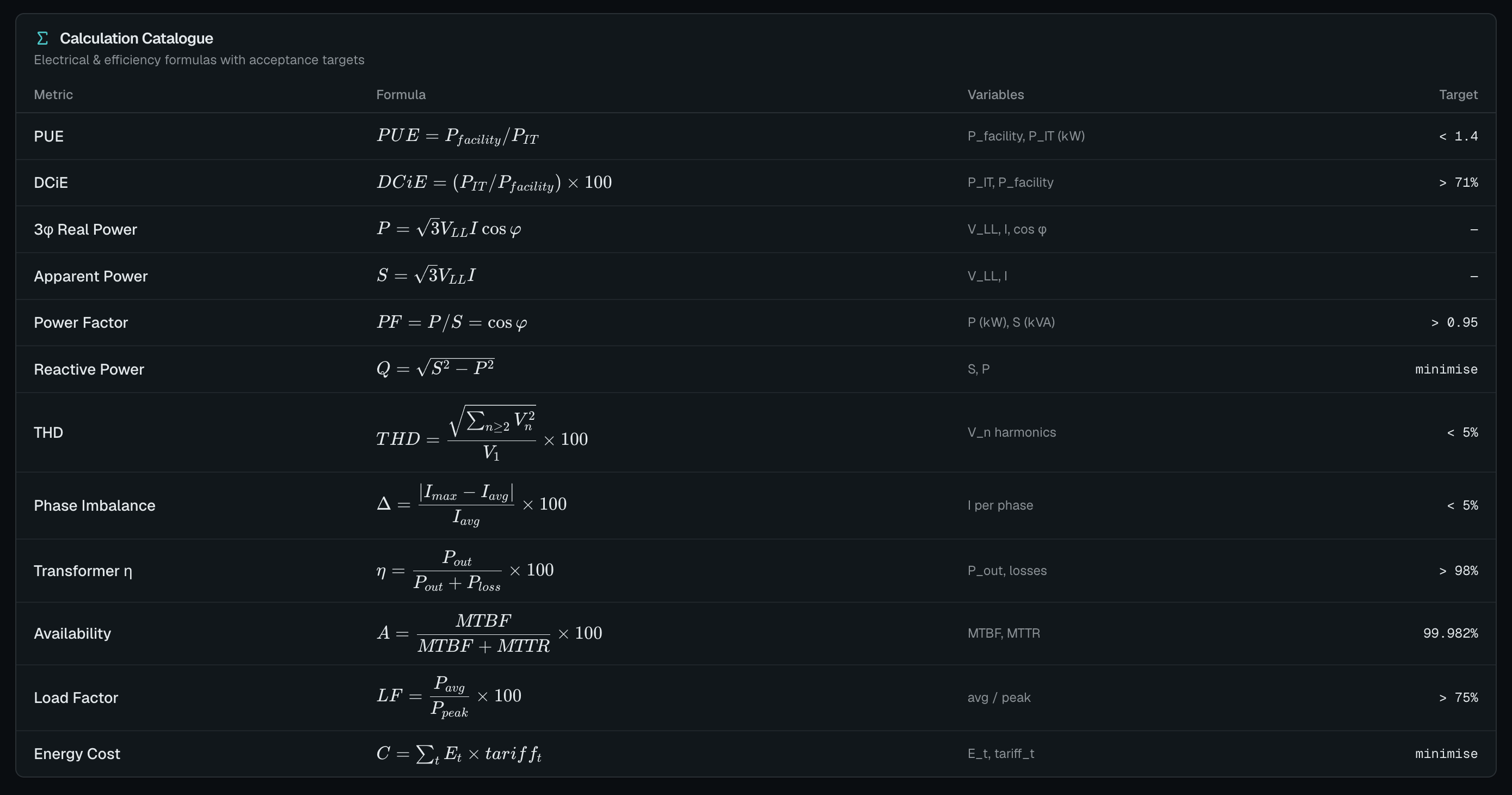
  • Execution logic: allocate, migrate, cool, shed load, failover, isolate, backup, report PUE and carbon.
  • High-value problems: thermal optimization, workload placement, capacity planning, energy-carbon tradeoff.

Software Defined Smart Grid
UtilityDERDispatch

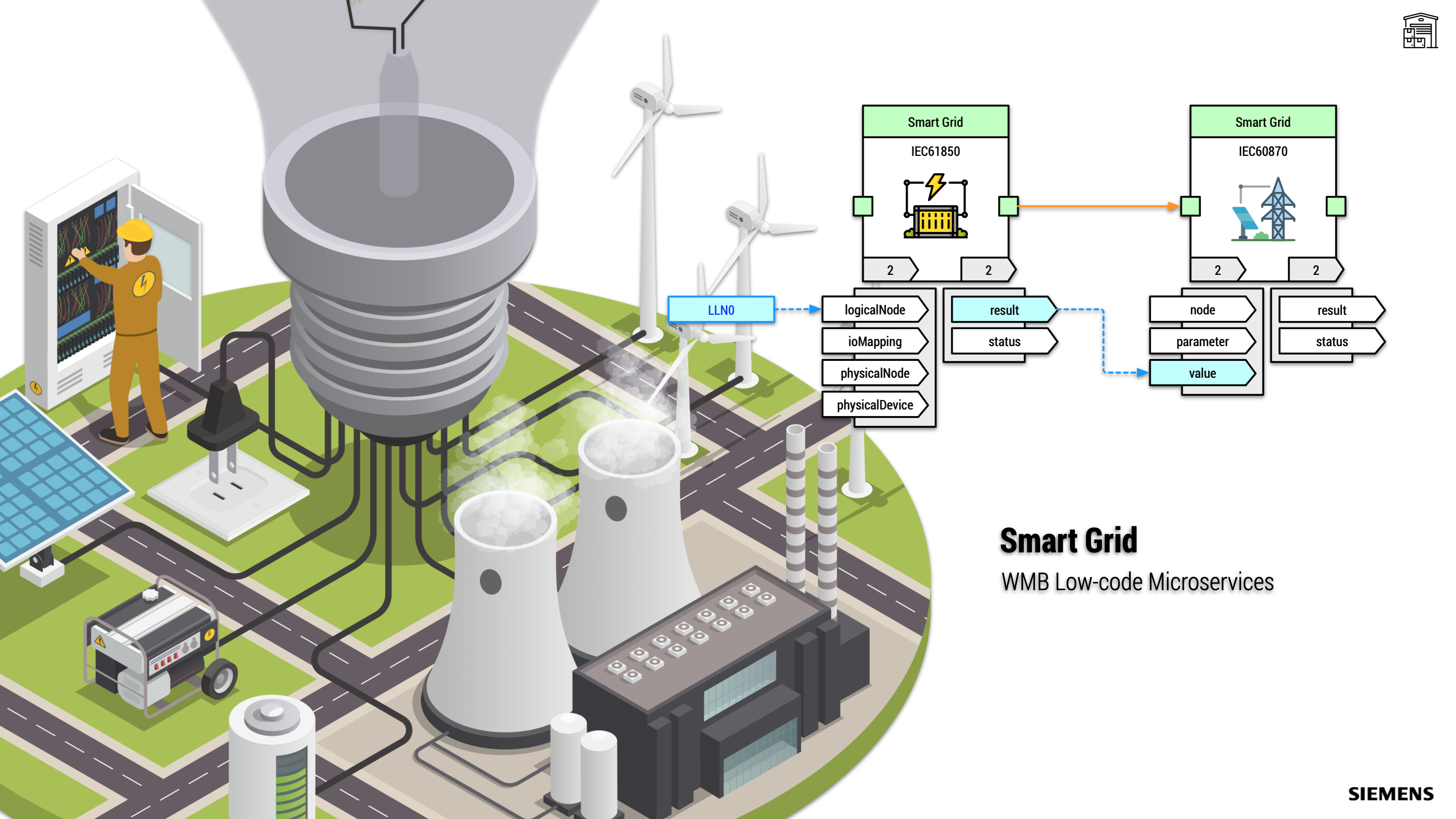
The grid domain is a topology and constraint problem spanning generation, storage, transmission, distribution, demand, tariff signals, and protection behavior under tight reliability obligations.

  • System core: feeder, bus, breaker, transformer, DER, battery, load, inverter, relay, market signal.
  • Execution logic: forecast, dispatch, curtail, island, protect, restore, settle, verify.
  • High-value problems: outage localization, grid-edge optimization, DER orchestration, tariff-aware control.
Software Defined Electric Vehicle
FleetChargingBattery

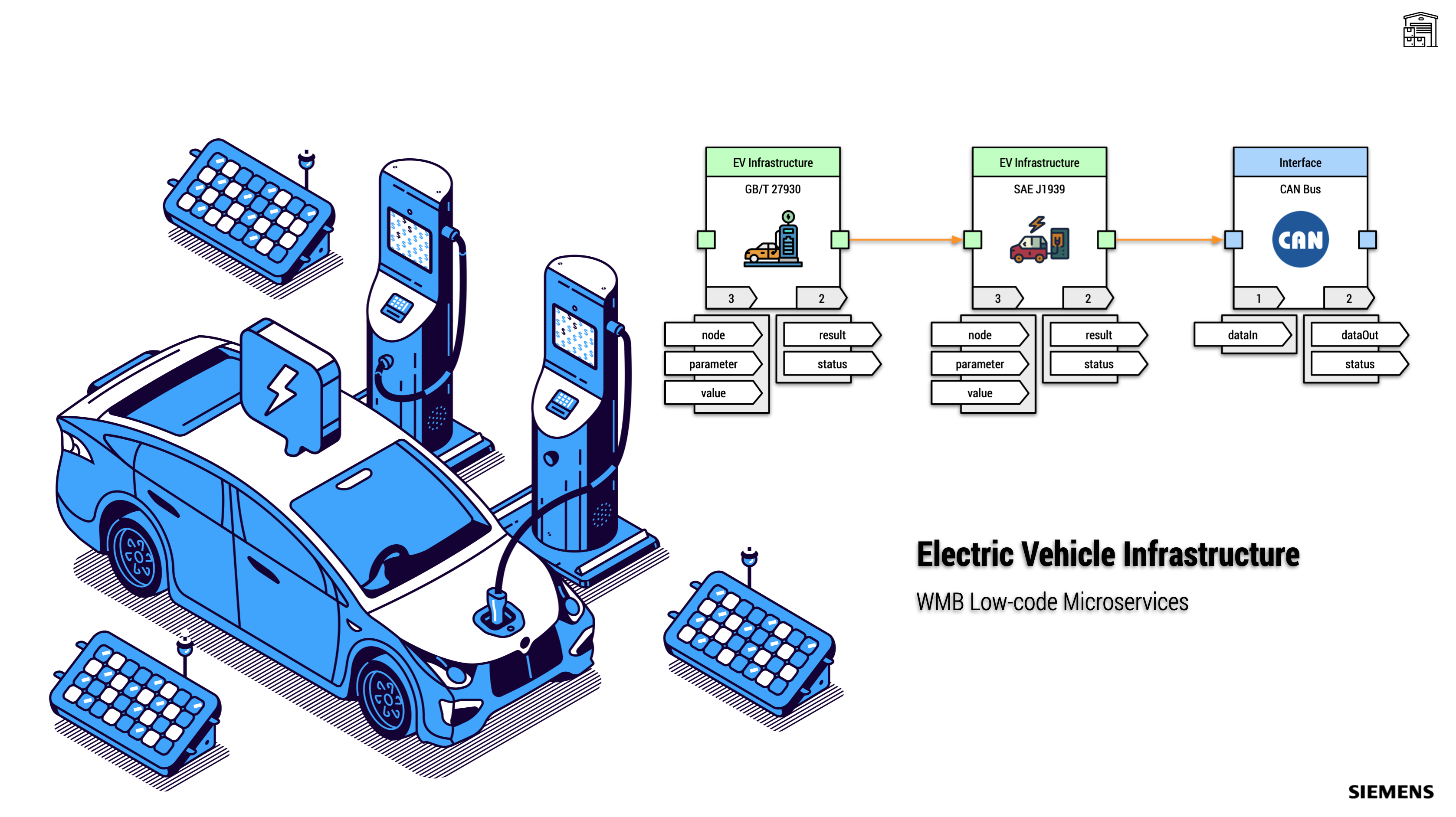
The EV domain treats a vehicle as both a transport asset and a flexible energy resource, linking route commitments, battery health, charging reservations, grid signals, and maintenance state.

  • System core: vehicle, battery pack, charger, depot, connector, route, reservation, tariff window, SOC model.
  • Execution logic: charge, discharge, precondition, reserve, route, park, balance, derate, maintain.
  • High-value problems: charging optimization, route energy planning, degradation prediction, V2G scheduling.
Software Defined Smart Building
BMSHVACOccupancy

The building domain is a spatial comfort and energy system that must align rooms, zones, HVAC loops, meters, occupancy, weather, complaints, work orders, and asset behavior.

  • System core: building, floor, room, AHU, VAV, chiller, pump, meter, sensor, actuator, occupancy zone.
  • Execution logic: condition, ventilate, cool, heat, schedule, override, fault-detect, balance, shed load.
  • High-value problems: comfort-energy tradeoff, fault triage, occupancy inference, work-order prioritization.
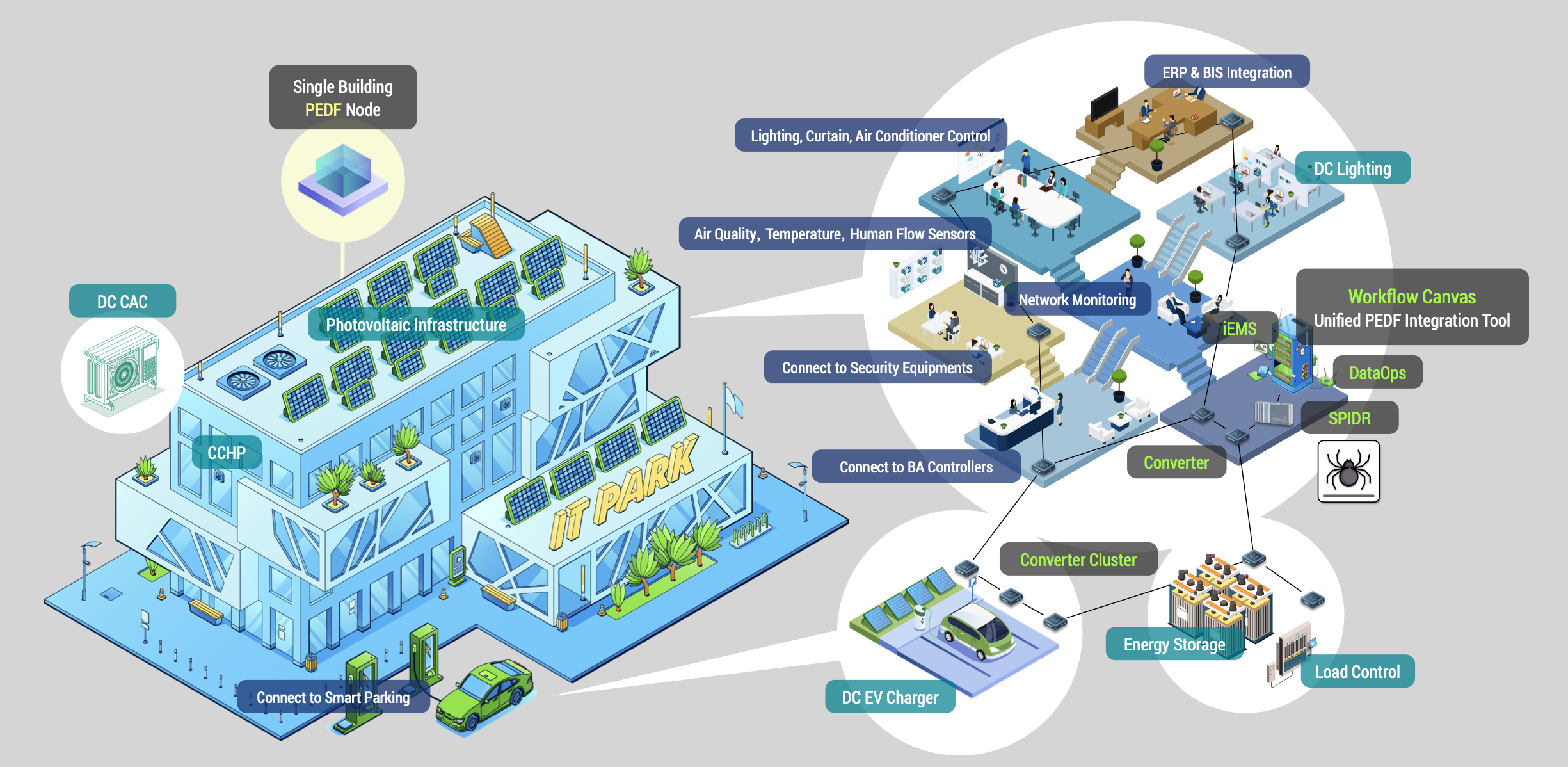
Software Defined PEDF
PV + StorageDemand ResponseCampus

PEDF couples photovoltaic generation, storage, flexible loads, charging infrastructure, building automation, and demand response, so both energy flow and behavior orchestration matter equally.

  • System core: PV array, storage, charger, inverter, meter, load, building zone, dispatch policy, settlement rule.
  • Execution logic: generate, store, charge, discharge, curtail, shift, forecast, allocate, settle.
  • High-value problems: peak shaving, renewable forecast, carbon-aware scheduling, multi-asset dispatch.
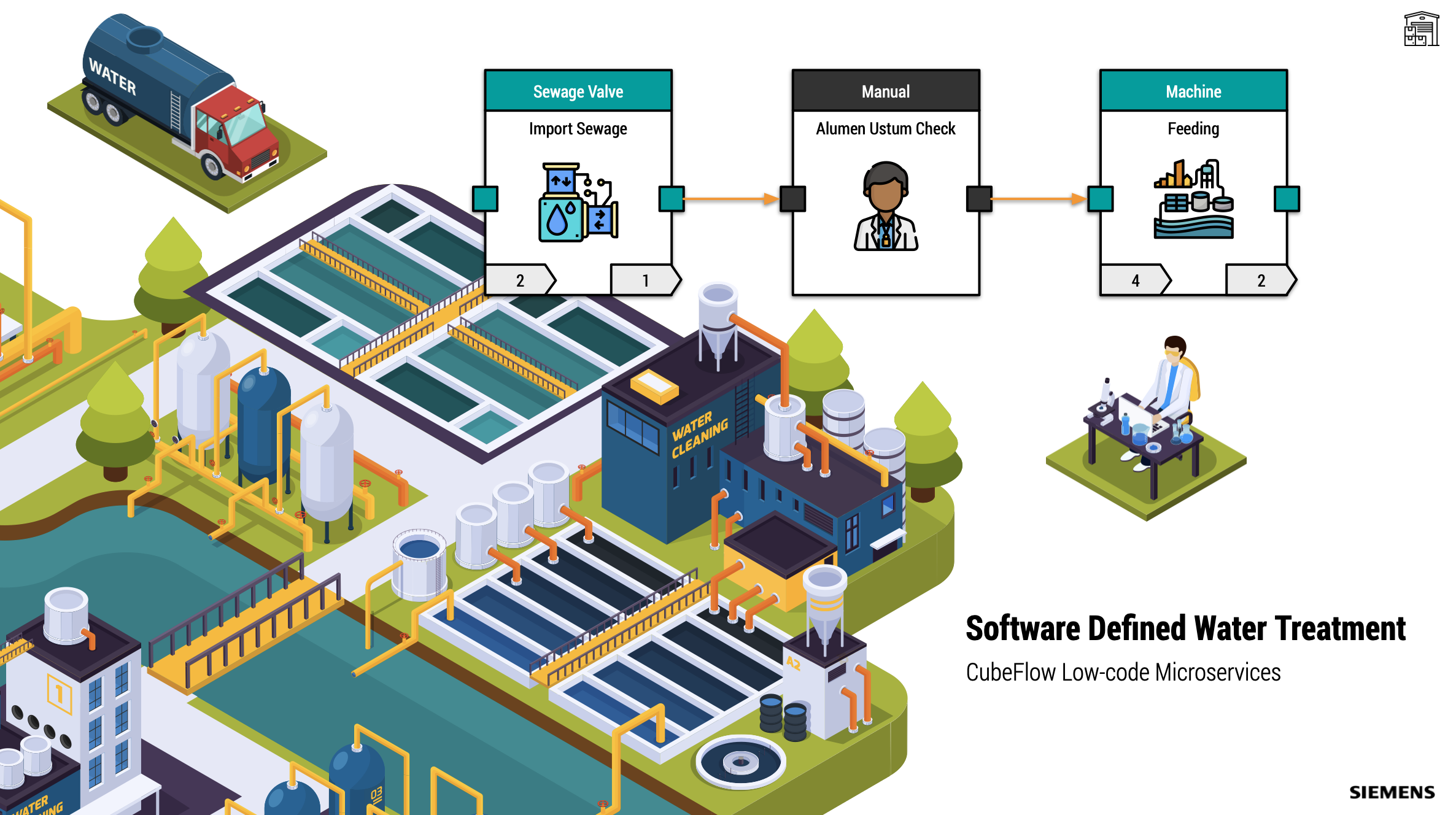
Software Defined Process Automation
DCSSafetyTopology


Process automation is governed by topology, physics, loops, interlocks, and compliance limits, which means the model must preserve relations among equipment, lines, valves, instruments, alarms, and procedures.

  • System core: vessel, pump, valve, tank, filter, dosing unit, transmitter, analyzer, batch unit, utility system.
  • Execution logic: dose, heat, cool, filter, purge, sample, isolate, trip, bypass, clean, resume.
  • High-value problems: alarm rationalization, root-cause analysis, loop health, procedure retrieval.
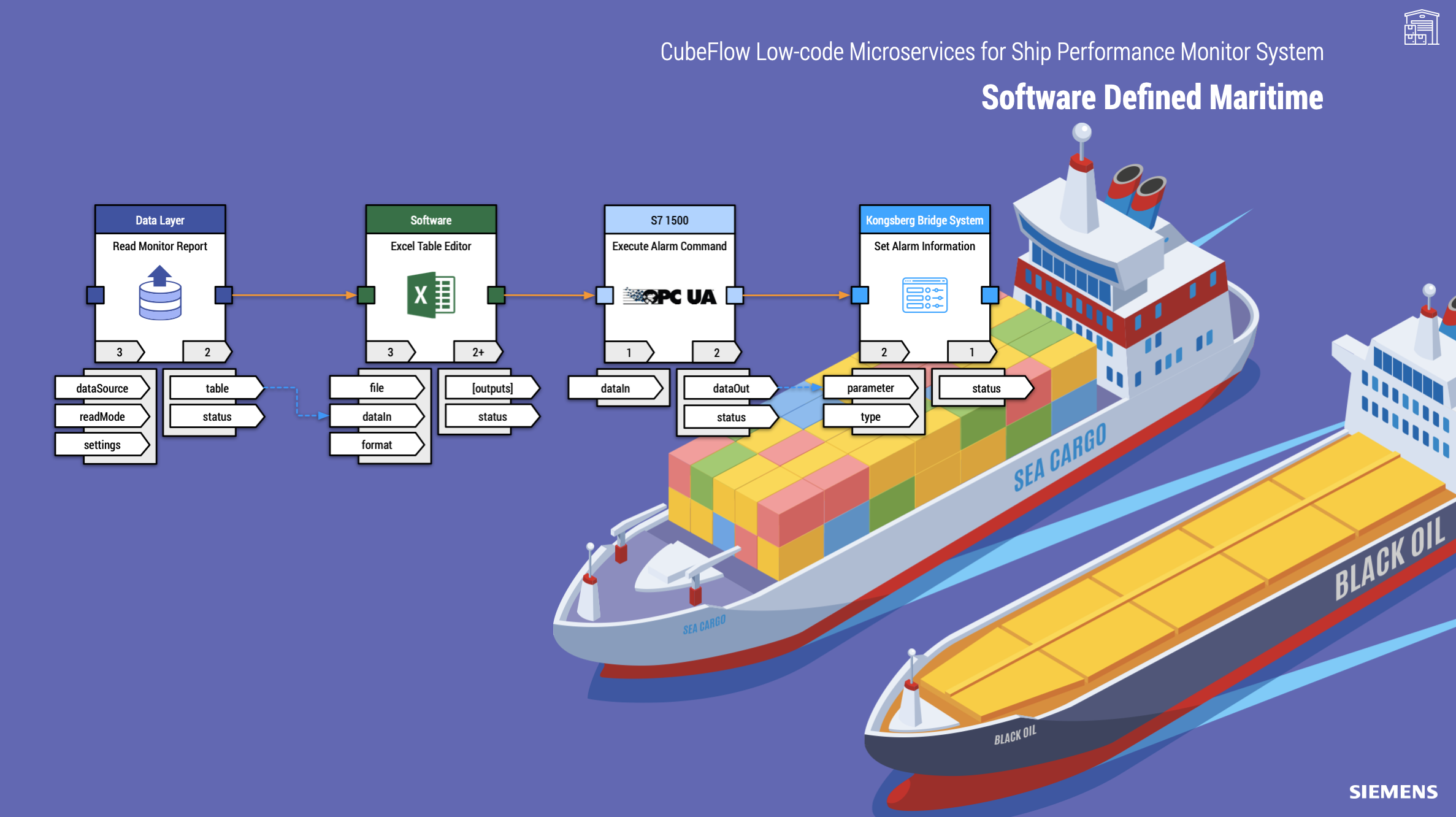
Software Defined Maritime
PortVoyageCargo

Maritime operations coordinate vessel systems, port infrastructure, cargo state, berth resources, weather windows, and safety zones, so the system model must span shipboard and shore-side contexts.

  • System core: vessel, berth, crane, cargo unit, route, fuel system, weather window, safety zone, port service.
  • Execution logic: berth, load, unload, fuel, inspect, route, delay, allocate, clear, handover.
  • High-value problems: port-call optimization, disruption reasoning, cargo flow visibility, fuel planning.

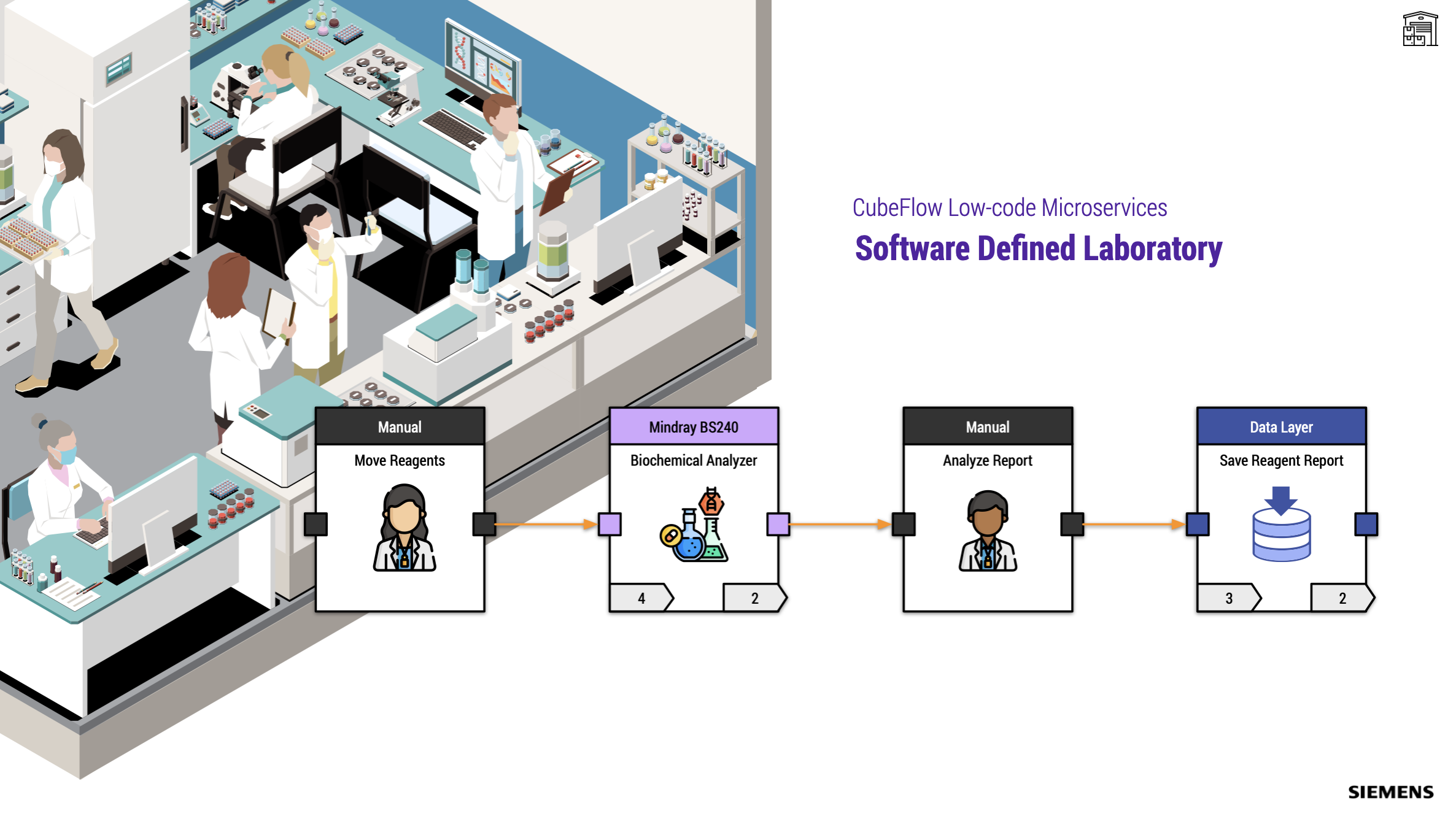
Software Defined Laboratory
LIMSProtocolEvidence

The laboratory domain is centered on reproducibility, with models for sample identity, protocol version, instrument capability, calibration status, reagent lot, measurement method, and chain-of-custody.

  • System core: sample, plate, instrument, reagent, protocol, operator, result file, calibration record.
  • Execution logic: prepare, transfer, incubate, measure, validate, repeat, approve, archive.
  • High-value problems: protocol recommendation, anomaly detection, evidence packaging, data integrity.
No domain cards match the current search. Try industry terms such as factory, grid, building, DCS, carbon, or chain-of-custody.