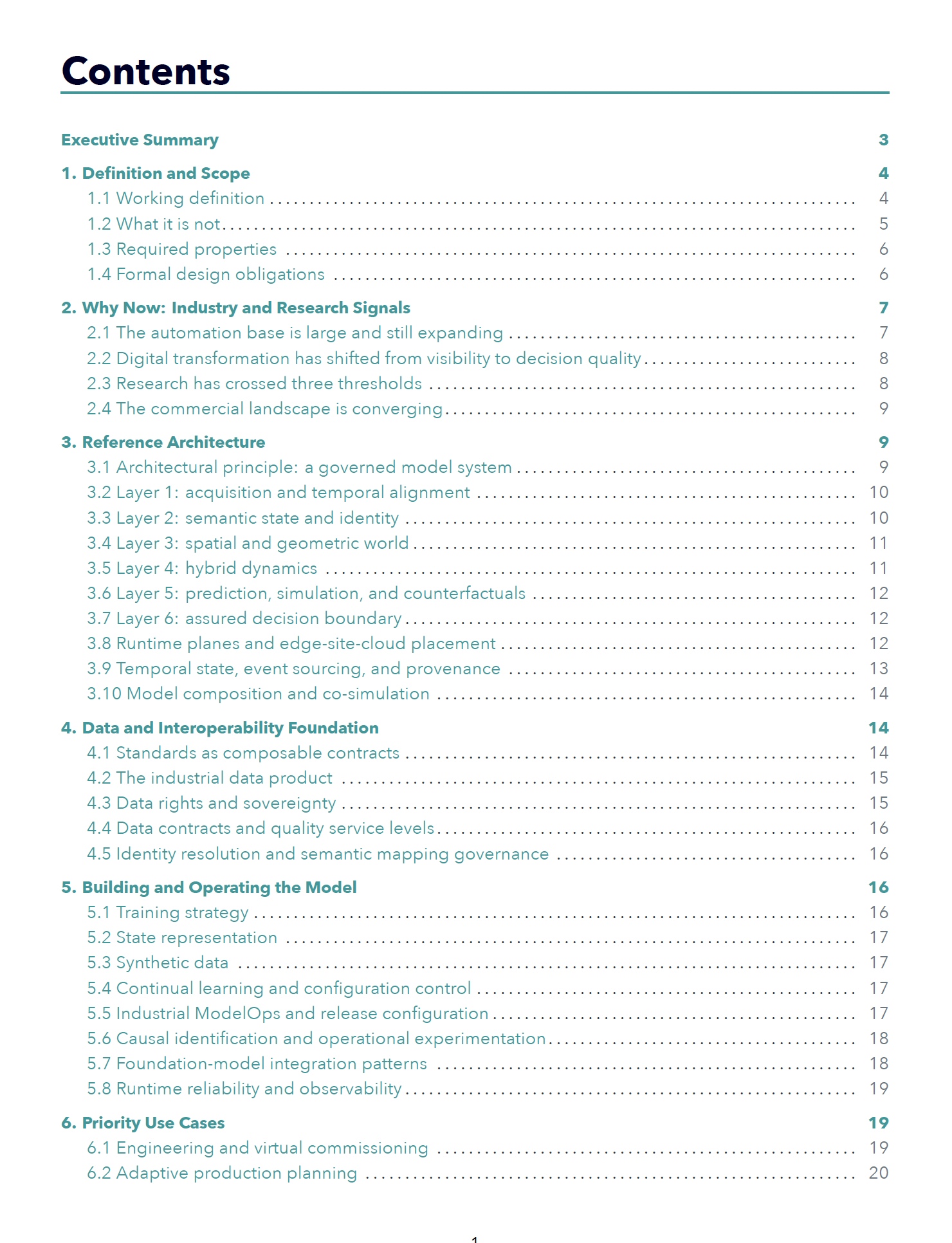
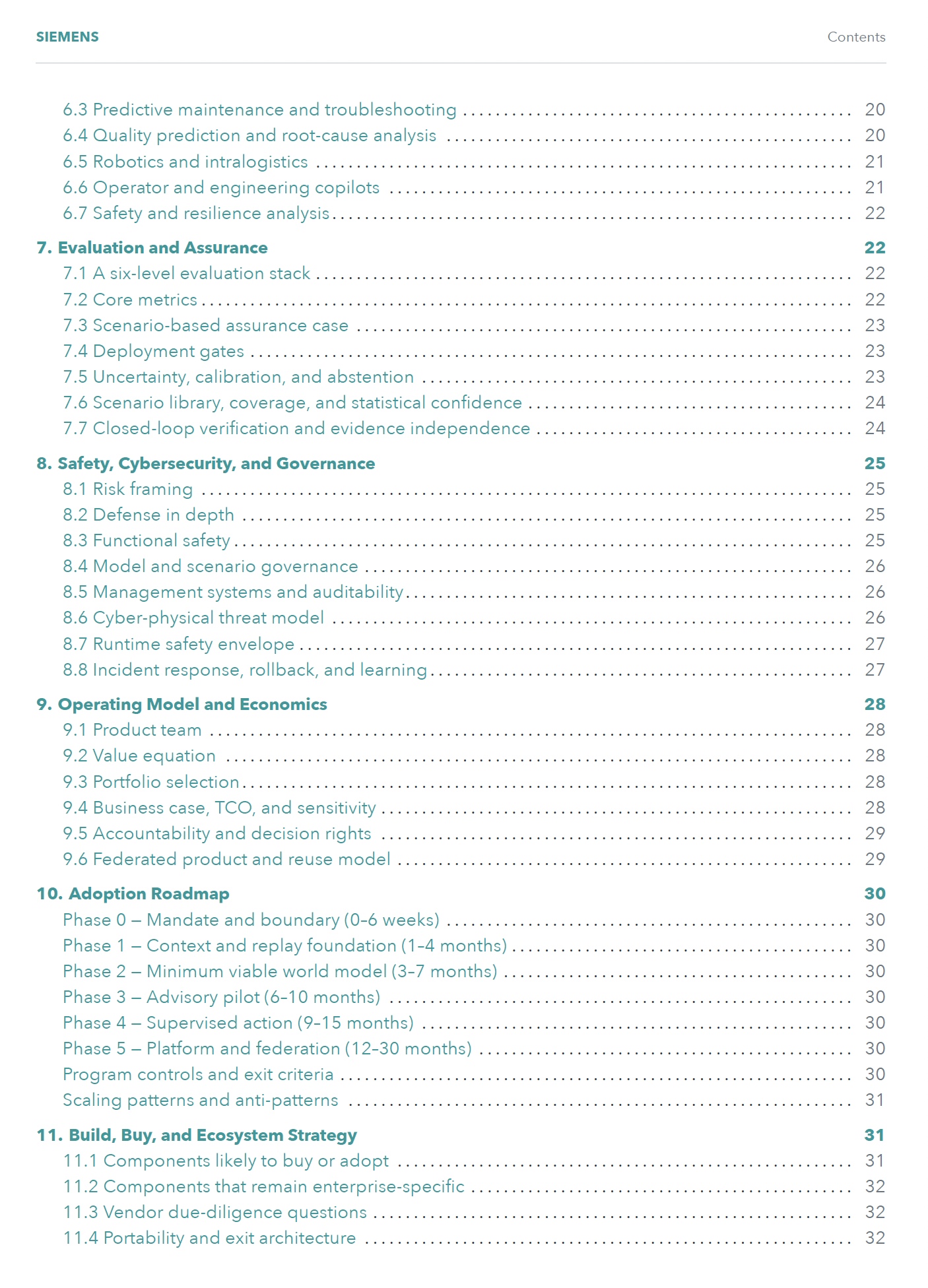
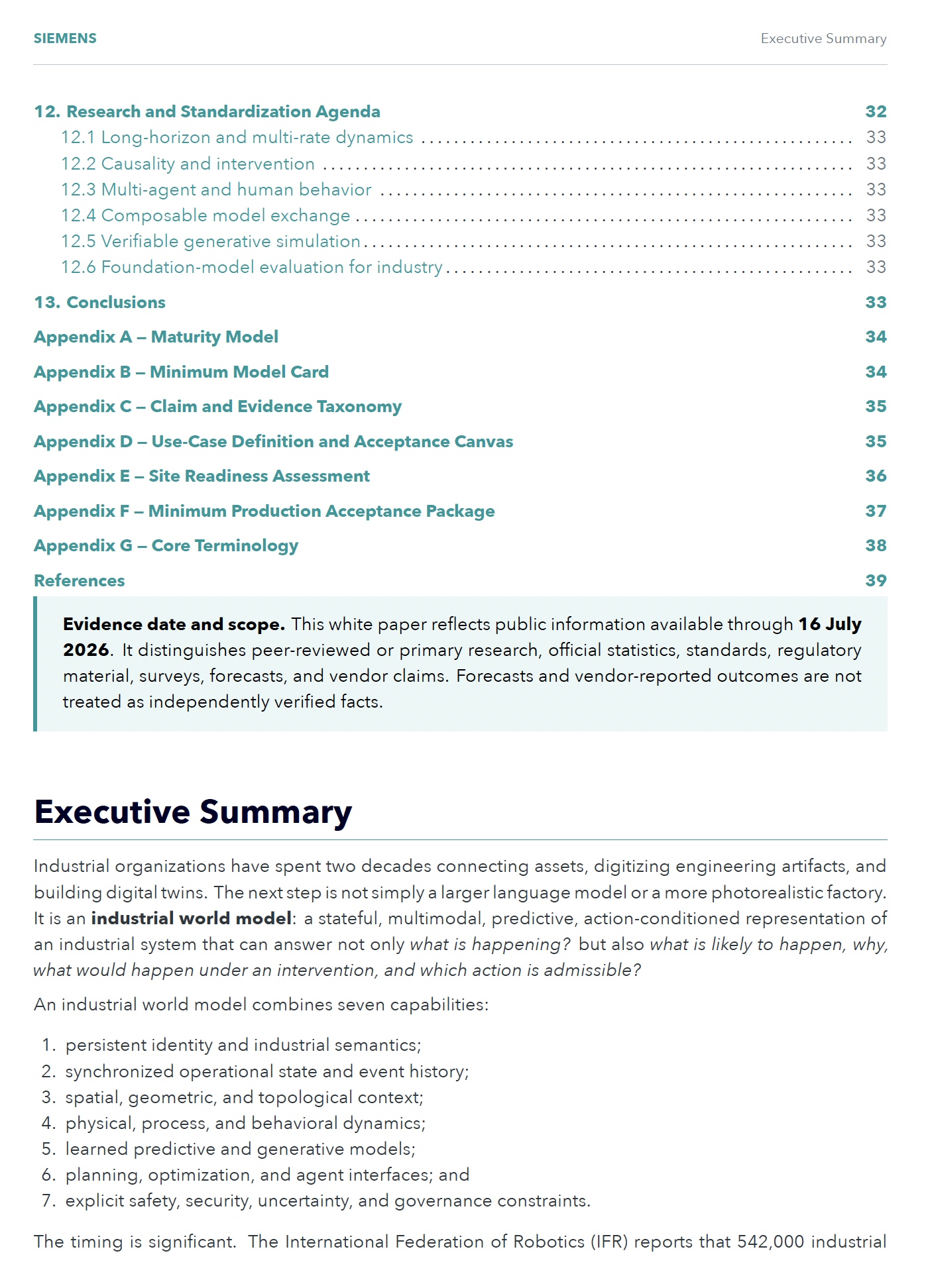
Publication Roadmap
Publication, standardization, and conference planning are moving in parallel

This page tracks a live portfolio rather than a static publication list: the newly released GB/T 47859-2026 national standard, paper submission planning toward ICSE 2027, external academic collaboration, and the follow-up ecosystem work around national and international standardization.

Paper Pipeline
CREEM and WFC research paper banner
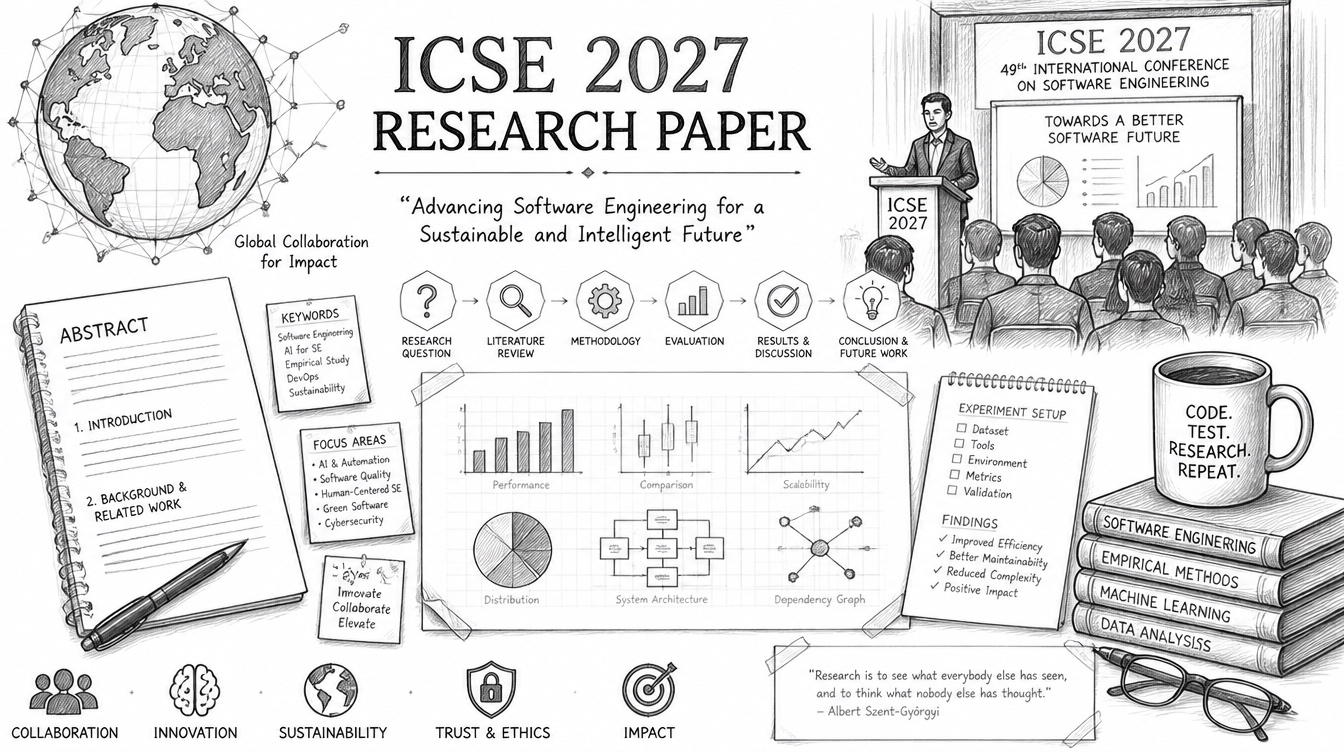
Targeting ICSE 2027
CREEM/WFC practices research paper

The paper work is currently in progress. It focuses on CREEM and Workflow Canvas as an integrated practices framework for engineering software, runtime systems, and behavior-model-driven industrial execution. The scope covers new paradigms and architecture for industrial engineering software, runtime orchestration, executable behavior models, and domain-specific research for characteristic industries.

  • Research scope: CREEM namespace, workflow canvas, Dynamic Behavior Modeling, engineering software architecture, runtime orchestration, and agent-facing industrial context.
  • Research coverage: the work combines foundational theoretical research with application-oriented studies derived from real customer requirements, operational constraints, and market-facing delivery scenarios.
  • Primary venue plan: ICSE 2027 SEIP, a practice-oriented track for industrially relevant software engineering problems investigated with systematic evidence.
  • Track fit: the current paper is being shaped toward software engineering in practice, with emphasis on engineering method, industrial context, runtime and modeling architecture, evidence, and deployable semantics rather than theory-only framing.
  • Important date: ICSE 2027 SEIP currently lists a submission deadline of 23 October 2026, with accepted papers appearing in the SEIP Companion proceedings.
  • Research-track note: the ICSE 2027 ecosystem also includes the main Research Track, which remains relevant if the paper evolves toward stronger generalizable software engineering contribution beyond the current practice-first positioning.
Conference Watch
ICSE and conference planning banner
Deferred to 2028
ICSA 2027 / Circular+ conference planning

ICSA 2027 will take place in Milan from 5 to 9 July 2027 under the Circular+ theme, covering adaptive design, decarbonization, advanced material and design innovation, deconstruction, and architectural transformation. It is relevant to broader design-logic and system-structure work, but the submission deadline for the paper I am drafting for this venue has already passed.

  • Current decision: the in-progress paper will not be submitted to the 2027 edition and will instead be prepared for the next cycle in 2028.
  • Reason for deferral: schedule alignment is no longer realistic for the current deadline, and pushing to the next edition allows for a stronger manuscript rather than a rushed submission.
  • Planning value: the conference remains useful as a reference venue for design grammar, transformation logic, and system-level structure discussions adjacent to the ongoing research portfolio.
Standardization
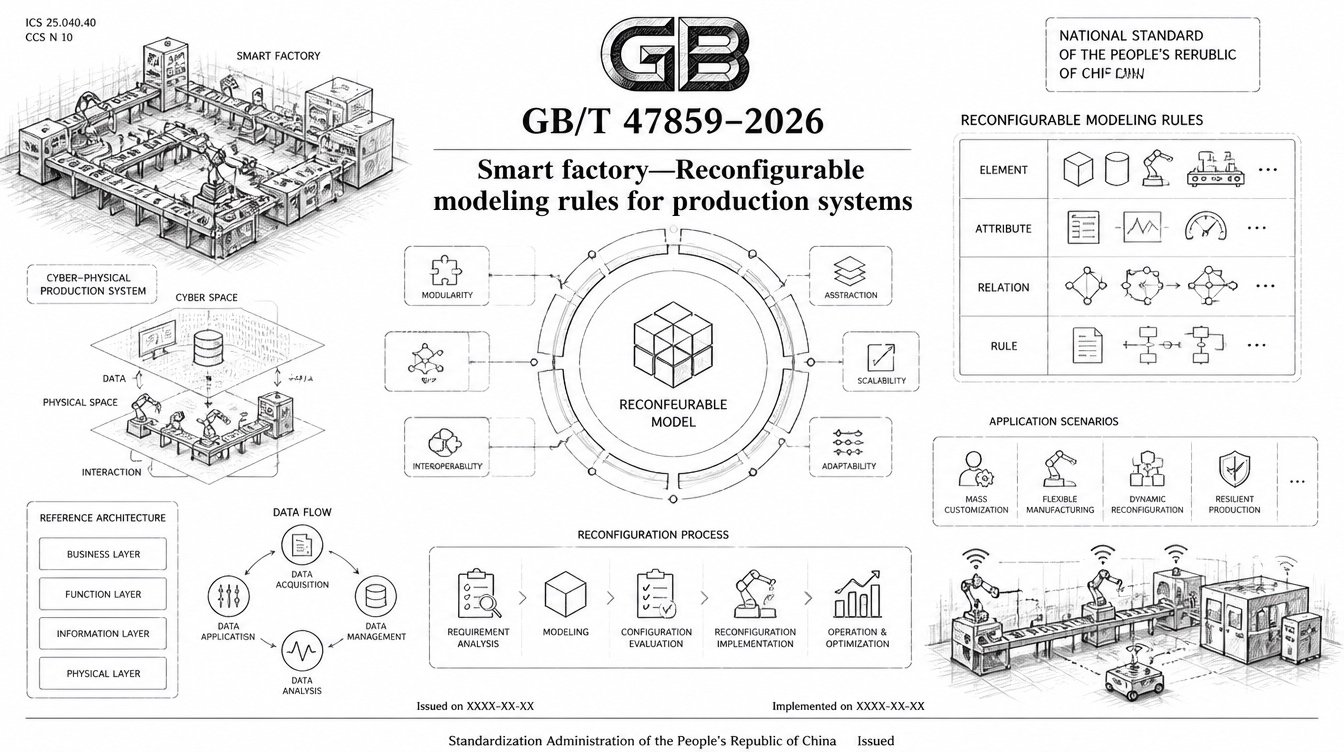
GB/T standardization banner
Released 2 July 2026
GB/T 47859-2026 Smart factory—Reconfigurable modeling rules for production systems

The national standard has now been officially released: GB/T 47859-2026, with implementation scheduled for 1 February 2027. I am the first author of this standard. The document establishes modeling rules for reconfigurable production systems in smart factories and creates a more stable reference point for engineering semantics, system structure, and production-system transformation logic.

  • Official status: released on 2 July 2026 and scheduled to enter into force on 1 February 2027.
  • Industrial significance for Siemens: the standard strengthens a shared modeling language for production-system reconfiguration, helping connect engineering design, automation integration, and scalable smart-factory implementation across heterogeneous industrial environments.
  • Smart factory significance: it supports more consistent description of production-system restructuring, which is important for digital engineering continuity, semantic interoperability, and future AI-ready industrial knowledge organization.
  • Follow-up plan: related work on a national standard working group and an industry alliance is being advanced in parallel, with IEC-oriented planning also expected to move forward as the next internationalization step.
Academic Collaboration
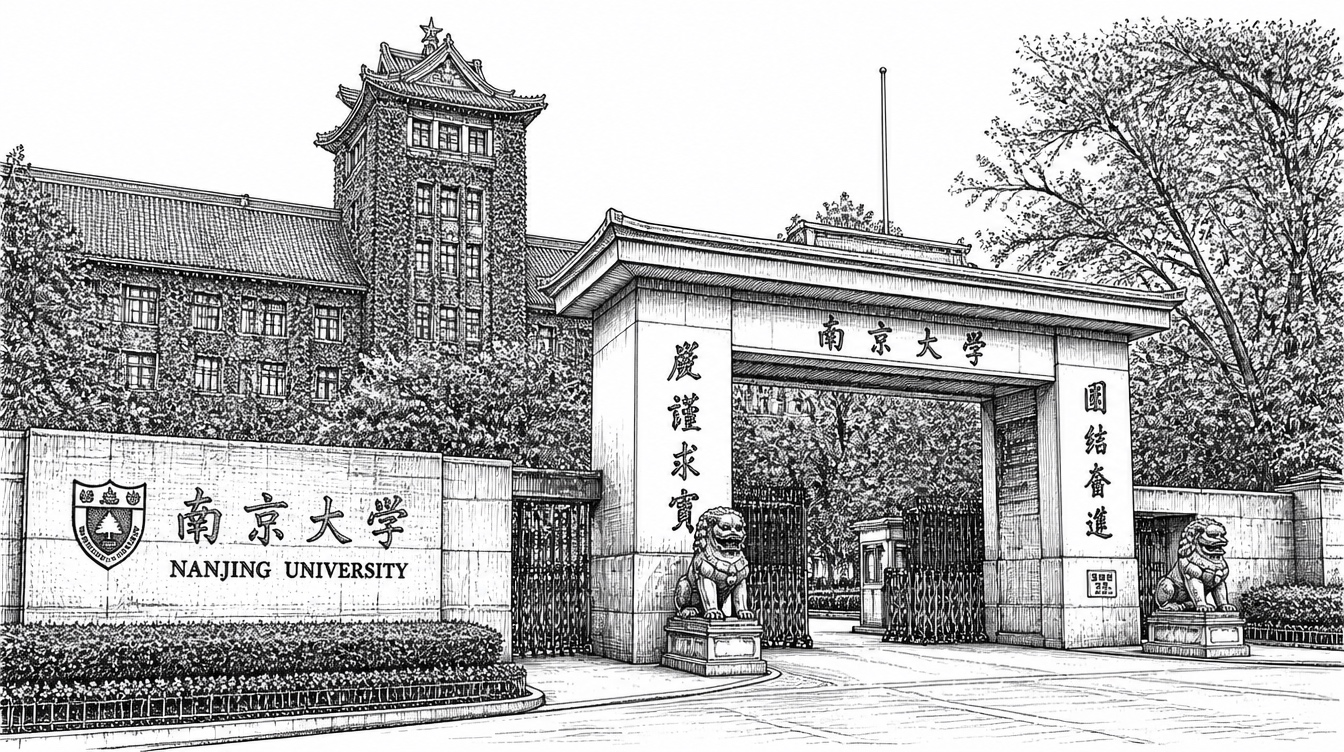
Nanjing University
In Progress
Nanjing University master's research and industrial world model paper

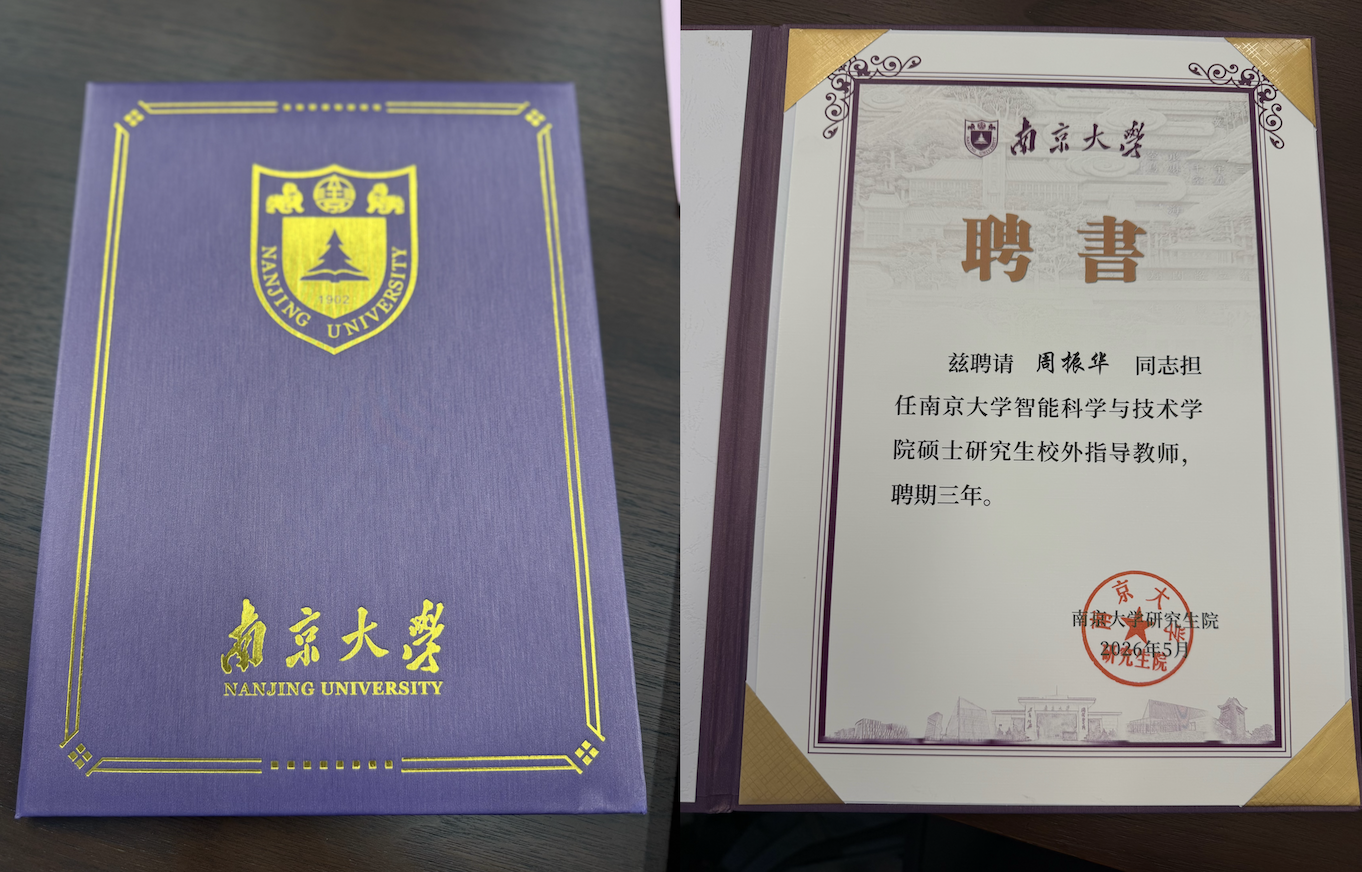
The photo anchors the Nanjing University collaboration entry. The master's research refers to the role as an external supervisor, and a collaborative paper on industrial world models is also currently in progress.

  • Collaboration role: external supervisor for Nanjing University master's research.
  • Paper direction: industrial world model research, connecting domain semantics, operational context, and AI-oriented industrial knowledge representation.
  • Current stage: research framing, topic alignment, and paper preparation are ongoing.
  • Next update: collaborator information, paper title, abstract, and publication status will be added when publicly available.
Nanjing University collaboration material
White Paper
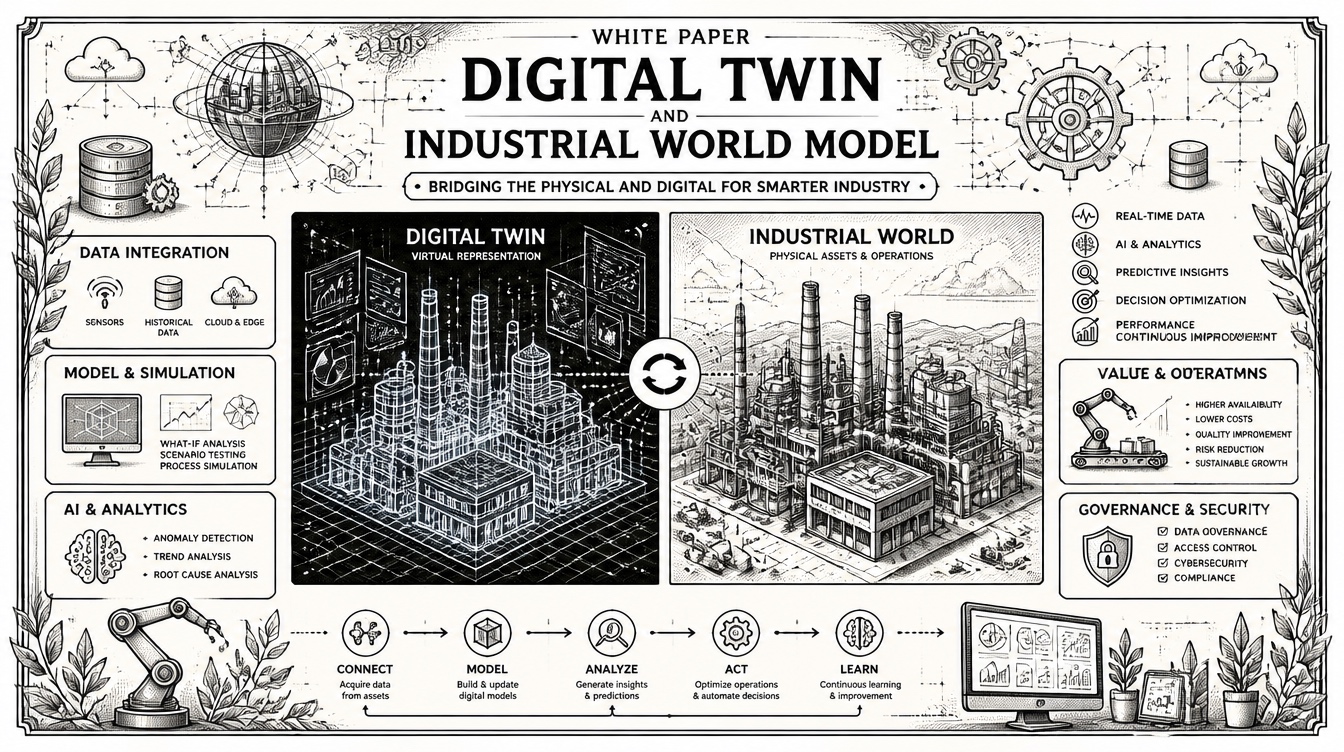
Minimal Viable Digital Twin white paper banner
Co-authoring in Progress
Minimal Viable Digital Twin white paper

I am currently collaborating with other contributors on a white paper focused on Minimal Viable Digital Twin, related data modeling methods, and industry-oriented research. The work is intended to bridge conceptual framing, data structure design, and practical industrial adoption patterns.

  • Core topic: Minimal Viable Digital Twin as a pragmatic entry point for deployable industrial digital-twin practice.
  • Research content: related data modeling, information structure, industrial scenarios, and field-oriented research on how organizations can start with workable scope instead of over-designed full-stack twin programs.
  • Collaboration mode: this is a joint writing effort with external collaborators, combining technical interpretation, industry observation, and positioning for broader ecosystem communication.
  • Planned outcome: a public-facing white paper that can support technical discussion, industrial alignment, and follow-up standardization or alliance activities.