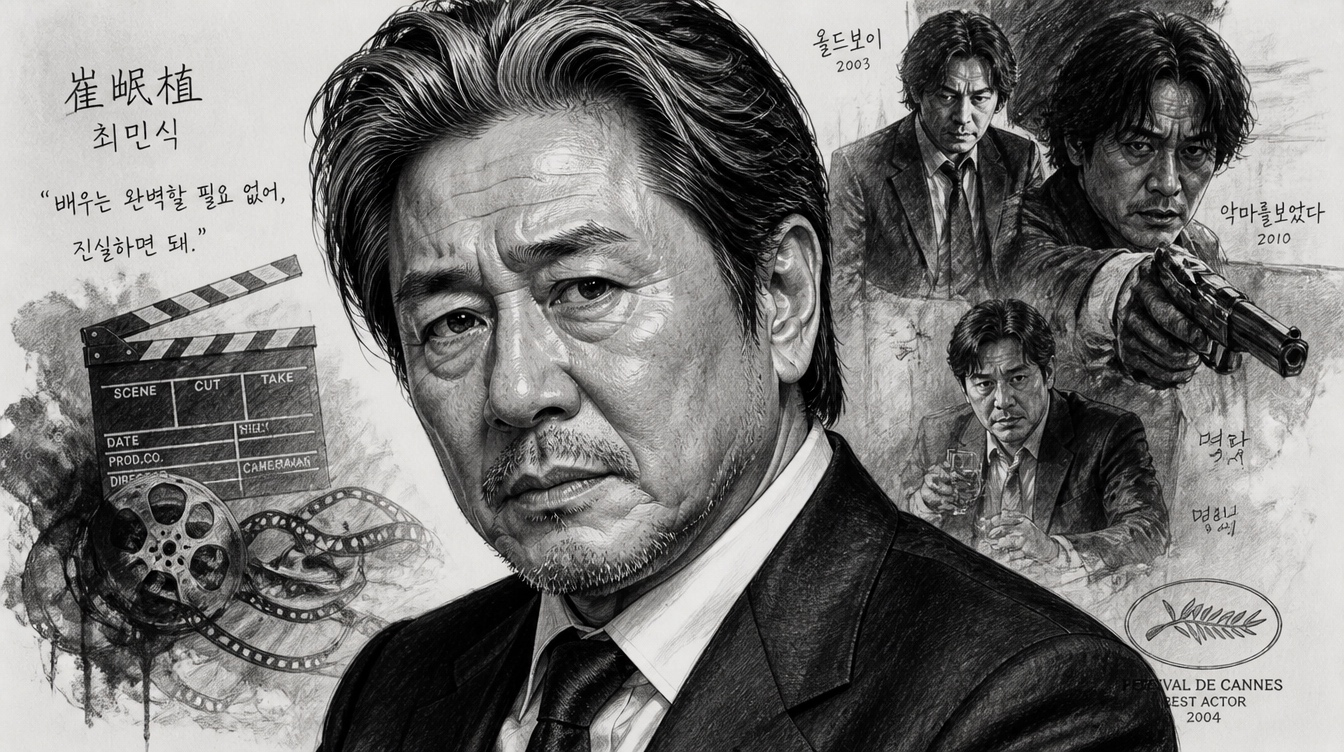
Choi Min-sik and His Films崔岷植和他的电影
Born 19621962 年出生South Korean actor韩国男演员Rage / fatigue / restraint愤怒 / 疲惫 / 克制Oldboy / The Admiral / I Saw the Devil《老男孩》/《鸣梁海战》/《看见恶魔》

Choi Min-sik has one of the most recognizable faces in modern Korean cinema. He brings pressure and abrasion into a scene, as if humiliation and anger have been accumulating long before the camera arrived. His characters can be frightening without becoming cartoons, and wounded without begging for sympathy.
Oldboy made him internationally famous, but revenge films account for only part of his work. He has led historical epics, crime dramas, serial-killer thrillers, and quieter stories about middle-aged men who have run out of room to hide from their failures.
Choi acts with the history of a body. The stoop, the breath, the way a man eats or raises his voice can suggest years of labor, debt, drinking, police rooms, family shame, or war. Even at his most theatrical, those details keep the character tied to a recognizable social world. He can move from grotesque fury to exhausted silence and still seem like the same person.
He came of age with a generation that made Korean genre films carry serious moral pressure. Violence in his strongest work has consequences. It reveals what a character has lost, what other people have allowed, and whether any dignity survives revenge, corruption, patriotism, or simple endurance.
Choi Min-sik's career tracks several changes in modern Korean cinema. He brought stage training into the commercial boom of the late 1990s, became an international cult figure after Oldboy, led national historical spectacles, and later settled into roles built around age, knowledge, and hard-earned authority.
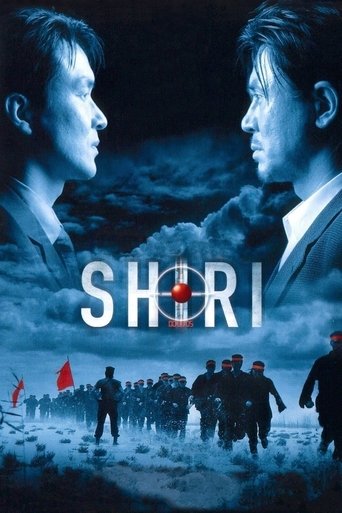
One of the blockbusters that established Korean cinema's late-1990s commercial boom, with Choi caught in an espionage story of divided loyalties.
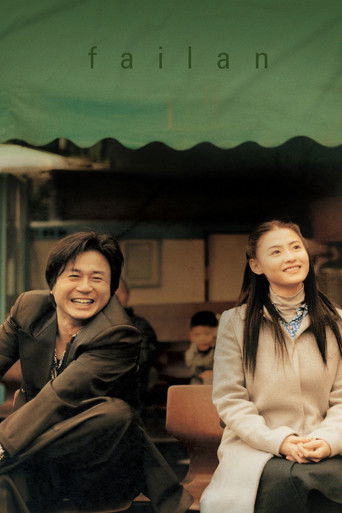
A bruised melodrama where his gangster character discovers tenderness through a paper marriage and a life already lost.
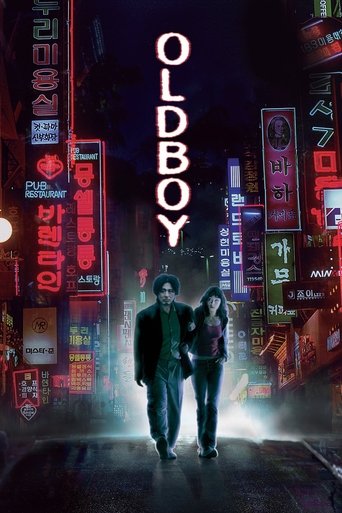
A revenge tragedy built around imprisonment, obsession, and a revelation that changes the meaning of everything before it.
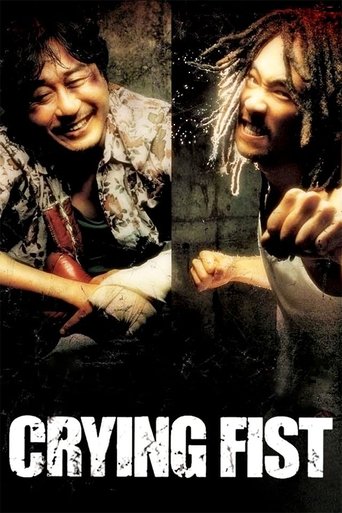
A battered boxing drama that turns failure, pride, and middle-aged desperation into raw physical endurance.

A smaller but memorable presence in Park Chan-wook's revenge cycle, carrying the shadow of unforgivable violence.
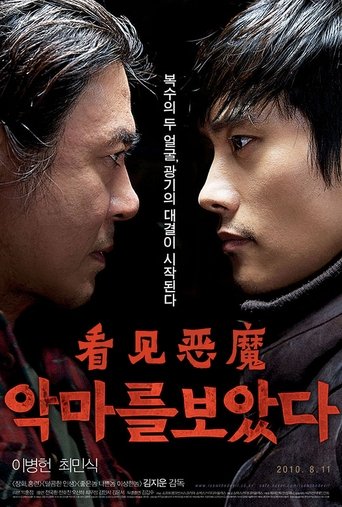
Choi gives the killer an ugly physical presence and unpredictable survival instinct, making every encounter feel unsafe.
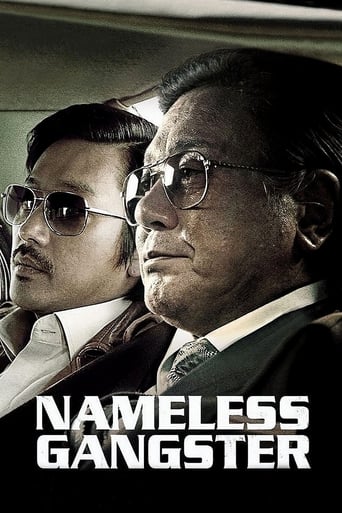
A dense crime film about power, opportunism, and masculinity, with Choi playing social survival as both comedy and menace.
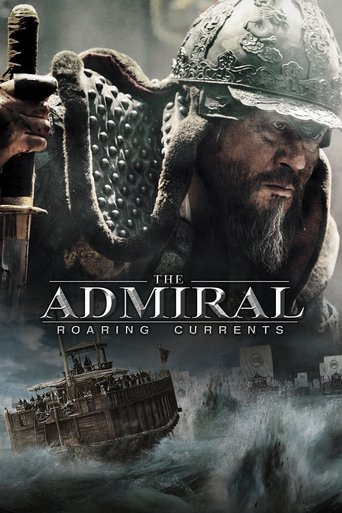
A large naval epic in which he plays Admiral Yi Sun-sin with stern restraint, showing command as a form of physical exhaustion.
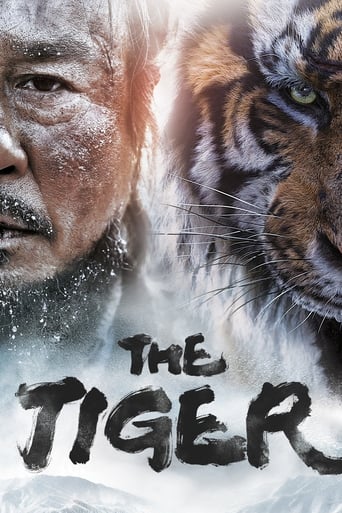
A colonial-era hunting epic that lets him carry grief, age, wilderness, and doomed dignity almost alone.
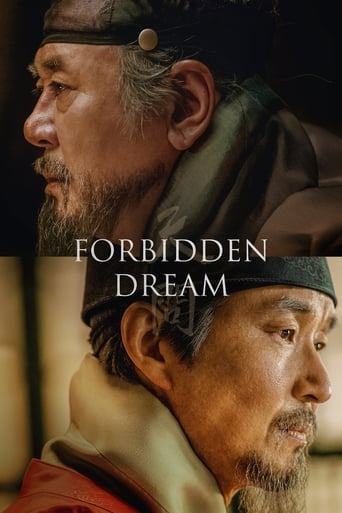
A historical drama pairing royal power with scientific imagination, giving Choi a quieter register of loyalty and intellect.
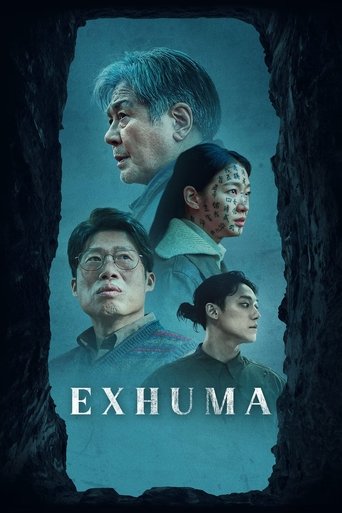
As a veteran geomancer, he treats supernatural danger like difficult professional work: cautiously, pragmatically, and without mystification.
The films above contain his best-known performances. The surrounding work shows how he avoided repeating the rage and physical extremity that made Oldboy famous.
| Year | Title | Medium | Why it matters |
|---|---|---|---|
| 1999 | Happy End | Film | An early example of how quietly he can play domestic cruelty and moral collapse. |
| 2014 | Lucy | Film | A supporting role that shows how recognizable he had become outside Korean cinema. |
| 2022 | In Our Prime | Film | A gentler late-career role in which restraint carries more authority than threat. |
| 2022-2023 | Big Bet / Casino | Series | A long-form crime role that gives his aging patriarch room to accumulate power, fear, and self-deception across sixteen episodes. |
The timeline shows an actor repeatedly changing scale: commercial thriller, intimate melodrama, international cult film, historical blockbuster, streaming series, and occult hit.
Shiri placed Choi inside the moment when Korean commercial cinema began competing at blockbuster scale. His presence already suggested that genre entertainment could carry political division, institutional pressure, and human damage.
Failan depends on bruised tenderness. Two years later, Oldboy asks the same actor to make imprisonment, appetite, and rage physically overwhelming. The contrast established his range for audiences inside and outside Korea.
Crying Fist, Lady Vengeance, and I Saw the Devil put his body through humiliation, punishment, and monstrosity. The violence remains specific to each character instead of becoming interchangeable shock.
Nameless Gangster turns social climbing into comedy and threat. The Admiral requires disciplined command, while The Tiger pares the performance down to grief, age, and a hunter's knowledge of the landscape.
Forbidden Dream and Exhuma use a quieter register. Choi now draws authority from fatigue, professional knowledge, and the patience to let other actors control a scene before he answers.
Choi has worked comfortably in director-led films and mass-market hits, a combination few actors sustain for this long. His performances have received recognition from the Baeksang Arts Awards, Blue Dragon Film Awards, and Grand Bell Awards. For many viewers outside Korea, Oldboy was their first encounter with both Choi and the harder edge of Korean genre cinema.
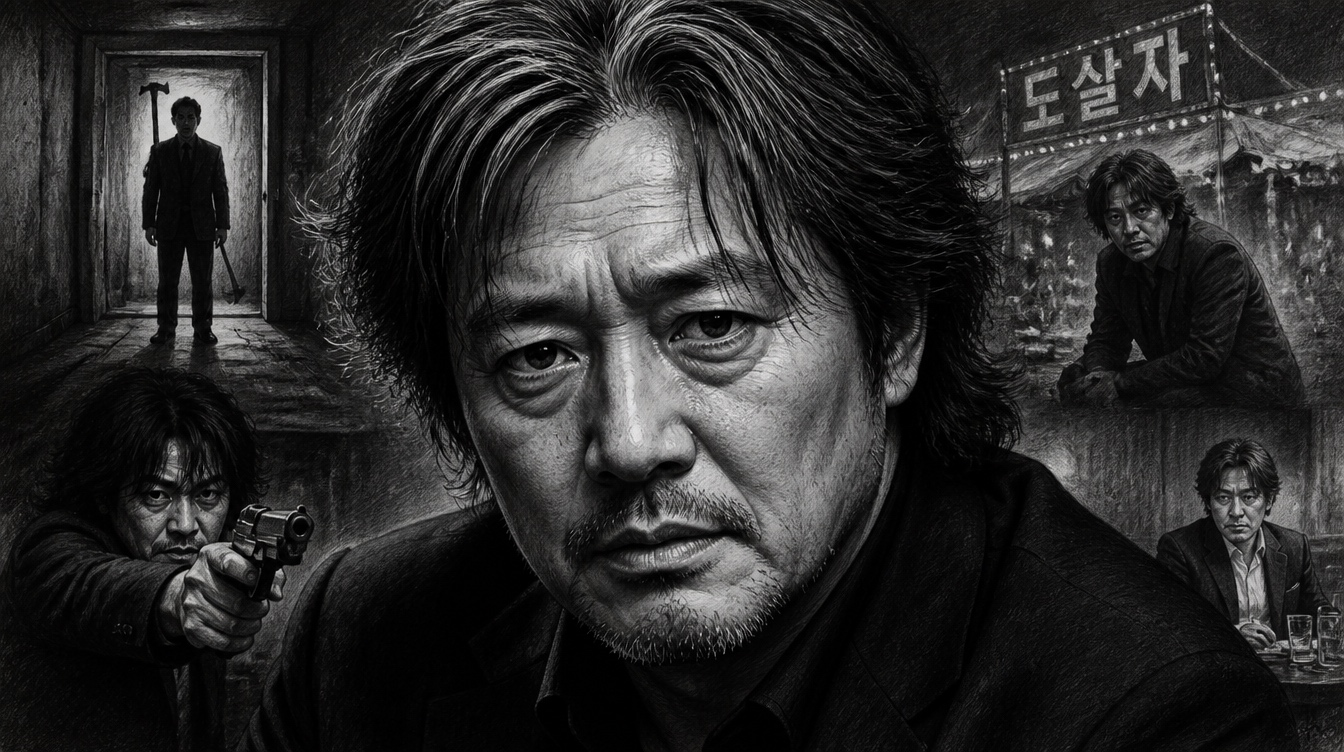
I return to Choi Min-sik for the amount of lived detail he can put into a role. Social class, appetite, embarrassment, and private shame appear in small choices before the plot names any of them.
His best characters are damaged people placed under public pressure: a failed gangster facing a stranger's death, a prisoner consumed by revenge, a naval commander responsible for frightened sailors, or a geomancer confronting violence buried with the dead. Choi lets them remain compromised, which is why they continue to feel alive after the film ends.
崔岷植拥有现代韩国电影中辨识度最高的面孔之一。他一出场,画面便多了一层压力和粗粝感,仿佛人物的屈辱与愤怒早在开机前就积累了很久。他能把人演得可怕,却不把人压成漫画式反派;也能演出创伤,而不向观众索取廉价同情。
《老男孩》让他获得国际声誉,但复仇片只是其作品的一部分。他主演过历史史诗、犯罪片和连环杀手惊悚片,也演过无处躲避自身失败的中年人。
崔岷植会演出一具身体的来历。驼背、呼吸、吃东西或抬高嗓门的方式,都能让人想到多年劳动、债务、酒局、警署、家庭羞耻或战争经历。即使表演趋于夸张,这些细节仍把人物留在可辨认的社会现实中。他可以从怪诞暴怒转入疲惫沉默,前后仍像同一个人。
他成长于韩国类型电影开始承受严肃道德压力的一代。在他最出色的作品中,暴力总会留下后果:它暴露人物失去了什么、周围人默许了什么,以及复仇、腐败、爱国或艰难求生之后还剩多少尊严。
崔岷植的职业轨迹对应着现代韩国电影的几次变化。他把舞台训练带入 1990 年代末的商业电影繁荣期,凭《老男孩》成为国际邪典电影人物,随后主演国民级历史大片,晚近则更多出演依靠年龄、知识与经验建立权威的角色。
奠定韩国电影 1990 年代末商业繁荣的大片之一,崔岷植置身于谍战、南北分裂与忠诚冲突之中。
一部带伤的爱情悲剧,他饰演的边缘黑帮人物通过一段纸面婚姻,迟来地理解温柔与失去。
一部关于囚禁、复仇与执念的悲剧,最后的真相会彻底改变此前所有情节的含义。
拳击题材下的失败者叙事,把尊严、衰败和中年困兽般的体力感推到台前。
朴赞郁复仇三部曲中挥之不去的阴影,他的角色让不可宽恕的暴力获得了具体面孔。
崔岷植赋予凶手丑陋的肉身感和难以预判的求生本能,让每次相遇都充满危险。
关于权力、机会主义和男性社会的犯罪片,他把生存本能演得既滑稽又危险。
大规模海战史诗,他以严厉克制的方式塑造李舜臣,也把指挥演成一种身体上的疲惫。
殖民背景下的猎虎史诗,让他几乎独自承载衰老、丧子、荒野和宿命感。
历史题材中关于君主、科学与忠诚的作品,展现他更沉静、克制的表演面。
他把老练的风水师演成一名谨慎务实的专业人员,像处理艰难工作一样面对超自然危险,不故作神秘。
上面的电影包含他最知名的表演,周边作品则说明他如何避免重复《老男孩》带来的愤怒形象与身体极限。
| 年份 | 作品 | 媒介 | 意义 |
|---|---|---|---|
| 1999 | 《快乐到死》 | 电影 | 可以看到他如何用很轻的表演处理家庭残酷与道德崩塌。 |
| 2014 | 《超体》 | 电影 | 这个配角说明当时的他在韩国电影圈之外已具有相当高的辨识度。 |
| 2022 | 《数学家》 | 电影 | 一个温和的后期角色,克制比威吓更能建立权威。 |
| 2022-2023 | 《赌命为王》 | 剧集 | 十六集的篇幅让这个衰老的犯罪家长逐步积累权力、恐惧与自我欺骗。 |
这条时间线记录了他如何不断改变作品尺度:商业惊悚片、私人情感剧、国际邪典电影、历史大片、流媒体剧集,以及卖座的民俗恐怖片。
《生死谍变》把崔岷植放在韩国商业电影开始以大片规模竞争的节点。他的存在已经说明:类型娱乐可以承载南北分裂、制度压力和人的损伤。
《白兰》依赖带伤的温柔。两年后的《老男孩》却要求同一名演员把囚禁、欲望与愤怒演到压倒性的程度。这种反差让韩国国内外观众看清了他的表演跨度。
《哭泣的拳头》《亲切的金子》《看见恶魔》让他的身体经历屈辱、惩罚和怪物化。片中暴力始终对应具体人物,不会沦为可以互换的刺激场面。
《与犯罪的战争》把社会攀爬演成喜剧与威胁;《鸣梁海战》要求严密克制的指挥感;《大虎》则把表演收束到悲伤、衰老和猎人对山林的了解。
《天文:问天》和《破墓》使用更安静的表演方式。崔岷植如今会用疲惫、专业知识和等待来建立权威,常让其他演员先控制场面,再给出回应。
崔岷植长期往返于导演主导的作品和大众商业片,能把两类电影都演好的人并不多。他的表演曾获得百想艺术大赏、青龙电影奖和大钟奖等韩国主要奖项的认可。对许多海外观众来说,《老男孩》既是第一次认识崔岷植,也是第一次接触韩国类型电影更冷硬的一面。
我反复观看崔岷植,是因为他能在角色里放入大量生活细节。阶层、食欲、窘迫和私人羞耻,往往在情节说破之前就已经出现在小动作里。
他最好的角色都是被推到公共压力下的受损之人:面对陌生人死亡的失败黑帮人物、被复仇吞噬的囚徒、必须为惊恐士兵负责的水师统帅,以及直面墓中暴力的风水师。崔岷植允许他们继续矛盾和不体面,因此电影结束后仍像活人。