Private Reading Shelf / Science Fiction私人阅读书架 / 科幻文学

Favorite Science Fiction Novels个人最爱的科幻小说

A personal constellation of science fiction writers and representative works. Philip K. Dick and Robert Sheckley are placed first intentionally: one bends reality until identity leaks, the other turns cosmic absurdity into clean, mischievous architecture.这是一组属于个人阅读星图的科幻作家与代表作。把 Philip K. Dick 和 Robert Sheckley 放在最前并非偶然:前者不断扭曲现实,直到身份边界开始渗漏;后者则把宇宙级荒诞整理成轻巧、锋利而又带着恶作剧气息的结构。

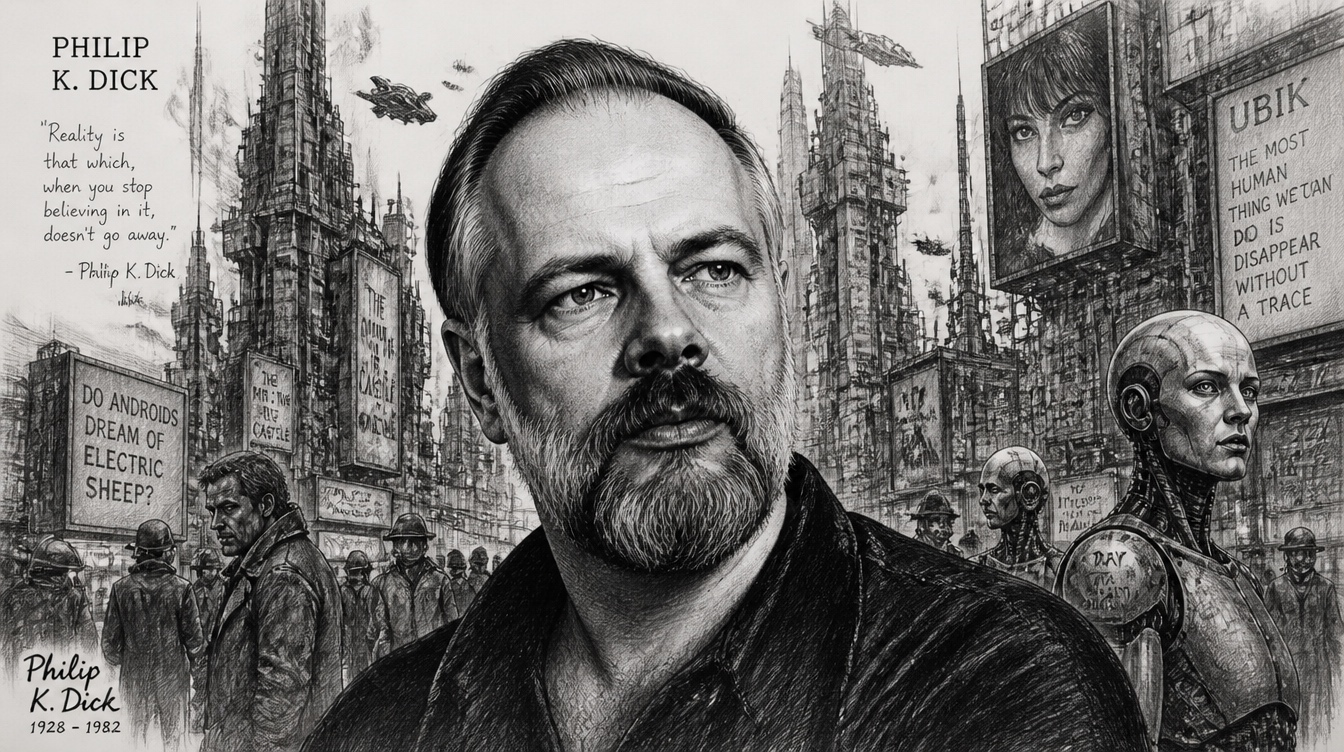
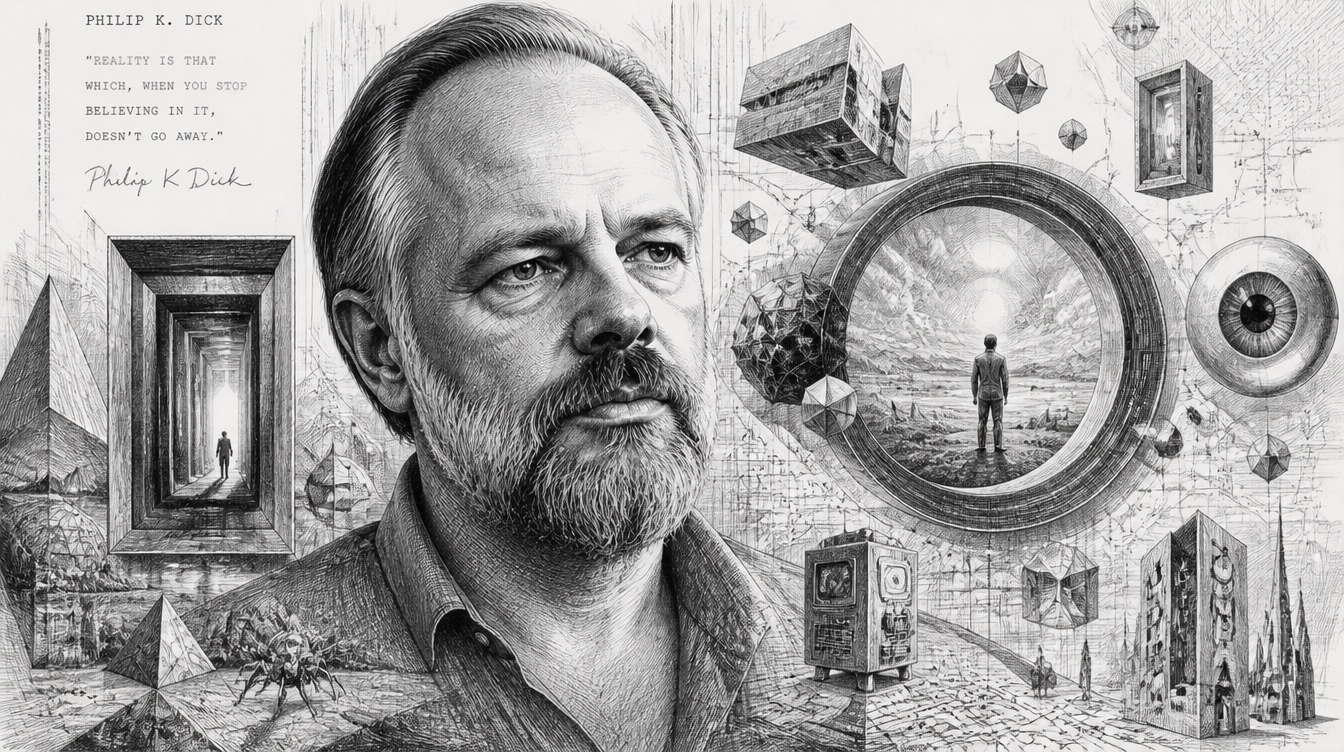
Philip K. Dick themed visual
Author Dossier作者专题

Philip K. Dick菲利普·K·迪克

Reality leakage, unstable identity, and the metaphysics of ordinary life现实渗漏、身份失稳与日常生活的形而上裂缝

Philip K. Dick remains one of the central architects of modern science fiction because he turned reality itself into a contested zone. In his fiction, memory can be manufactured, identity can be administratively rewritten, divinity can arrive through broken signals, and commercial life can become indistinguishable from metaphysical hallucination. Dick remains indispensable for his extraordinary account of consciousness when truth, selfhood, and the world begin to lose their fixed edges; his prophetic imagination is only part of that achievement.菲利普·K·迪克一直处在现代科幻的中心。他的预言性想象固然醒目,更重要的是,他把“现实本身”写成了一块持续争夺中的区域。在他的小说里,记忆可以被制造,身份可以被制度性地改写,神性可能通过破碎的信号降临,而商业日常也可能在下一秒就与形而上的幻觉混成一体。迪克真正不可替代的地方,在于他极其精准地写出了这样一种意识状态:当真相、自我与世界的边界同时开始松动时,人究竟会怎样感知自身。

His best work moves between paranoia and tenderness, theological dread and bureaucratic absurdity, always asking whether empathy can survive systems designed to flatten the human person. Even when he writes androids, police states, fake histories, or narcotic distortion, the real subject is often spiritual exhaustion inside late modernity.他最好的作品总是在偏执与温柔、神学恐惧与官僚荒诞之间来回摆动,并不断追问:在那些专门把人压扁的制度之中,同情心是否仍有可能存活。即便他写的是仿生人、警察国家、伪造历史或药物扭曲,真正的主题往往仍然是现代晚期人的精神耗竭,以及人在失真世界里对真实关系的最后坚持。

Major Works主要作品

  • Do Androids Dream of Electric Sheep? 《仿生人会梦见电子羊吗?》
  • Ubik 《尤比克》
  • The Man in the High Castle 《高堡奇人》
  • A Scanner Darkly 《暗黑扫描仪》
  • VALIS 《瓦利斯》
  • Flow My Tears, the Policeman Said 《泪流吧,我的警察先生》
  • The Three Stigmata of Palmer Eldritch 《帕莫·艾德里奇的三处圣痕》
  • Martian Time-Slip 《火星时移》
  • Time Out of Joint 《时间脱节》
  • Radio Free Albemuth 《阿尔贝穆斯自由电台》

A practical entry path is to begin with Do Androids Dream of Electric Sheep?, move to Ubik and A Scanner Darkly, and then read VALIS once Dick's spiritual and epistemic obsessions have become familiar.如果想更有效地进入迪克,可以先从《仿生人会梦见电子羊吗?》开始,再读《尤比克》和《暗黑扫描仪》,等对他关于现实、身份与精神经验的执念有了感受之后,再进入《瓦利斯》会更容易把握其复杂层次。
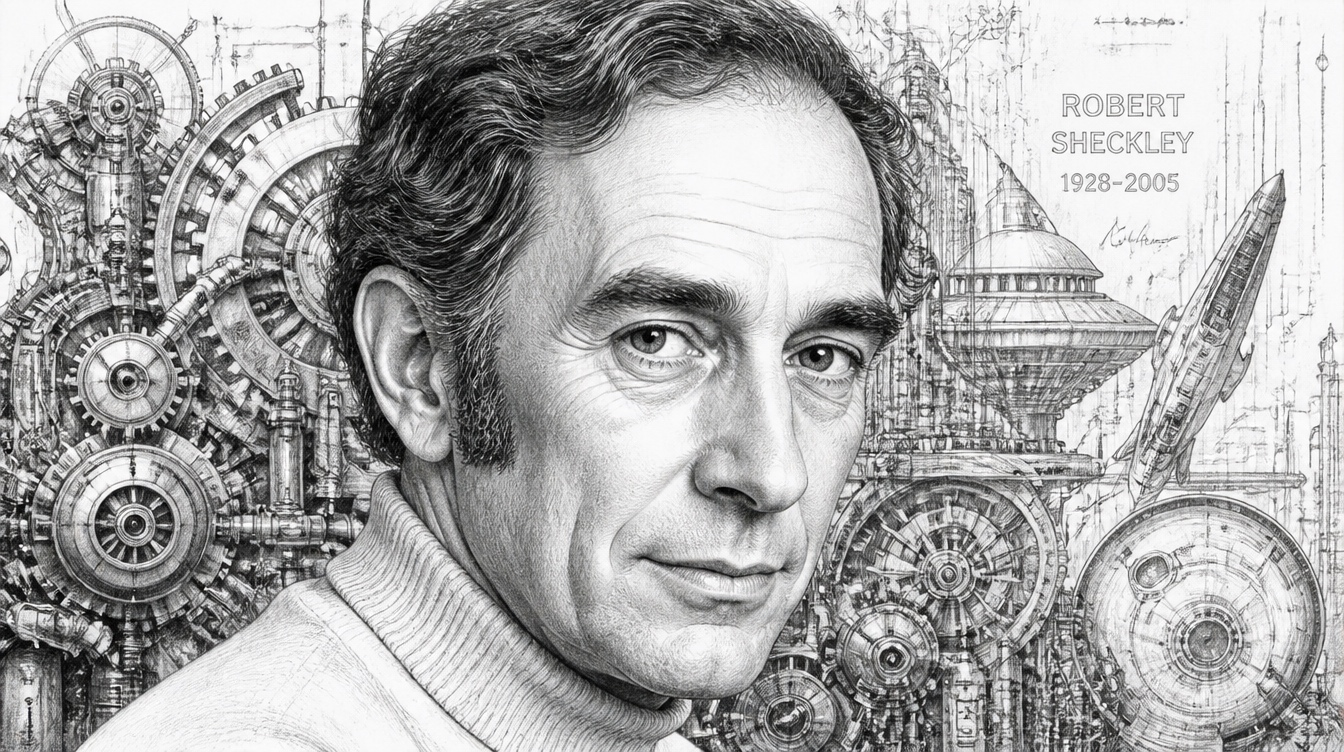
Robert Sheckley themed visual
Author Dossier作者专题

Robert Sheckley罗伯特·谢克里

Cosmic absurdity, satirical precision, and the comic anatomy of systems宇宙级荒诞、讽刺性的精密控制与系统的喜剧解剖

Robert Sheckley occupies a singular position in twentieth-century science fiction because he could make absurdity feel structurally exact. His stories are full of impossible bureaucracies, grotesque markets, misfiring social rules, and planets governed by ridiculous premises, yet the comedy never dissolves into mere whimsy. Sheckley writes as if the universe were a prank executed with engineering discipline.罗伯特·谢克里在二十世纪科幻中有一种很难替代的位置,因为他能把“荒诞”写得极其精确。他的小说里充满了不可能的官僚体制、畸形的市场逻辑、失灵的社会规则,以及建立在荒谬前提之上的星球世界;但这些元素从来不会滑向松散的滑稽,而总是被组织得异常紧密。谢克里的独特之处在于:他仿佛把整个宇宙都当成一场恶作剧来写,却又始终保持工程师式的结构控制。
What looks light in Sheckley is usually sharp. He is brilliant at exposing how institutions rationalize nonsense, how human beings normalize the preposterous, and how comedy can become the cleanest possible instrument of philosophical diagnosis. If Dick destabilizes reality from within, Sheckley often shows how entire worlds become orderly only by accepting madness as procedure.谢克里看上去轻巧的地方,往往恰恰最锋利。他极擅长揭示制度如何把荒谬合理化,人如何在日常中驯化那些本来完全站不住脚的规则,以及喜剧为什么反而能成为最清洁的哲学诊断工具。若说迪克是从内部瓦解现实,那么谢克里则写出了另一面:一个世界之所以能运转,往往只是因为所有人已经把疯狂当成了流程。

Major Works主要作品

  • Dimension of Miracles 《奇迹之维》
  • The Status Civilization 《等级文明》
  • Mindswap 《心灵互换》
  • Store of Infinity 《无限商店》
  • Immortality, Inc. 《永生公司》
  • Journey Beyond Tomorrow 《明日之外的旅程》
  • Pilgrimage to Earth 《朝圣地球》
  • Citizen in Space 《宇宙公民》
  • Untouched by Human Hands 《未被人手触碰》
  • Options 《选择》

A strong reading path is to begin with Dimension of Miracles, then move to Mindswap and The Status Civilization, and finally widen outward into the short-story collections, where Sheckley's satirical mechanics appear in their purest form.如果想较系统地读谢克里,可以先从《奇迹之维》开始,再进入《心灵互换》和《等级文明》,之后再扩展到他的短篇集,因为他最纯粹的讽刺机制、最锋利的结构控制,往往恰好体现在那些短篇作品里。

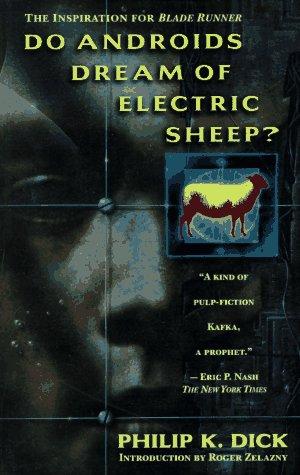
Do Androids Dream of Electric Sheep? cover
Do Androids Dream of Electric Sheep?
Philip K. Dick 菲利普·迪克
Representative work: Do Androids Dream of Electric Sheep?

His fiction treats reality as something unstable, bureaucratic, theological, commercial, and deeply personal. The best Dick stories feel less like predictions than diagnostic instruments for modern consciousness.

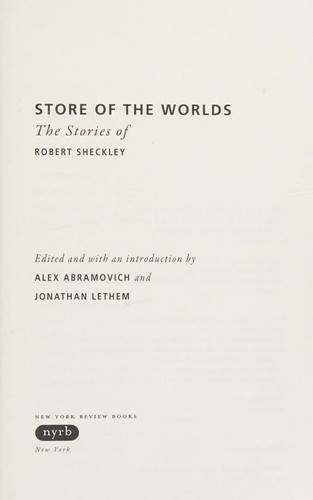
Dimension of Miracles cover
Dimension of Miracles
Robert Sheckley 罗伯特·谢克里
Representative work: Dimension of Miracles

Sheckley makes absurdity precise. His universes behave like jokes with engineering drawings behind them, where cosmic rules are ridiculous but always internally sharp.

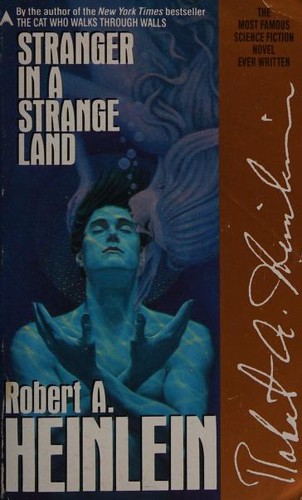
Stranger in a Strange Land cover
Stranger in a Strange Land
Robert A. Heinlein 罗伯特·海因莱因
Representative work: Stranger in a Strange Land

Heinlein writes freedom, competence, social design, and ideological tension with a brash confidence that shaped the language of modern science fiction.

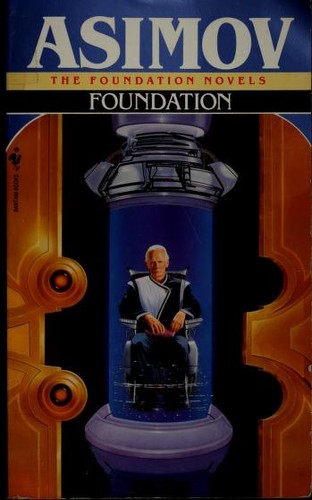
Foundation cover
Foundation
Isaac Asimov 艾萨克·阿西莫夫
Representative work: Foundation

Asimov turns history into mechanism: institutions, prediction, empire, and rational systems become the moving parts of a grand intellectual machine.

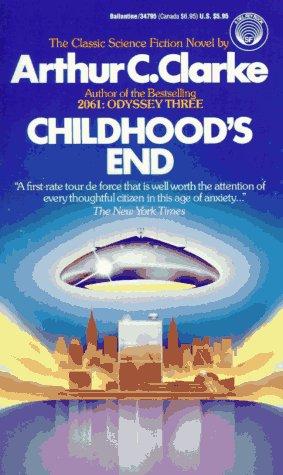
Childhood's End cover
Childhood's End
Arthur C. Clarke 阿瑟·克拉克
Representative work: Childhood's End

Clarke's strongest work carries a clean astronomical awe: humanity is small, intelligence is vast, and transcendence often arrives with a terrible calm.

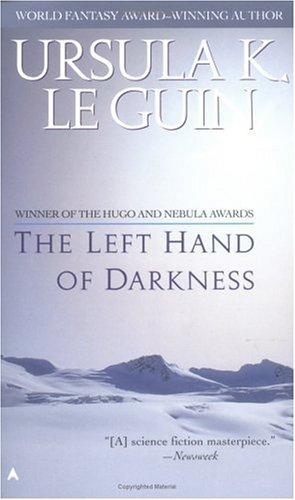
The Left Hand of Darkness cover
The Left Hand of Darkness
Ursula K. Le Guin 厄休拉·勒古恩
Representative work: The Left Hand of Darkness

Le Guin makes anthropology, language, gender, ecology, and myth feel inseparable. Her planets are not settings; they are moral climates.

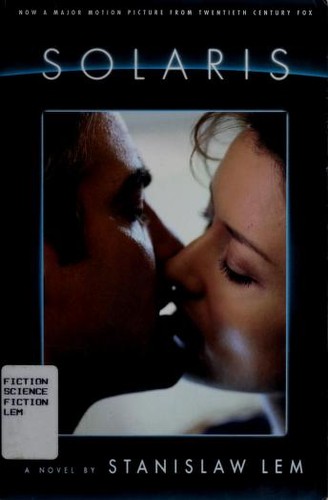
Solaris cover
Solaris
Stanislaw Lem 斯坦尼斯瓦夫·莱姆
Representative work: Solaris

Lem is unmatched at making contact with intelligence feel genuinely alien. His best fiction is philosophical, coldly funny, and suspicious of human vanity.

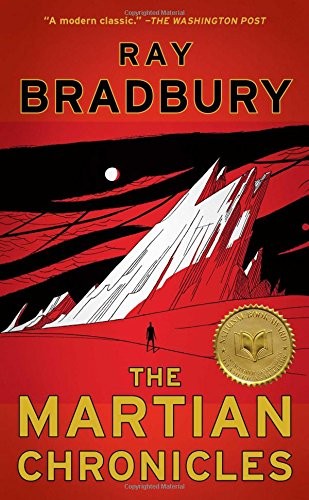
The Martian Chronicles cover
The Martian Chronicles
Ray Bradbury 雷·布拉德伯里
Representative work: The Martian Chronicles

Bradbury writes science fiction as memory, weather, childhood, fear, and elegy. His Mars is less a planet than a mirror held to longing.

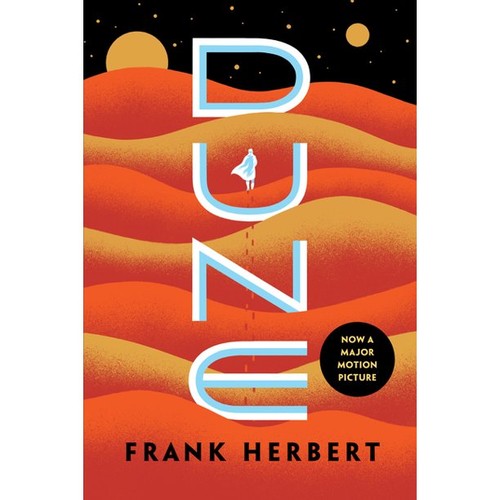
Dune cover
Dune
Frank Herbert 弗兰克·赫伯特
Representative work: Dune

Herbert fuses ecology, empire, religion, resource politics, and messianic danger into one of the genre's most durable systems novels.

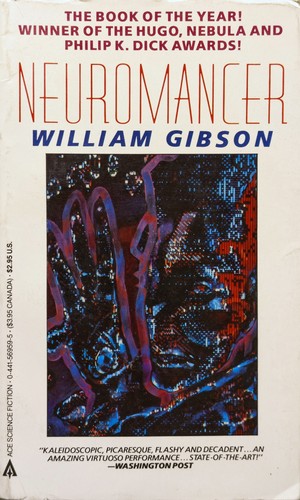
Neuromancer cover
Neuromancer
William Gibson 威廉·吉布森
Representative work: Neuromancer

Gibson gave cyberspace texture before the world had vocabulary for it. His prose makes technology feel fashionable, dirty, haunted, and inevitable.

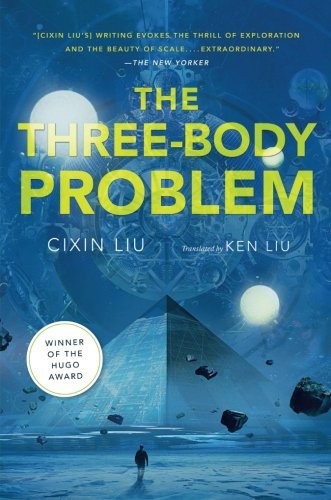
The Three-Body Problem cover
The Three-Body Problem
Liu Cixin 刘慈欣
Representative work: The Three-Body Problem

Liu Cixin restores a huge engineering scale to cosmic fiction, where civilization, physics, fear, and survival are stretched across centuries.

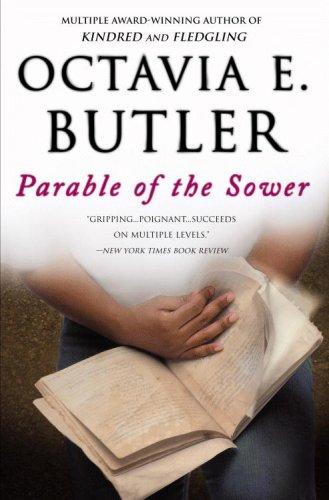
Parable of the Sower cover
Parable of the Sower
Octavia E. Butler 奥克塔维娅·巴特勒
Representative work: Parable of the Sower

Butler writes power, adaptation, body, community, and survival with painful clarity. Her futures feel social before they feel technological.

The War of the Worlds cover
The War of the Worlds
H. G. Wells 赫伯特·乔治·威尔斯
Representative work: The War of the Worlds

Wells is the early architect of speculative premises that still power the genre: invasion, time travel, invisibility, evolution, and social experiment.

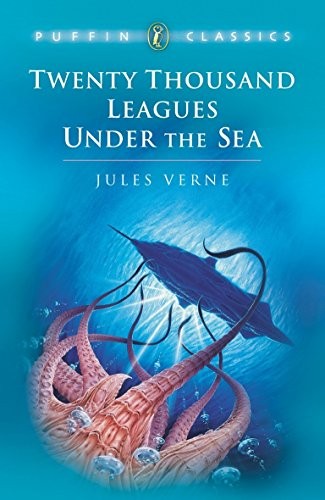
Twenty Thousand Leagues Under the Seas cover
Twenty Thousand Leagues Under the Seas
Jules Verne 儒勒·凡尔纳
Representative work: Twenty Thousand Leagues Under the Seas

Verne's sense of invention is concrete and navigational. His machines promise wonder because they feel almost buildable.

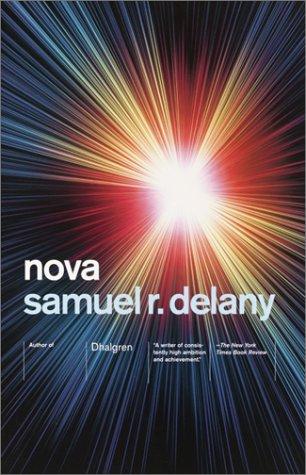
Nova cover
Nova
Samuel R. Delany 塞缪尔·德拉尼
Representative work: Nova

Delany brings literary density, mythic structure, social complexity, and linguistic daring into space opera and speculative cities.

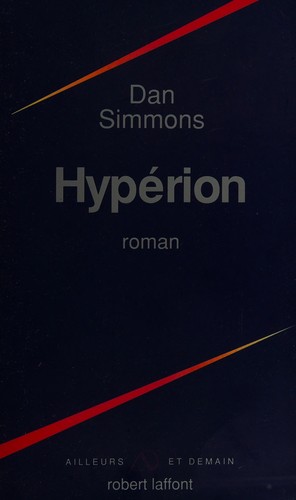
Hyperion cover
Hyperion
Dan Simmons 丹·西蒙斯
Representative work: Hyperion

Simmons builds a pilgrimage of genres: military fiction, horror, romance, theology, cybernetics, and literary allusion orbit one another.

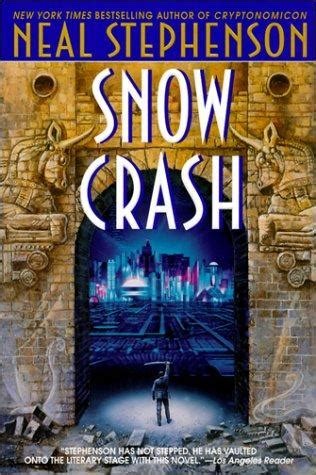
Snow Crash cover
Snow Crash
Neal Stephenson 尼尔·斯蒂芬森
Representative work: Snow Crash

Stephenson's fiction loves systems: code, money, logistics, language, infrastructure, and history all become playgrounds for high-speed speculation.

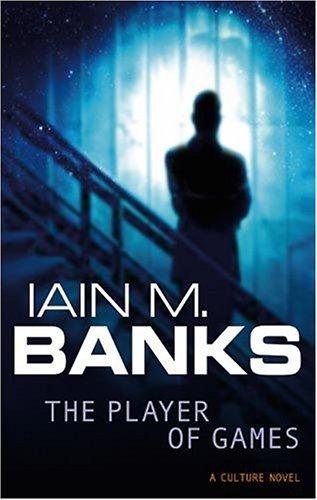
The Player of Games cover
The Player of Games
Iain M. Banks 伊恩·M·班克斯
Representative work: The Player of Games

Banks makes post-scarcity civilization feel playful, dangerous, morally complicated, and full of elegant machines with suspiciously human taste.

Red Mars cover
Red Mars
Kim Stanley Robinson 金·斯坦利·罗宾逊
Representative work: Red Mars

Robinson writes planetary futures as geology, politics, labor, climate, and time. His science fiction is patient enough to watch systems change.

Frankenstein cover
Frankenstein
Mary Shelley 玛丽·雪莱
Representative work: Frankenstein

Shelley gives the genre one of its founding moral engines: invention without care, intelligence without belonging, and responsibility arriving too late.

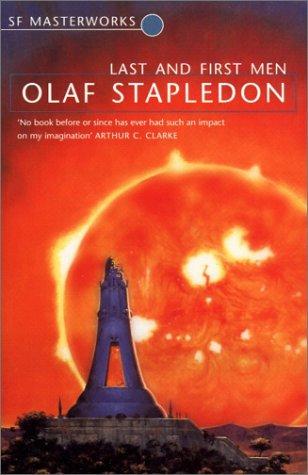
Last and First Men cover
Last and First Men
Olaf Stapledon 奥拉夫·斯塔普尔顿
Representative work: Last and First Men

Stapledon writes at civilizational and cosmic scale, turning humanity into one chapter in an enormous speculative history of mind.

The Rediscovery of Man cover
The Rediscovery of Man
Cordwainer Smith 考德维纳·史密斯
Representative work: The Rediscovery of Man

Smith's Instrumentality stories feel like myths recovered from a future religion: strange, elegant, wounded, and unlike anyone else's science fiction.

The Stars My Destination cover
The Stars My Destination
Alfred Bester 阿尔弗雷德·贝斯特
Representative work: The Stars My Destination

Bester writes with speed, typography, violence, and psychological electricity. His best work still feels modern because it refuses to sit still.

Gateway cover
Gateway
Frederik Pohl 弗雷德里克·波尔
Representative work: Gateway

Pohl's science fiction is sharp about markets, institutions, risk, and compromise. The future is wondrous, but someone is always pricing the ticket.

Lord of Light cover
Lord of Light
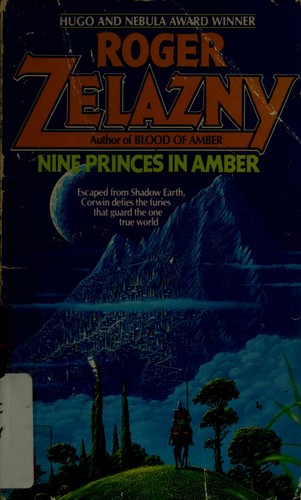
Roger Zelazny 罗杰·泽拉兹尼
Representative work: Lord of Light

Zelazny fuses myth, style, and science-fiction machinery with unusual grace, making technology feel like theology and rebellion like poetry.

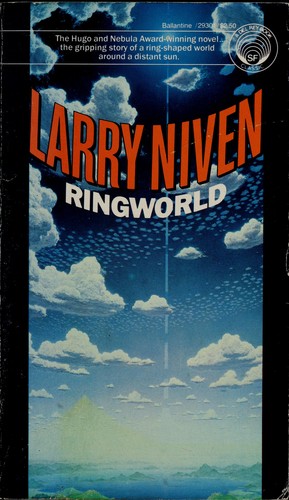
Ringworld cover
Ringworld
Larry Niven 拉里·尼文
Representative work: Ringworld

Niven's best-known work is hard-SF spectacle: huge artifacts, alien ecologies, orbital mechanics, and the pleasure of a premise scaled up until it becomes architecture.

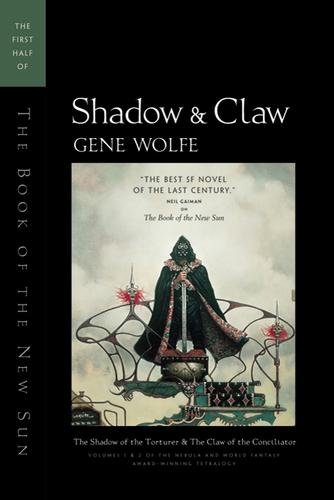
The Book of the New Sun cover
The Book of the New Sun
Gene Wolfe 吉恩·沃尔夫
Representative work: The Book of the New Sun

Wolfe turns science fiction into layered memory, unreliable confession, theology, and puzzle-box language. The future appears as a medieval dream with machines buried underneath.

Doomsday Book cover
Doomsday Book
Connie Willis 康妮·威利斯
Representative work: Doomsday Book

Willis brings comedy, grief, time travel, social observation, and human endurance together with rare tonal control.

The Warrior's Apprentice cover
The Warrior's Apprentice
Lois McMaster Bujold 洛伊丝·麦克马斯特·比约德
Representative work: The Warrior's Apprentice

Bujold's space opera is driven by character intelligence, ethics, disability, family, military systems, and the consequences of trying to be useful.

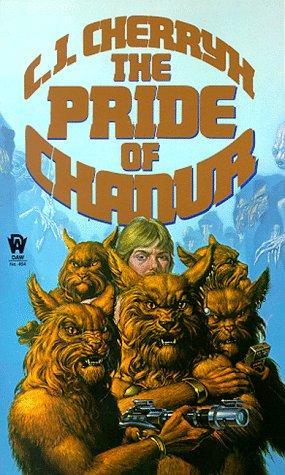
Cyteen cover
Cyteen
C. J. Cherryh C·J·切莉
Representative work: Cyteen

Cherryh excels at political pressure, alien psychology, institutional complexity, and characters navigating systems larger than their understanding.

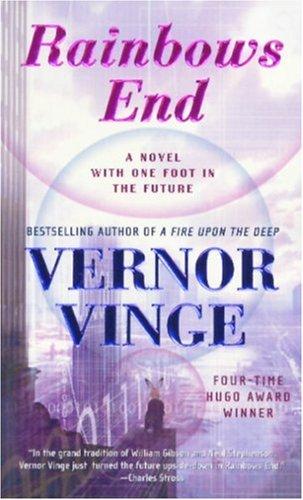
A Fire Upon the Deep cover
A Fire Upon the Deep
Vernor Vinge 弗诺·文奇
Representative work: A Fire Upon the Deep

Vinge made distributed intelligence, networked civilization, and posthuman possibility feel both mathematically thrilling and narratively alive.

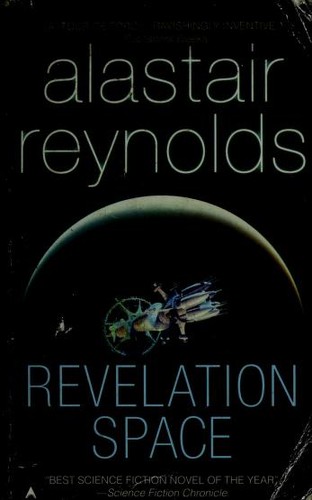
Revelation Space cover
Revelation Space
Alastair Reynolds 阿拉斯泰尔·雷诺兹
Representative work: Revelation Space

Reynolds brings astrophysical scale, deep-time dread, baroque machinery, and gothic mood into hard science fiction.

Perdido Street Station cover
Perdido Street Station
China Mieville 柴纳·米耶维
Representative work: Perdido Street Station

Mieville's speculative cities are political, grotesque, linguistic, and dense with invented life. His genre borders rarely stay where they are told.

Ancillary Justice cover
Ancillary Justice
Ann Leckie 安·莱基
Representative work: Ancillary Justice

Leckie reinvigorates imperial space opera through language, embodiment, distributed identity, and the political afterlife of artificial intelligence.

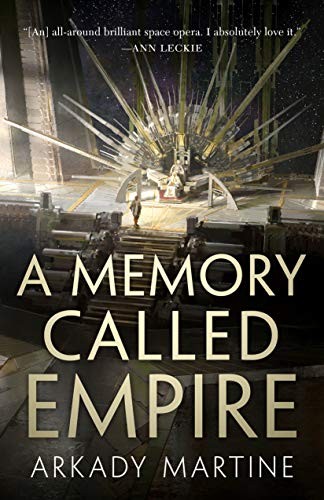
A Memory Called Empire cover
A Memory Called Empire
Arkady Martine 阿卡迪·马丁
Representative work: A Memory Called Empire

Martine writes empire, language, diplomacy, memory technology, and cultural desire with the precision of someone who understands institutions from the inside.

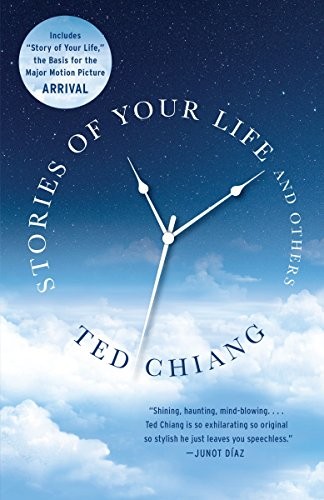
Stories of Your Life and Others cover
Stories of Your Life and Others
Ted Chiang 特德·姜
Representative work: Stories of Your Life and Others

Chiang turns speculative premises into moral proofs. His stories are compact, exact, humane, and unusually good at making ideas emotionally legible.

The Hitchhiker's Guide to the Galaxy cover
The Hitchhiker's Guide to the Galaxy
Douglas Adams 道格拉斯·亚当斯
Representative work: The Hitchhiker's Guide to the Galaxy

Adams turns cosmic scale into comic precision. His science fiction treats bureaucracy, language, probability, and panic as perfectly reasonable ways for the universe to misbehave.

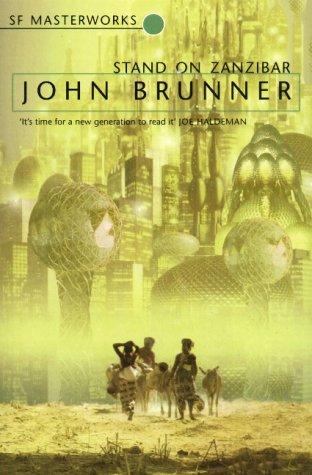
Stand on Zanzibar cover
Stand on Zanzibar
John Brunner 约翰·布鲁纳
Representative work: Stand on Zanzibar

Brunner writes overload before overload became normal: media noise, population pressure, corporate systems, violence, and fragmented attention turned into literary architecture.

Roadside Picnic cover
Roadside Picnic
Arkady and Boris Strugatsky 阿卡季与鲍里斯·斯特鲁伽茨基
Representative work: Roadside Picnic

The Strugatskys make alien contact feel oblique, hazardous, and socially corrosive. Their best work leaves mystery intact while showing how people build economies around the unknowable.