
Hwang Jung-min and His Films黄政民和他的电影
Born 19701970 年出生South Korean actor韩国男演员Warmth, grit, endurance温度、粗粝与耐力Veteran / Ode to My Father / Asura《老手》/《国际市场》/《阿修罗》

Hwang Jung-min is a Korean actor whose screen image combines sweat, decency, street humor, and explosive force. He can play gangsters, fathers, detectives, brokers, and ordinary men pushed into history, always with a recognizable human heat.
His appeal is masculine without becoming cold: work-worn, stubborn, physical, but often still open to shame, loyalty, grief, and absurd laughter.
Hwang's intensity works because he lets the world circulate through the performance. He seems to let the world pass through him: the marketplace, the police station, the factory floor, the mountain, the shamanic ritual, the family table, and the political room. This is why even his larger commercial performances often feel socially inhabited rather than merely heroic.
He has also become one of Korean cinema's key bridges between popular melodrama and hard genre machinery. His warmth can anchor a national family epic, but the same warmth can curdle inside corruption thrillers, crime films, and political histories. He makes sincerity useful without making it simple.
Before he became a mass-market film star, Hwang Jung-min built his reputation through stage and musical work. That background still shows up in the way he handles rhythm, breath, exhaustion, comic timing, and emotional release. Even when the role is rough or taciturn, his performances rarely feel inert.

A key noir appearance that places him inside Kim Jee-woon's sleek world of loyalty, humiliation, and violence.
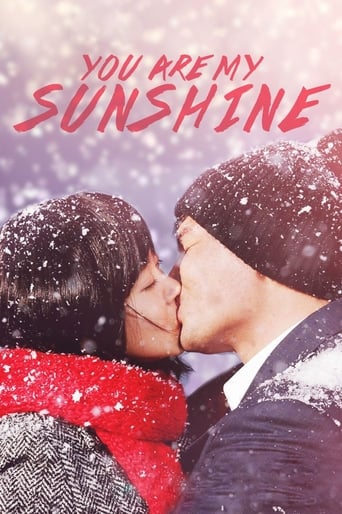
A breakthrough melodrama where his plainspoken sincerity turns love, illness, and stigma into direct emotional force.
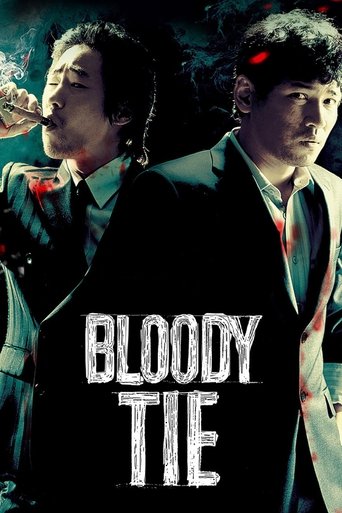
A hard drug-crime film that sharpens his streetwise energy and gives his performance a meaner edge.
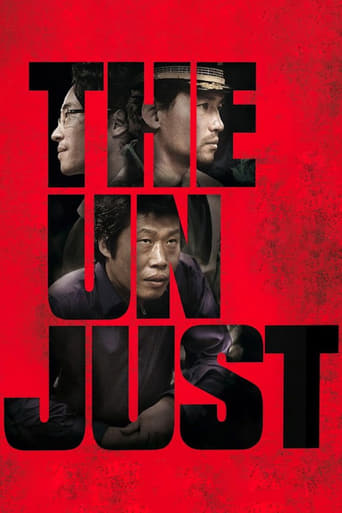
A cynical corruption thriller where law, media, prosecutors, and police all become part of the same machinery.
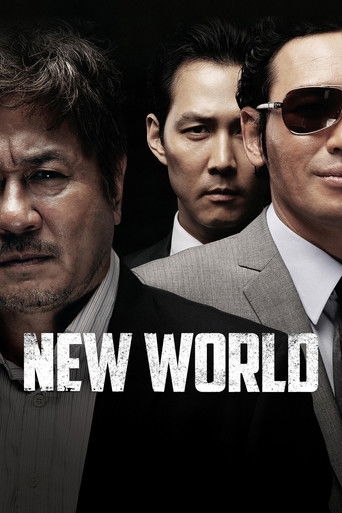
A layered crime epic where friendship, betrayal, and institutional violence grind against one another.
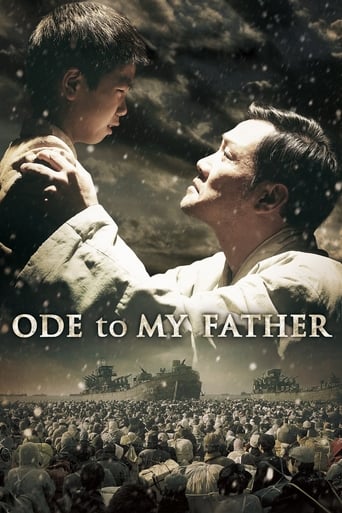
A sweeping melodrama about sacrifice, family, migration, and the costs carried by a generation.
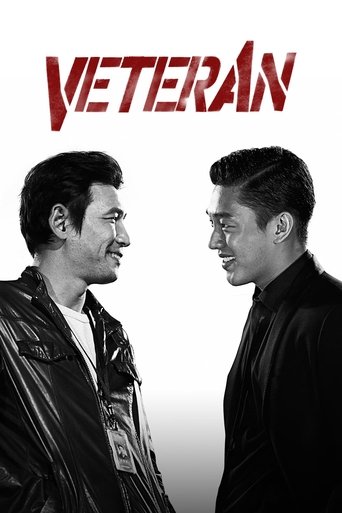
A populist action comedy-thriller where Hwang's detective persona turns persistence into kinetic pleasure.
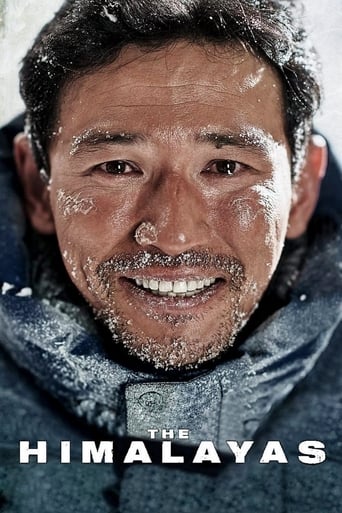
A mountaineering drama that leans into endurance, loyalty, and old-fashioned physical commitment.
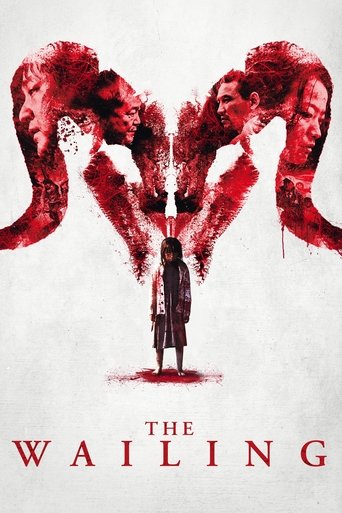
A folk-horror nightmare in which his shamanic presence sharpens the film's panic and religious uncertainty.
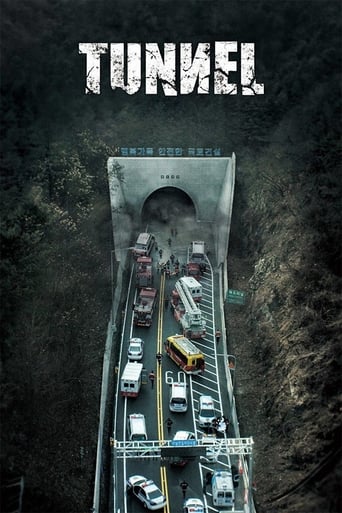
A vicious political noir that lets him play authority as intimidation, rot, and appetite.
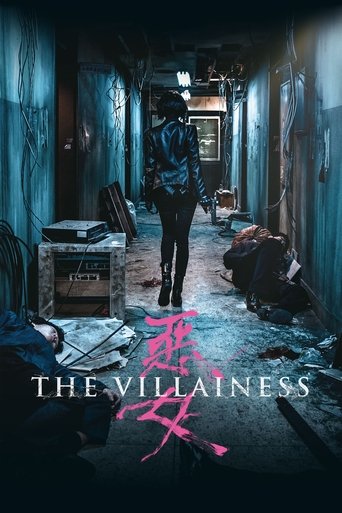
A wartime ensemble spectacle that puts his physical presence inside nationalist memory and survival drama.
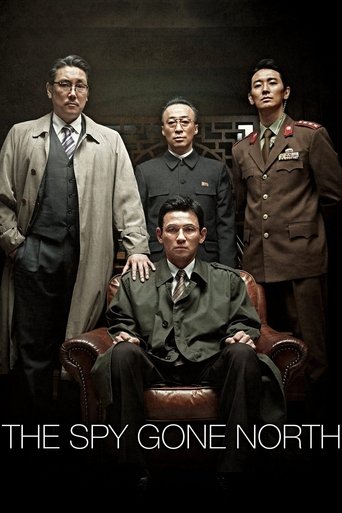
A restrained espionage drama where Hwang works through suspicion, performance, and political pressure.
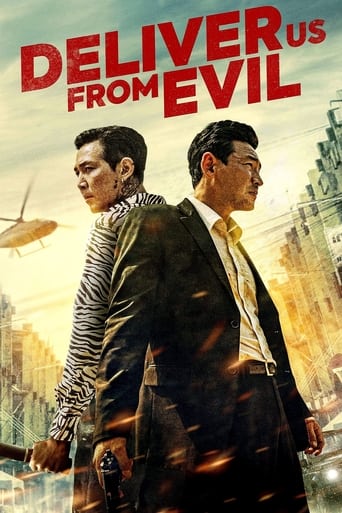
A brutal chase thriller built around guilt, rescue, and the exhausted competence of a former killer.
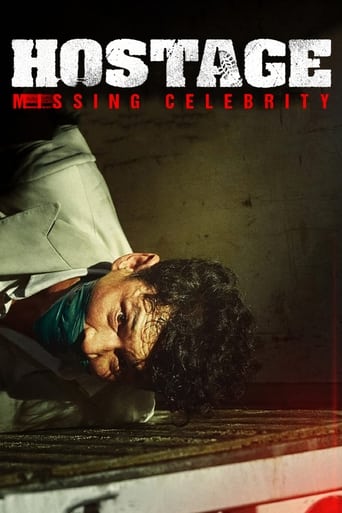
A meta action-thriller in which Hwang plays a star version of himself forced into real danger.
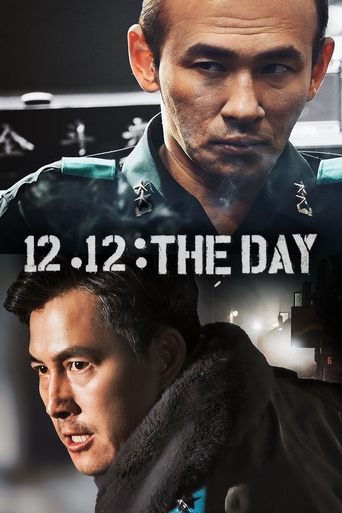
A major political-history drama that returns him to national trauma, institutional force, and moral confrontation.
The films above are the core shelf, but Hwang Jung-min's full value appears more clearly when you also look at the works that sit between genres, between commercial peaks, and between generations of Korean cinema.
| Year | Title | Medium | Why it matters |
|---|---|---|---|
| 2001 | Waikiki Brothers | Film | An early key work for reading his relation to failed ambition, musical melancholy, and ordinary lives that never became grand narratives. |
| 2012 | Dancing Queen | Film | Useful if you want to see his comic elasticity and populist warmth without the harder violence of his crime roles. |
| 2014 | Kundo: Age of the Rampant | Film | Shows how well he can plug into historical ensemble action while still feeling mischievous, coarse, and socially specific. |
| 2022 | Narco-Saints | Series | An OTT-era expansion of his charisma into long-form crime storytelling and international streaming visibility. |
| 2023 | The Point Men | Film | Important for seeing his later-career middle-aged register: crisis management, bureaucratic frustration, and emotionally restrained urgency. |
Hwang Jung-min's filmography moves through melodrama, noir, crime spectacle, folk horror, espionage, and political history while keeping a recognizably human temperature at the center.
You Are My Sunshine made his plain sincerity widely visible, while A Bittersweet Life placed him inside a colder noir grammar. The contrast established his range between open-hearted emotion and violent underworld pressure.
The Unjust sharpened his relation to corruption systems; New World turned loyalty and betrayal into a crime epic. Hwang's gift here is making institutions feel personal, as if every hierarchy presses directly against the body.
Ode to My Father made him a vessel for generational sacrifice; Veteran gave him populist kinetic pleasure; The Wailing let him disturb the frame as religious uncertainty. This period made his mainstream power unmistakable.
The Battleship Island, The Spy Gone North, Deliver Us from Evil, and Hostage move him through spectacle, restraint, action exhaustion, and meta-stardom. He becomes both a character actor and a public image the films can use knowingly.
12.12: The Day returns Hwang to institutional force, national trauma, and moral confrontation. The performance matters because it treats history not as costume, but as pressure moving through rooms, voices, and decisions.
Hwang Jung-min belongs to the small group of Korean actors who are simultaneously critic-facing, audience-facing, and industry-trusted. He has been repeatedly present in the major Korean film-award conversation, especially through the Baeksang Arts Awards, Blue Dragon Film Awards, and Grand Bell Awards, while also headlining films that became major box-office events.

Hwang Jung-min's best work carries the smell of labor and streets. His intensity remains open to the world around him, reacting with impatience, warmth, fear, and blunt moral instinct.
That availability is what separates him from colder star images. In a Hwang performance, the room matters: who has power, who is tired, who is lying, who needs help, who cannot admit fear. He makes those social temperatures legible before the plot explains them.
黄政民的银幕魅力,往往就在那股又热又糙的劲儿里。你能在他身上同时看到汗水味、正派气、街头感和突然炸开的爆发力。黑帮、父亲、刑警、中间人,或者被时代裹挟着往前走的普通男人,他都能演,而且人物一出来就有温度。
他身上的男性气质也不是那种冷硬路线,更像是被生活磨出来的样子:有点疲惫,有点倔,身体感很重,但里面还留着羞耻心、义气、悲伤,甚至一点荒唐的笑意。
黄政民的能量之所以有效,是因为他总能把外部世界带进表演里。菜市场、警局、工厂、山路、巫术现场、饭桌、会议室,这些地方到了他身上是真的会压到人物身上,并非背景。所以即使在大商业片里,他也能让英雄形象带着活生生的社会气息。
他也是韩国电影里少数能把通俗情节剧和硬派类型片都接得很稳的演员。他身上的那股热度,既能撑起家庭史诗,也能在腐败惊悚、犯罪片和政治历史片里慢慢发黑、发沉。难得的是,他演真诚的时候不会让人觉得轻飘,反而总有分量。
在成为国民级电影明星之前,黄政民先通过舞台与音乐剧建立职业基础。这种出身仍然清楚地留在他的表演里:节奏感、呼吸感、身体疲劳、喜剧时机和情绪释放都很扎实。即使角色粗粝寡言,表演本身也很少发闷。
金知云黑色电影中的重要出演,把他放进忠诚、屈辱和暴力构成的冷峻世界。
让他广受关注的爱情悲剧,朴素、真诚,也把疾病、污名和爱推到直接的情感强度里。
硬派毒品犯罪片,放大他的街头气质,也让表演带上更锋利、更危险的一面。
冷峻的腐败惊悚片,法律、媒体、检察与警察都被卷入同一套权力机器。
层次复杂的犯罪史诗,友情、背叛和制度暴力互相碾压。
关于牺牲、家庭、迁徙与一代人代价的通俗史诗。
动作喜剧犯罪片,黄政民的刑警形象把执着变成一种痛快的运动感。
登山题材剧情片,强调耐力、承诺和旧式身体劳动中的情义。
民俗恐怖噩梦,他饰演的巫师让影片的恐慌和宗教不确定性更尖锐。
暴烈的政治黑色电影,他把权力演成威吓、腐烂和食欲。
战争群像商业大片,把他的身体感放进民族记忆和生存叙事之中。
克制的谍战片,他在怀疑、伪装和政治压力之间维持表演张力。
暴力追击片,围绕罪责、救援和前杀手疲惫却精准的行动能力展开。
带有元电影意味的动作惊悚片,黄政民饰演“明星黄政民”并被迫进入真实危险。
重要的政治历史片,把他重新放入国家创伤、制度力量和道德对抗之中。
上面的片单是核心入口,但如果要更完整地理解黄政民的价值,还要看那些夹在类型片之间、商业高峰之间、以及韩国电影代际变化之间的作品。
| 年份 | 作品 | 媒介 | 意义 |
|---|---|---|---|
| 2001 | 《威基基兄弟》 | 电影 | 理解他如何处理失败的理想、音乐性的忧郁和普通人生活,很有参考价值。 |
| 2012 | 《舞后》 | 电影 | 如果想看他的喜剧弹性和通俗亲和力,而不是更硬的犯罪暴力面,这部很重要。 |
| 2014 | 《群盗:民乱的时代》 | 电影 | 说明他在历史动作群像里同样能带出狡黠、粗粝和鲜明社会感。 |
| 2022 | 《苏里南》 | 剧集 | OTT 时代的重要延伸,把他的魅力放进更长线的犯罪叙事和国际流媒体语境里。 |
| 2023 | 《交涉》 | 电影 | 适合看他后期中年角色的另一种状态:危机处理、官僚受挫和压抑下的急迫感。 |
黄政民的电影轨迹横跨情节剧、黑色电影、犯罪商业片、民俗恐怖、谍战和政治历史片,但中心始终保留一种可识别的人间温度。
《你是我的命运》让他朴素的真诚广泛可见;《甜蜜人生》则把他放入更冷的黑色电影语法。两者一起确立了他的跨度:一端是敞开的情感,另一端是黑帮世界的暴力压力。
《不当交易》强化了他与腐败系统的关系;《新世界》把忠诚和背叛推成犯罪史诗。这个阶段的黄政民能让制度变得很私人,仿佛每一层等级都直接压在身体上。
《国际市场》让他成为一代人牺牲的容器;《老手》给了他通俗动作片的快感;《哭声》则让他以宗教不确定性扰乱画面。这个阶段明确奠定了他的主流能量。
《军舰岛》《特工》《从邪恶中拯救我》《人质》让他穿过商业奇观、克制谍战、疲惫动作和元明星形象。他既是角色演员,也成为电影可以有意识调动的公共形象。
《首尔之春》把黄政民重新放回制度力量、国家创伤和道德对抗里。这个表演重要之处在于,它没有把历史当成服装,而是当作穿过房间、声音和决策的压力。
黄政民是那种在影评人、普通观众和行业内部都站得住的演员。这些年他一直活跃在韩国重要电影奖项的讨论里,尤其常出现在百想艺术大赏、青龙电影奖和大钟奖的名单与话题中;另一方面,他主演的作品又常常真能打进大众市场,做出很大的声量。
黄政民最好的表演里,总带着一股劳动和街头生活的气息。他的力量来自对周围世界持续而具体的反应:会急,会热,会怕,也会凭一种很直接的道德直觉去行动。
这也是他和那些偏冷、偏精致的明星形象拉开距离的地方。在黄政民的表演里,房间里的空气总是活的:谁握着权力,谁已经累了,谁在说谎,谁需要搭把手,谁把恐惧硬压着不肯承认,这些东西常常在剧情还没解释之前,就已经被他演出来了。