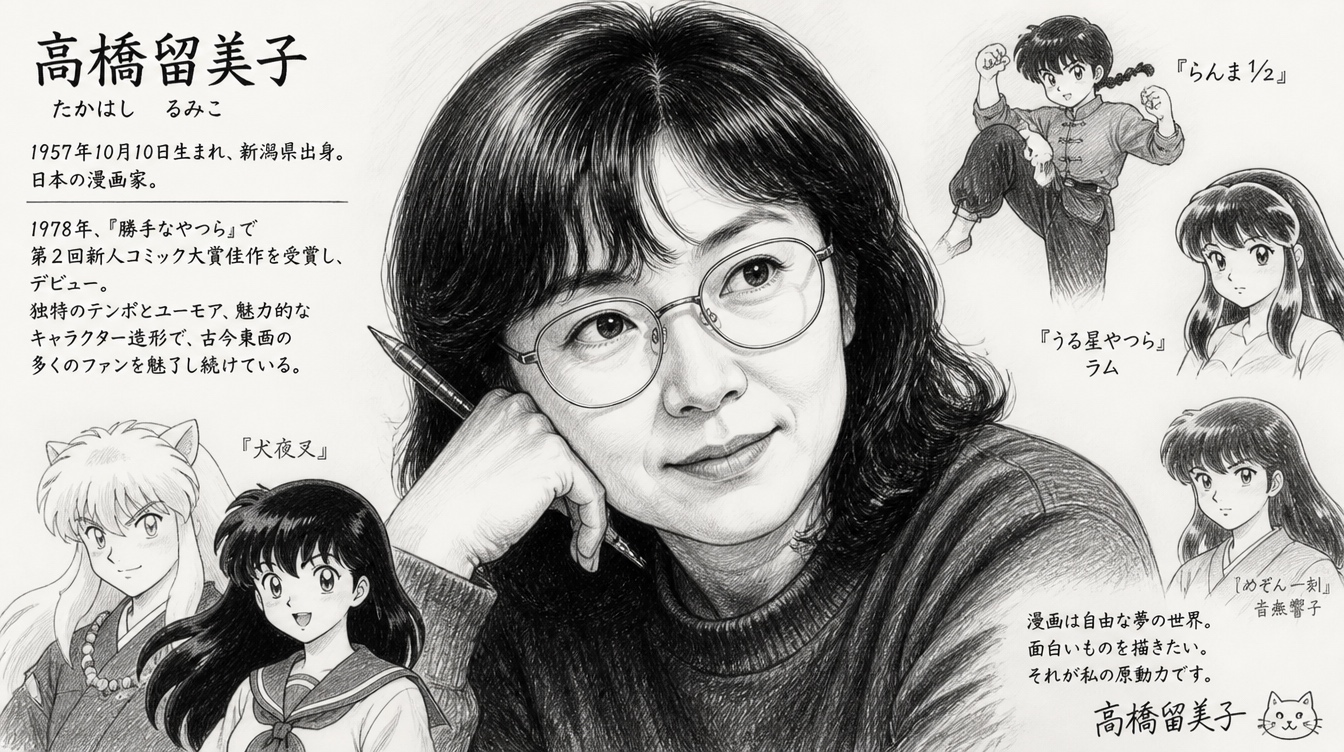
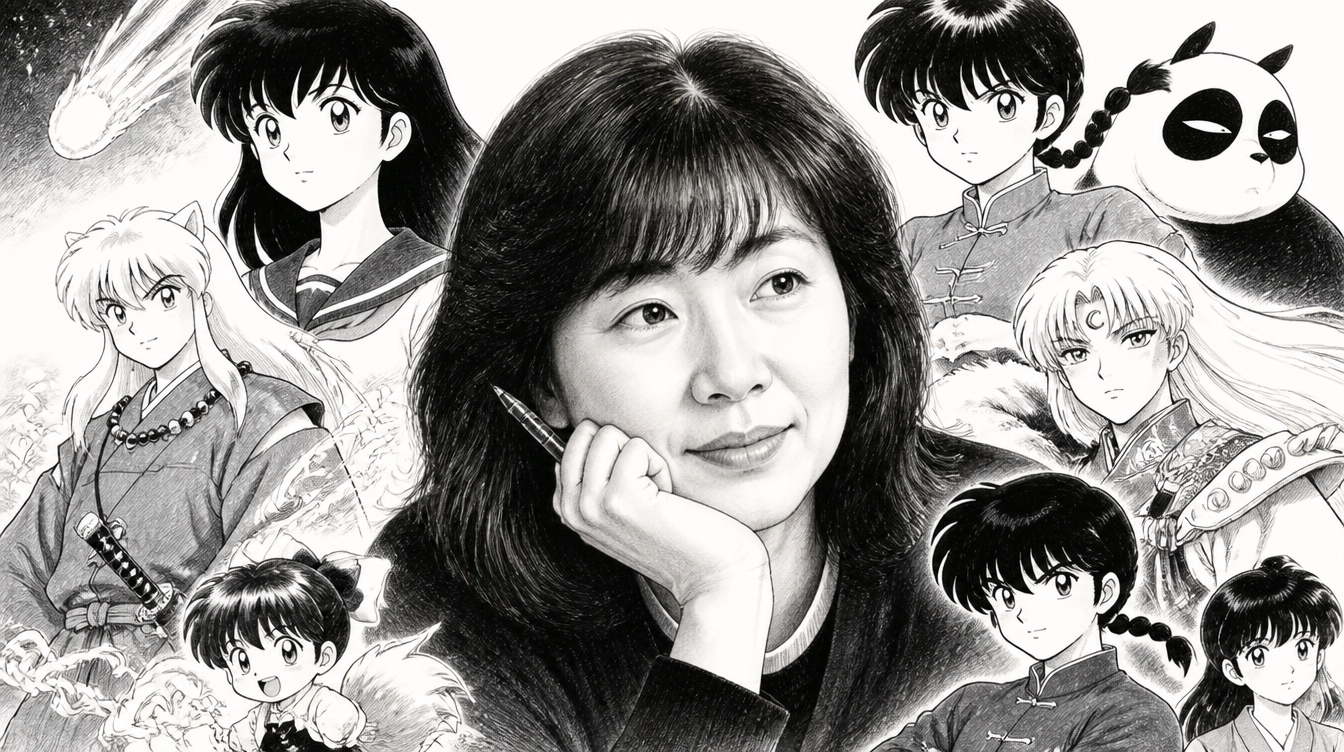
Rumiko Takahashi and Her Worlds高桥留美子与她的作品世界
1957.10.10Manga artist漫画家Comedy / Romance / Folklore喜剧 / 恋爱 / 民俗Urusei Yatsura / Ranma / Inuyasha《福星小子》/《乱马》/《犬夜叉》
Rumiko Takahashi was born in Niigata in 1957 and became one of the most commercially successful and structurally distinctive manga artists in modern Japan. Her work moves with unusual ease between slapstick, romance, domestic farce, supernatural folklore, and long-form adventure. She is often called a master of comic timing, but that undersells the machinery beneath the laughter: her stories build social pressure, romantic delay, repeated misunderstandings, and mythic intrusion into systems that can run for years without exhausting themselves.
What makes Takahashi special is elasticity. A household can become a battlefield; a school corridor can become a stage for cosmic embarrassment; a curse can function as gender comedy, body comedy, and social metaphor at the same time. She draws worlds where everyday life is never sealed against the fantastic.
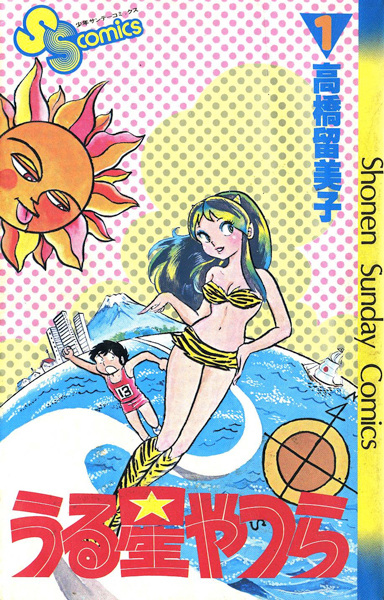
Alien princess Lum, unlucky Ataru, and a swarm of folklore, sci-fi, and school comedy turn love into a noisy social weather system.
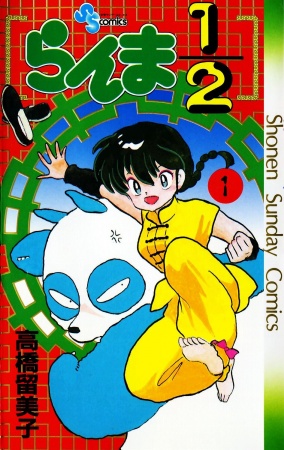
A martial-arts curse comedy where bodies change, engagements multiply, and identity is negotiated through rhythm, embarrassment, and combat.
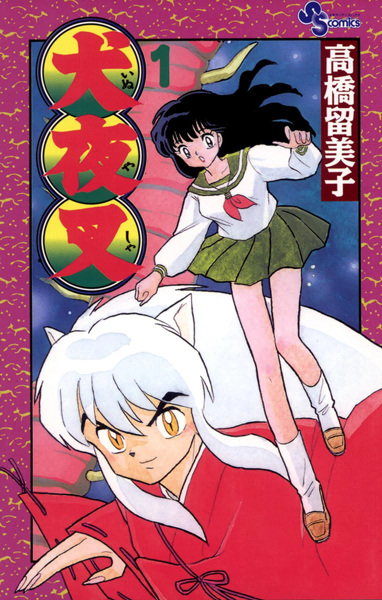
A time-slip fantasy joining modern school life to Sengoku-era demons, romance, shard quests, and emotionally legible mythic adventure.
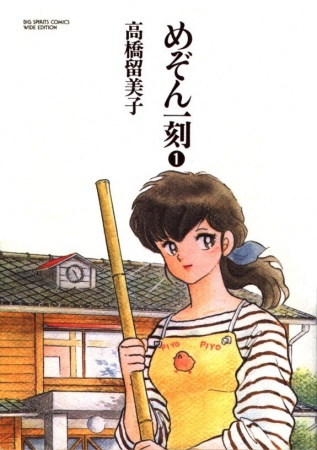
A quieter romantic comedy about grief, delay, work, neighbors, and adulthood, proving Takahashi's precision outside supernatural chaos.
Takakahashi's works have a particular afterlife in Chinese-speaking culture because they arrived through several overlapping routes: translated manga, television anime broadcasts, VCD/DVD circulation, fan subtitles, rental shops, campus reading, and later streaming and online discussion. For many Chinese readers born in the 1980s, 1990s, and early 2000s, titles such as Ranma 1/2 and Inuyasha were not only Japanese imports; they were part of how a generation learned the emotional vocabulary of manga and anime.
Inuyasha reached China through a different route: romance, myth, long-form television rhythm, and the melancholy of ending themes. Its demons and talismans are Japanese in texture, yet Chinese viewers often read them alongside familiar traditions of fox spirits, sword fantasy, reincarnation, and tragic loyalty. Takahashi's strongest bridge to China may be this: she makes folklore behave like popular emotion.
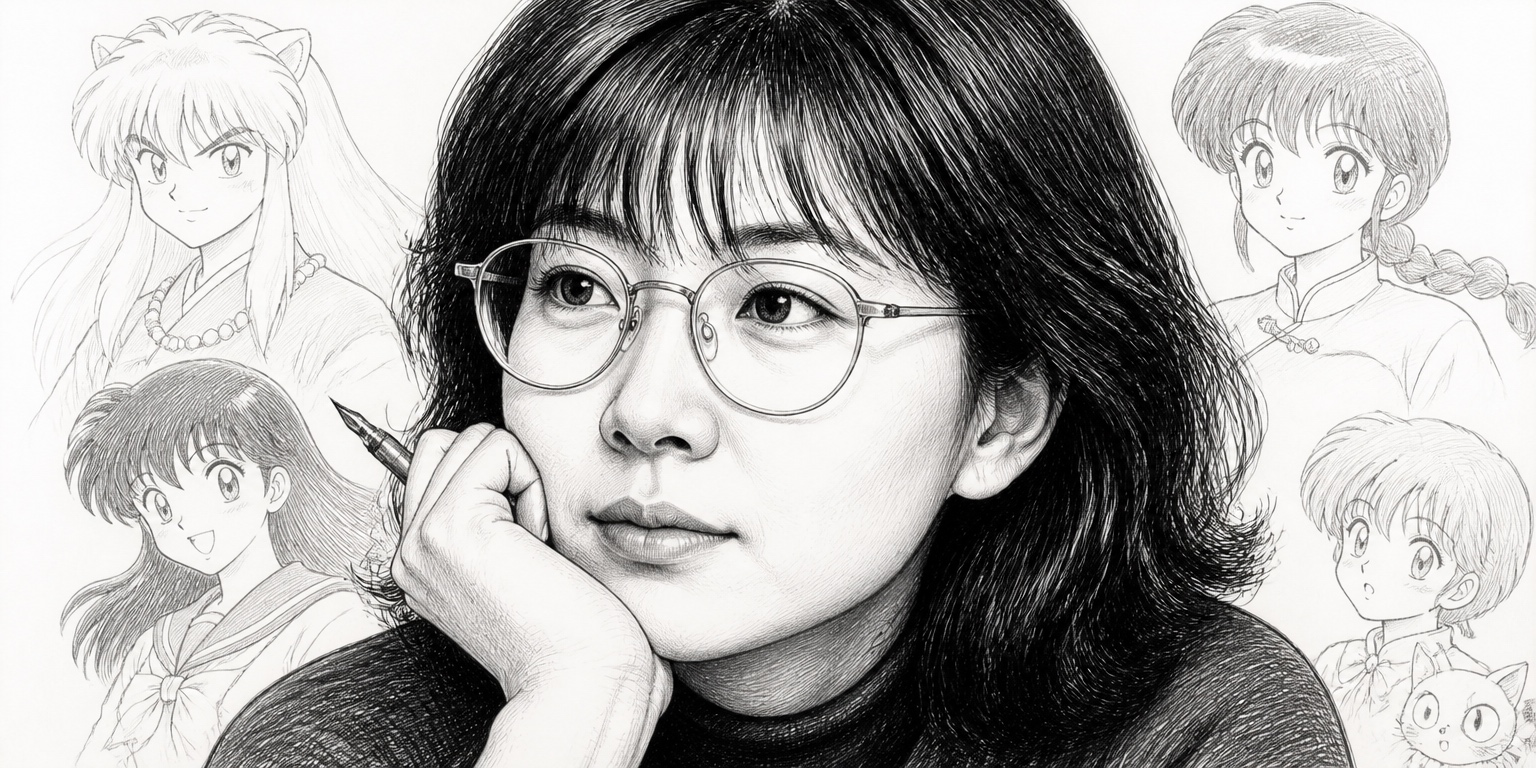
Takahashi's achievement is not only that she created hits. It is that she built reusable engines of feeling. Her characters keep returning to the same rooms, jokes, fights, and emotional blockages, yet the repetition rarely feels empty because each loop tests a relationship. She made serial manga feel like a neighborhood: ridiculous, crowded, recognizable, and impossible to leave cleanly.
高桥留美子 1957 年出生于日本新潟,是现代日本漫画史上最具商业影响力、也最具个人辨识度的创作者之一。她的作品可以在夸张喜剧、恋爱拉扯、家庭闹剧、妖怪民俗与长篇冒险之间自如切换。人们常说她擅长掌握喜剧节奏,但这还不足以概括她真正的结构能力:她能把社会压力、恋爱延迟、反复误会与神怪闯入,组织成一套可以多年持续运转、仍不轻易耗尽的叙事机器。
高桥最特别的地方,在于她惊人的弹性。一个家庭随时可以变成战场,一条学校走廊也能升级成宇宙级尴尬现场;一个诅咒则往往同时承担性别喜剧、身体喜剧与社会隐喻的多重功能。她笔下的日常生活从来不是封闭稳定的,奇幻总会从缝隙中渗进来,重新改写人与人之间的关系。
外星公主拉姆、倒霉的诸星当,以及民俗、科幻与校园喜剧不断相互碰撞,让恋爱本身变成一场持续升温的社会气候。
一部以武术、诅咒与变身为核心动力的喜剧:身体不断变化,婚约不断增殖,身份则在节奏、羞耻与打斗中反复被协商。
现代校园少女与战国妖怪世界彼此连通,发展出一部长篇式的恋爱、四魂碎片追寻与神话冒险叙事。
这是一部更安静也更成熟的恋爱喜剧,书写丧失、等待、工作、邻里关系与成年生活,也证明高桥在神怪混乱之外同样拥有极高的情感精度。
高桥留美子的作品在中文世界拥有非常特殊的传播生命史,因为它们是通过多条路径抵达读者与观众的:漫画译本、电视动画、VCD/DVD、字幕组、租书店、校园传阅,以及后来的流媒体与网络讨论。对许多 80 后、90 后和 00 后早期观众来说,《乱马1/2》《犬夜叉》等作品并不只是“日本流行文化输入”,也是一整代人学习漫画与动画情感语法的重要入口。
《犬夜叉》在中国的传播路径则有所不同,它更多依赖恋爱叙事、神怪系统、长篇电视动画节奏,以及片尾曲所带来的青春记忆。作品中的妖怪、符咒与时代质感主要来自日本语境,但中文观众往往也会自然地把它与狐妖、剑侠、轮回、忠义和宿命等熟悉传统放在一起理解。高桥与中国观众之间最稳固的桥梁,也许正是在这里:她让民俗不只是题材,而是像大众情感一样持续运转。
高桥留美子的成就,不只是创造了大量畅销作品,更在于她发明了一整套能够反复运转的情感引擎。她笔下的人物不断回到相似的房间、笑话、争吵与情感堵点,但这种重复很少显得空洞,因为每一次循环其实都在重新测试人物关系。她让连载漫画像一个街区:荒唐、拥挤、熟悉,而且很难真正干净地离开。