StarCraft and the Korean Progamers星际争霸与韩国职业选手
Pro leagues / meta / legends职业联赛 / 版本演化 / 传奇选手Brood War / StarCraft II / KeSPA / GSL / ASLBrood War footage / arena play母巢之战影像 / 赛场对局
Among all RTS games I have played, StarCraft remains the greatest. That judgment is not based only on map balance, race asymmetry, pacing, or the extraordinary depth of mechanical execution, though all of those matter. It is also based on what StarCraft became in Korea: a long-lived competitive civilization with televised leagues, team houses, disciplined practice culture, commentators, rivalries, strategies named after players, and a sense that digital competition could carry the seriousness of real sport.
Modern RTS as a mass genre has declined because it asks too much at once. A player must manage economy, production, scouting, information denial, army control, expansion timing, upgrades, positional judgment, and psychological endurance under unforgiving time pressure. MOBAs and auto-battlers stripped away much of that load. StarCraft never did. That difficulty made it harder to scale casually, but it also gave the game a kind of competitive dignity that few later genres have reproduced.
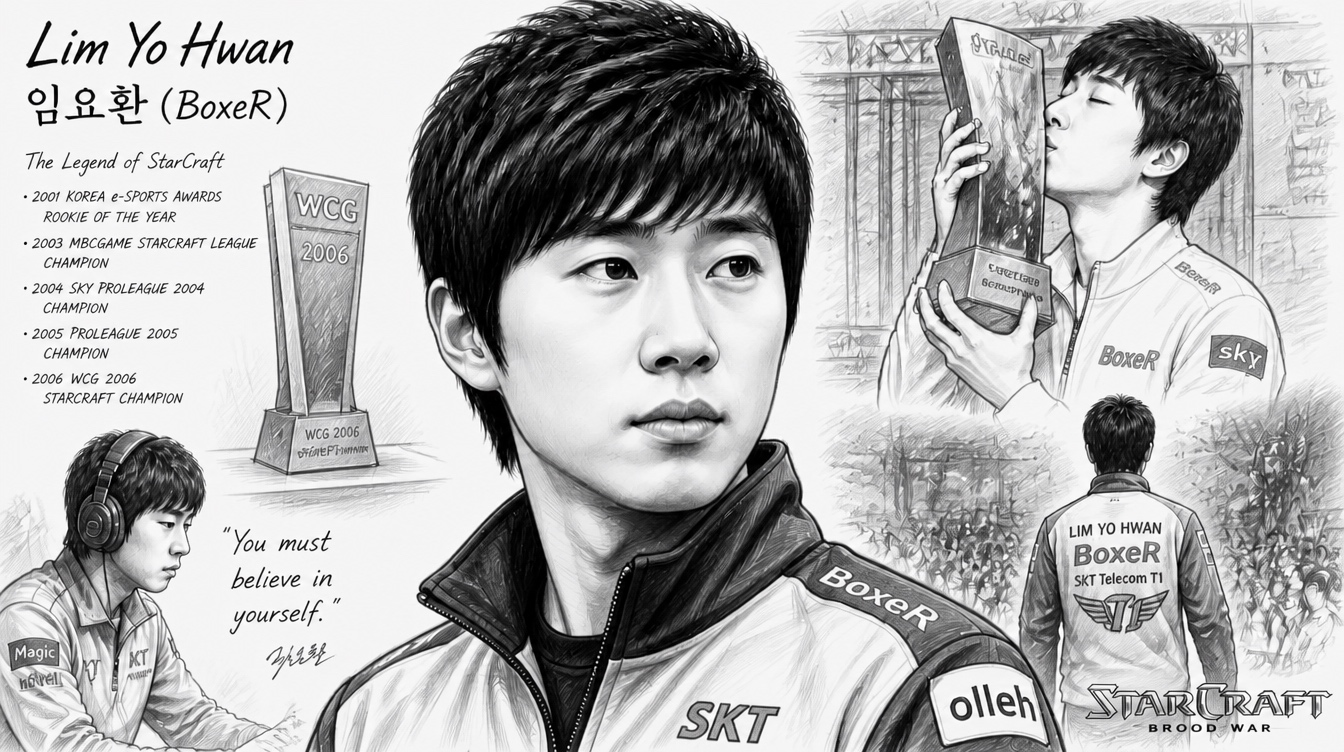
This local loop is built from the same article assets: Boxer as symbolic founder figure, stadium-era Brood War atmosphere, Nada and Flash as dynasty markers, and StarCraft II as the later global continuation. It is not only decoration. It reminds the reader that StarCraft history is audiovisual, stage-driven, and inseparable from the look of Korean esports in its formative decades.
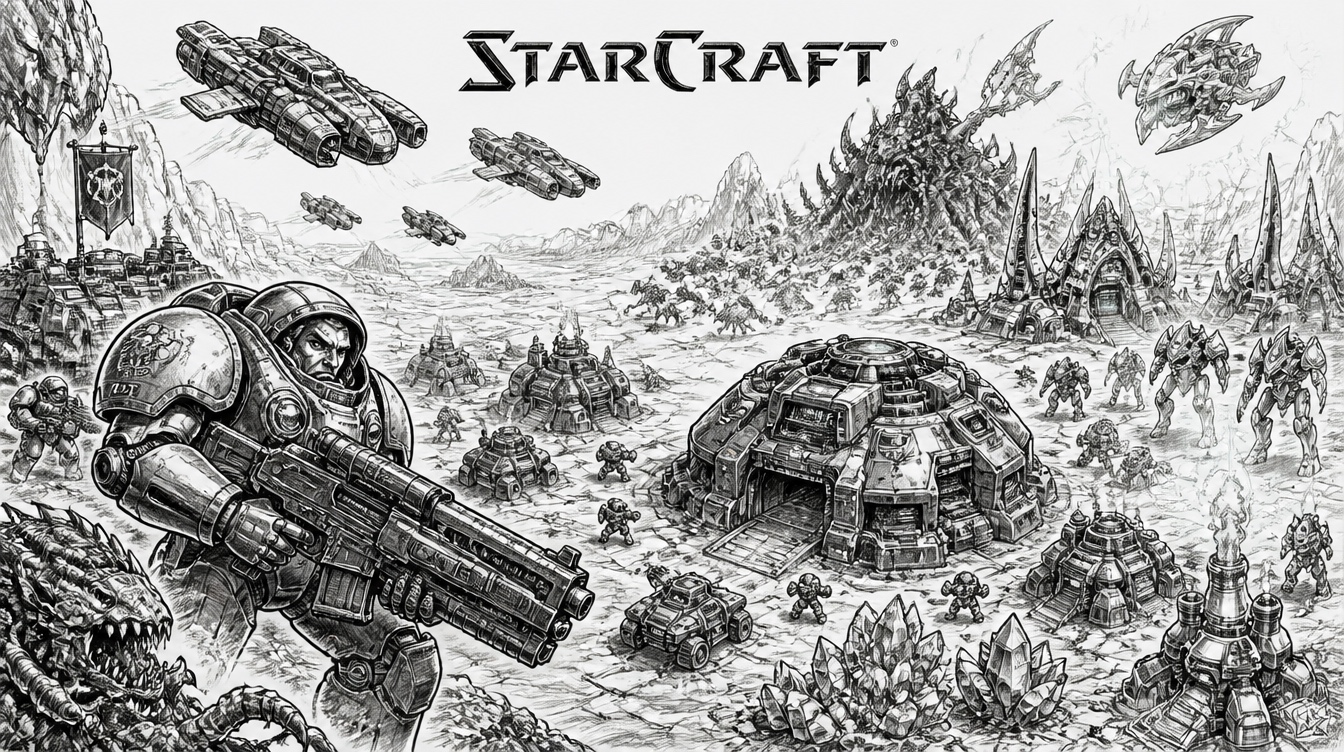
StarCraft launched in 1998 and Brood War followed the same year. Together they formed one of the most influential RTS systems ever made. The design looks simple on the surface: three factions, finite resources, fog of war, base building, and armies on a map. But the real brilliance lies in how much strategic meaning emerges from asymmetric design under strict mechanical constraint.
Terran, Protoss, and Zerg are not palette swaps. They embody radically different production logics, movement rhythms, tech structures, macro burdens, and tactical identities. StarCraft also benefits from meaningful friction: unit pathing is imperfect, control groups are limited, economy saturation matters, and multitasking is always painful. These constraints do not weaken the game. They create the skill expression that makes high-level play look like controlled chaos rather than automated optimization.
It is strategically deep, tactically legible, mechanically demanding, and endlessly renewable through maps and match-up evolution.
Openings, worker counts, supply blocks, tech reveals, army movement, scouting denial, timing windows, and positional collapse.
The races are asymmetrical enough that balance is inseparable from maps, eras, and the current strategic language of the scene.
Korean Brood War was not merely a tournament circuit. It was an institutional ecosystem. KeSPA, OSL, MSL, Proleague, televised broadcasting, gaming houses, and team-based training created an environment where players became full-time specialists before “esports” was globally normalized. Fans did not just support a favorite race or map pool. They followed dynasties, revenge arcs, title defenses, and the stylistic identities of players.
Today Brood War is no longer the uncontested center of Korean esports, but it is not dead. StarCraft: Remastered and the AfreecaTV or SOOP Starleague era preserved a serious veteran scene. The audience is smaller, older, and more historically aware. In some ways the current Brood War scene feels more archival and more refined: less mainstream, but more consciously in dialogue with its own history.
| Era | Main structure | What defined it | Current historical meaning |
|---|---|---|---|
| 1999-2003 | Early TV leagues, PC bang culture | Esports legitimacy, first icons, televised tactics | Foundational stage where esports learned how to look and sound |
| 2004-2008 | OSL, MSL, Proleague peak | Corporate teams, rivalries, full strategic maturity | Brood War's undisputed golden age |
| 2009-2012 | Late KeSPA transition | Flash dominance, scene strain, SC2 pressure | Peak mastery mixed with institutional fragility |
| 2017-present | Remastered and ASL or SSL revival | Veteran legends, nostalgia plus real competition | Historical continuation rather than mainstream supremacy |
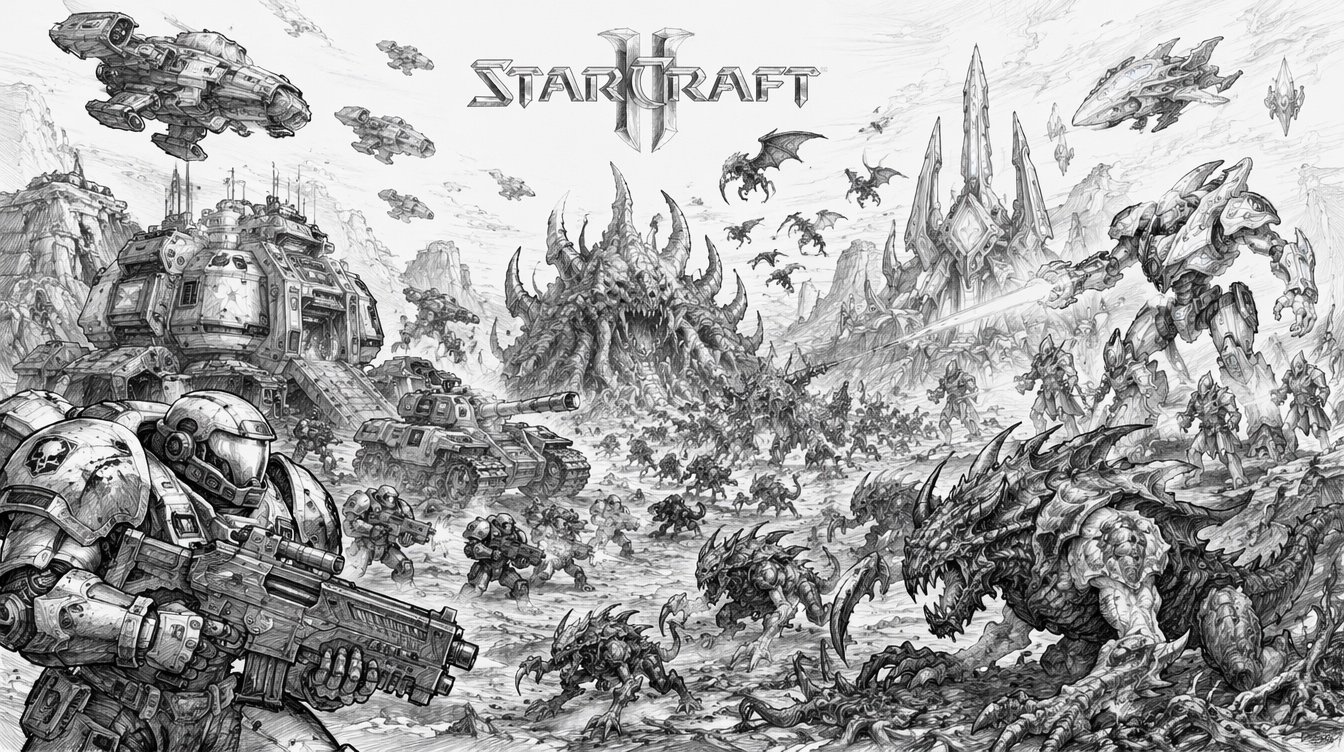
StarCraft II inherited the burden of following perhaps the most important RTS esport ever built. It modernized control, improved pathing, increased readability, accelerated macro through interface quality-of-life, and made the game more watchable for new audiences. It also globalized the scene more thoroughly than Brood War ever did. If Brood War was centered on Korea with selective foreign challenge, SC2 became a genuinely international circuit with Korean dominance, European ascent, and later a more plural competitive geography.
Its professional ecosystem has moved through multiple structures: GSL, MLG, WCS, IEM, DreamHack, ESL Pro Tour, and various regional systems. The Korean scene remained central for years because its training culture and competitive depth were unmatched. But over time, SC2 became the StarCraft title in which a non-Korean player could credibly become the greatest in the world. That fact is inseparable from the rise of Serral.
Cleaner interface, stronger global infrastructure, modern replay literacy, and more accessible viewing for non-specialists.
Some Brood War purists felt the friction was reduced too much, lowering the unique texture of execution and improvisational mess.
Smaller than its peak, but still serious, international, and historically important, especially around GSL legacy and ESL-backed global majors.
StarCraft and Brood War establish the core system that will dominate Korean PC bang and esports culture.
Televised leagues begin to turn competitive gaming into a spectator medium; Boxer emerges as the first mega-star.
OSL, MSL, and team-house structures mature; Nada, iloveoov, Reach, Yellow and others define elite Brood War professionalism.
Bisu revolutionizes Protoss-versus-Zerg theory; Jaedong becomes the definitive aggressive Zerg icon; Proleague culture deepens.
Flash reaches terrifying peak dominance and becomes the model of complete Brood War mastery.
StarCraft II launches and begins the long institutional transition from BW centrality to a split historical era.
GSL and global SC2 circuits consolidate; Korean players still dominate, but the game becomes structurally international.
Brood War revival through Remastered and ASL; SC2 remains active through ESL and GSL heritage; Serral era redefines the global hierarchy.
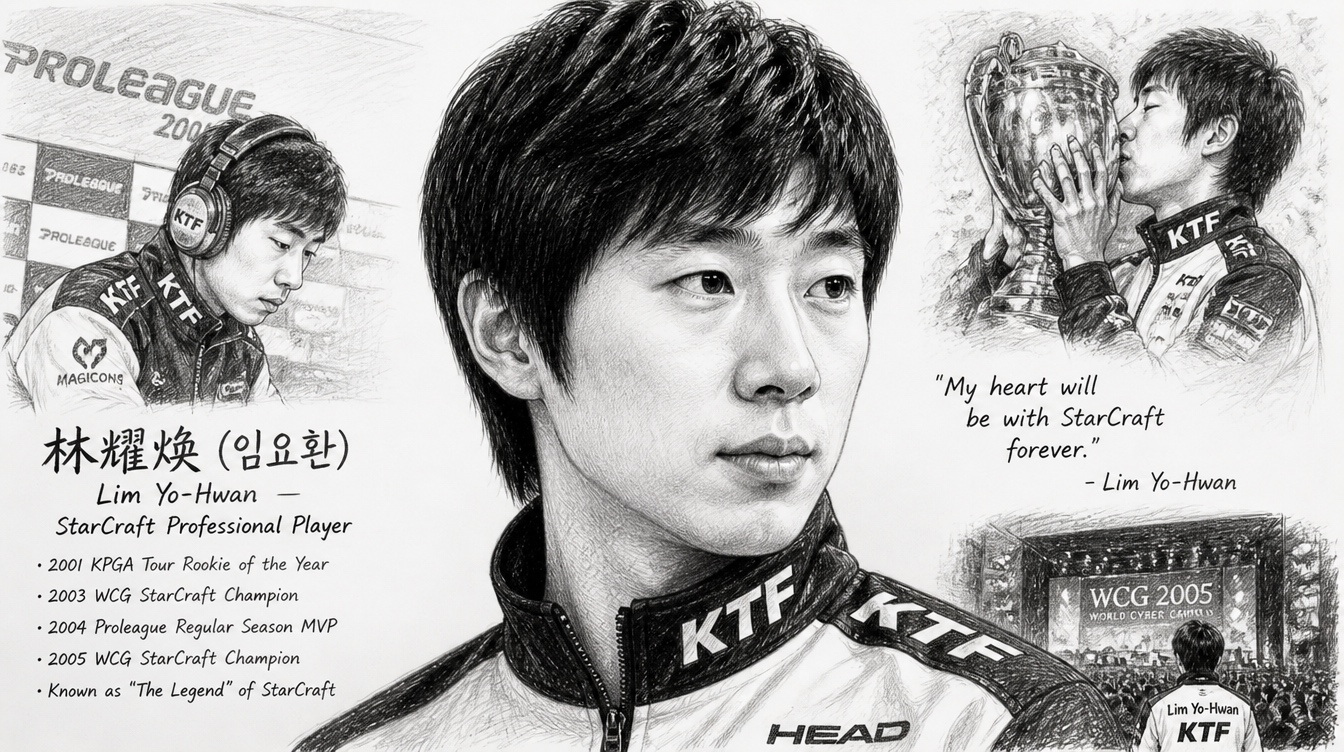
Boxer became the founding figure of Korean StarCraft esports, and his championships explain only part of his reputation. His nickname, "The Emperor," fits the scale of his public presence. Creative dropship play, harassment, and dramatic comebacks made Terran matches legible and exciting to television audiences who did not yet know the game in detail.
His importance exceeds trophy count. Boxer helped define what a professional esports star could be: marketable, narratively central, tactically inventive, and emotionally legible to a huge audience. He made people care about StarCraft both as a game of systems and as a theater of personality and will.
First true national StarCraft icon, symbolic father of the Korean scene, and the player who gave early esports its heroic grammar.
Creative Terran, dropship terror, crowd magnet, emotionally dramatic matches, and unmatched early-era charisma.
Not always placed first in pure peak-strength debates, but almost always ranked first-tier in cultural significance.
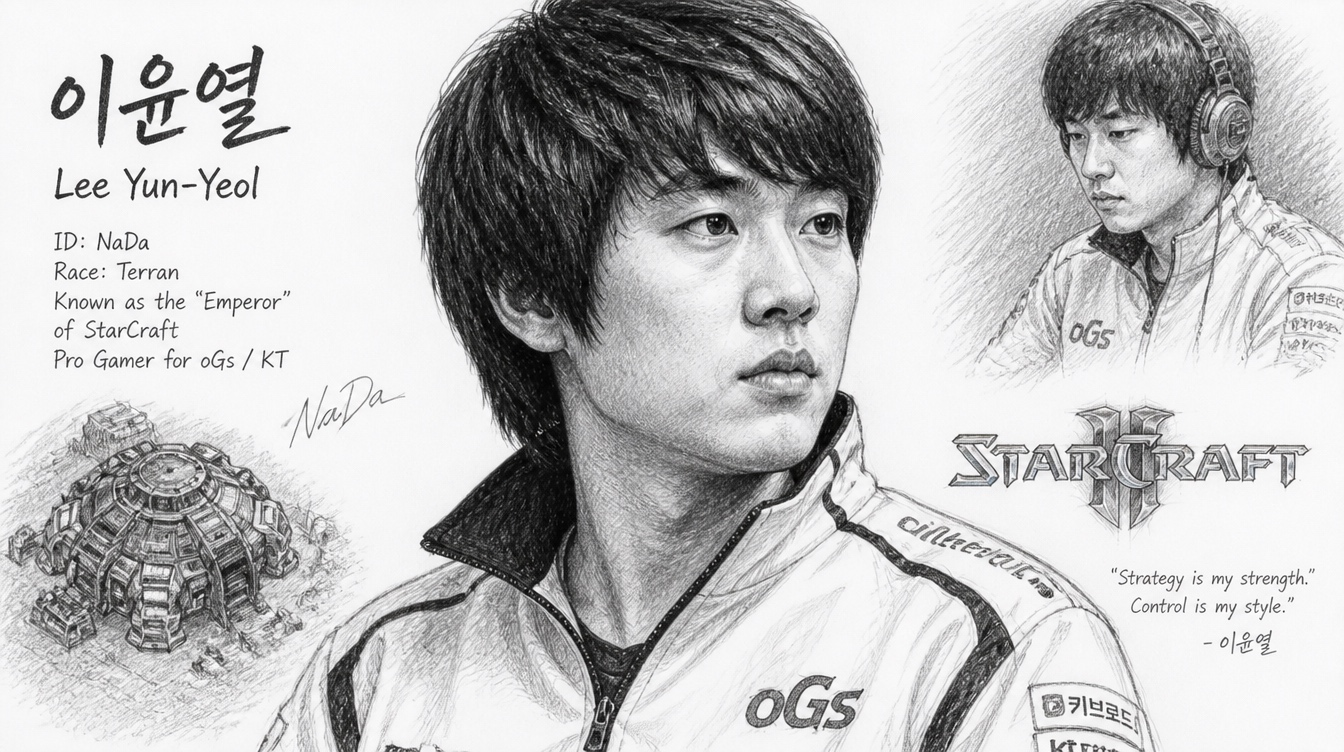
Lee Yun-yeol, Nada, is one of the earliest players who made Brood War look brutally systematic. Where Boxer felt theatrical and improvisational, Nada often felt colder, cleaner, and more architectural. He helped establish Terran as a race of relentless mechanical integrity, punishing macro, and exact timing.
Nada matters because he marked a shift from charismatic pioneering to industrial excellence. In historical rankings, he belongs in any serious conversation about the strongest early Brood War Terrans and one of the players who accelerated the professionalization of elite play.
One of the first players to make efficient macro execution itself feel overwhelming enough to define an era.
A central pillar of early Brood War greatness, often discussed beside Boxer, iloveoov, Reach, and later Flash.
He represents the moment StarCraft stopped being only inventive and became terrifyingly disciplined.
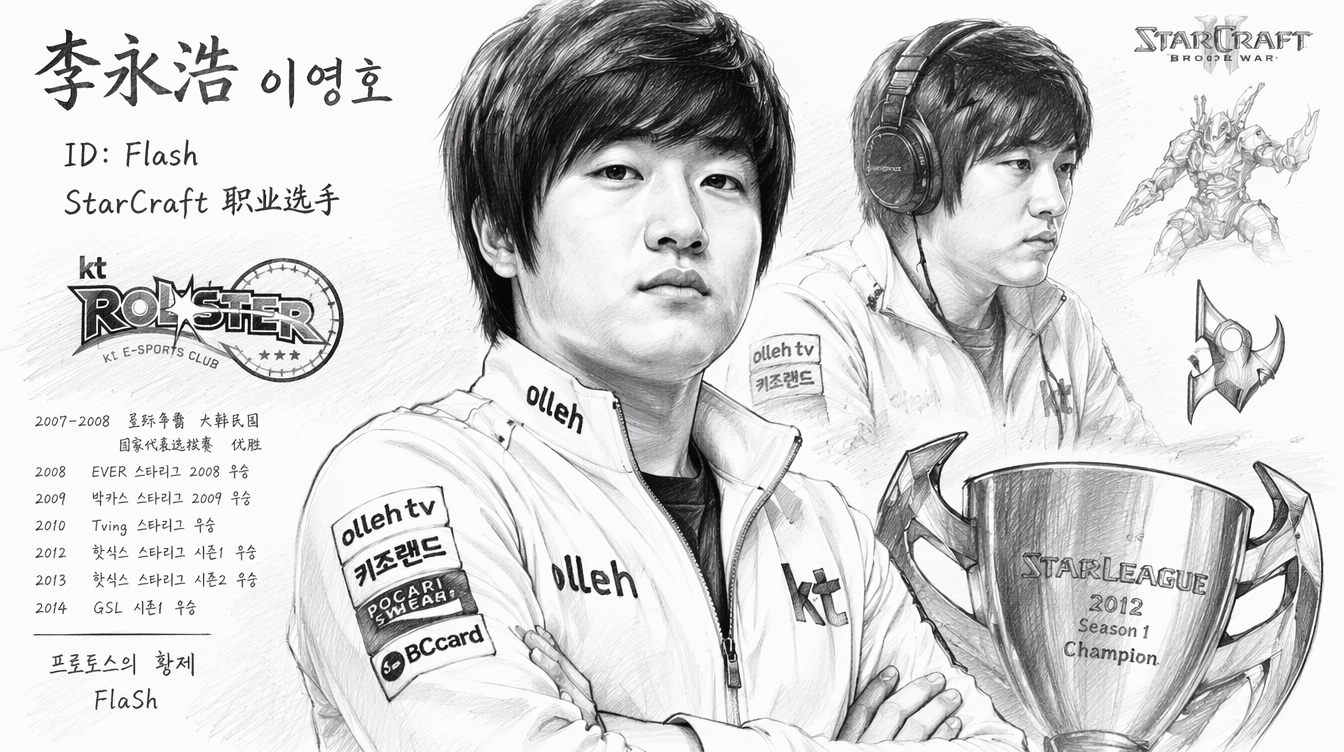
Lee Young-ho, Flash, is the closest Brood War has to a consensus GOAT in pure competitive strength. Even in a game famous for asymmetry, patchless endurance, and era-specific meta shifts, Flash looked fundamentally more complete than almost everyone else. His mechanics, map reading, economy, positioning, transition timing, and emotional control combined into a form of dominance that often felt less like momentum and more like inevitability.
Flash was not simply winning with superior hands. He made strategic decisions at a level of cleanliness that compressed opponents' options before they could breathe. In historical terms, he is the standard against which later discussions of peak Brood War excellence are still measured.
| Player | Race | Why important | Historical note |
|---|---|---|---|
| Hong Jin-ho, Yellow | Zerg | One of the first beloved Zerg stars; emotional fan favorite with huge cultural afterlife. | Even without the most dominant title sheet, Yellow is indispensable to early scene identity. |
| Park Sung-joon, iBX or iPX Yellow / July style era reference | Zerg | Helped define aggressive elite Zerg play and tournament-era prestige. | Often remembered as one of the central Zerg standards before Jaedong's full legend stage. |
| Ma Jae-yoon, Savior | Zerg | Once historically enormous in-game influence, especially for Zerg macro and crisis control. | Legacy is permanently damaged by match-fixing scandal, so he is historically important but ethically irrecoverable. |
| Kim Taek-yong, Bisu | Protoss | Revolutionized PvZ and restored Protoss prestige through strategic invention and control. | Often treated as the player who changed what Protoss could mean at elite level. |
| Song Byung-gu, Stork | Protoss | Elegant macro Protoss and one of the defining rivals of the Bisu-Jaedong-Flash era. | Important both for titles and for how aesthetically clean high-level Protoss could look. |
| Lee Jae-dong, Jaedong | Zerg | Ferocious, fast, mechanically iconic, and one of the most beloved champions in all StarCraft. | For many fans, Jaedong is the emotional face of peak Zerg greatness. |
| Park Jung-seok, Reach | Protoss | Early Protoss landmark and one of the foundational stars of the TV-league age. | Critical for showing that Protoss could produce true franchise figures. |
| Choi Yeon-sung, iloveoov line context | Terran | Representative of the terrifying Terran academy of precision and pressure. | Brood War greatness is crowded; his name survives because the era was that deep. |
This ordering is not only about raw trophy count. I am weighing peak dominance, strategic impact, longevity, strength of opposition, international importance, and how much each player changed what excellence in SC2 looked like. On that basis, I put Serral first. Calling him a great foreign player in a Korean game understates his place in SC2 history. He is one of the clearest proofs that SC2 finally became globally open at the very top.
| Rank | Player | Why this placement | Historical identity |
|---|---|---|---|
| 1 | Serral | Unmatched consistency, global major wins, cross-era relevance, and the strongest non-Korean championship authority SC2 has seen. | The player who broke the psychological ceiling of world hierarchy. |
| 2 | Maru | Extraordinary longevity, GSL stature, mechanical elegance, and repeated elite reinvention. | The Korean macro-mechanics king of late SC2. |
| 3 | INnoVation | Brutal efficiency, machine-like Terran power, major titles, and historically terrifying peak form. | The cleanest industrial Terran of SC2. |
| 4 | Rogue | Big-match strength, strategic flexibility, and one of the best clutch records in premier competition. | The killer tournament Zerg. |
| 5 | Mvp | Foundational early SC2 greatness and one of the players who defined the first true era of dominance. | The injured genius who still ruled. |
| 6 | sOs | Creative championship intelligence, impossible-to-read builds, and major-tournament magic. | The genius trickster champion. |
| 7 | Dark | Modern Zerg excellence with aggression, control, and consistent top-end relevance. | The pressure-artist among late-era elites. |
| 8 | herO | High-tempo Protoss brilliance and one of the most aesthetically distinctive elite SC2 players. | The modern expressive Protoss flagship. |
Serral stands first because his dominance was not provincial or merely seasonal. He defeated Koreans consistently, won globally, and made elite Zerg look disciplined rather than only explosive. He converted foreign excellence from exception into stable championship reality.
Maru combines mechanics, control, and strategic self-renewal. His legacy is inseparable from GSL prestige and the ability to remain terrifying after meta, patch, and era changes.
Few SC2 players ever looked so machine-like. His Terran was devastating because it was economical, forceful, and surgically timed.
Rogue is one of the great tournament predators of SC2: flexible, dangerous, and historically reliable in the matches that mattered most.
Mvp defined what early SC2 dominance looked like, and did so while managing physical limitations that made his achievements even more severe.
sOs represents strategic originality; Dark represents modern Zerg violence with discipline; herO represents expressive Protoss skill. Behind them are many other important names: Stats, TY, Zest, ByuN, Reynor, Solar, Classic, and more.
RTS no longer occupies the center of competitive gaming. Its cognitive and mechanical load is simply too high for most contemporary ecosystems that prefer lower entry friction and stronger social onboarding. But that decline does not reduce StarCraft's significance. If anything, it clarifies it. StarCraft belongs to the category of works whose value survives market transition because they established form.
It demonstrated that mechanical difficulty can produce spectator meaning, that asymmetry can remain strategically fertile over long time horizons, and that a national competitive culture can grow around a game serious enough to reward total commitment. When people speak about esports as if it were always destined to exist, they forget how much of its prestige was earned by scenes like Korean StarCraft.
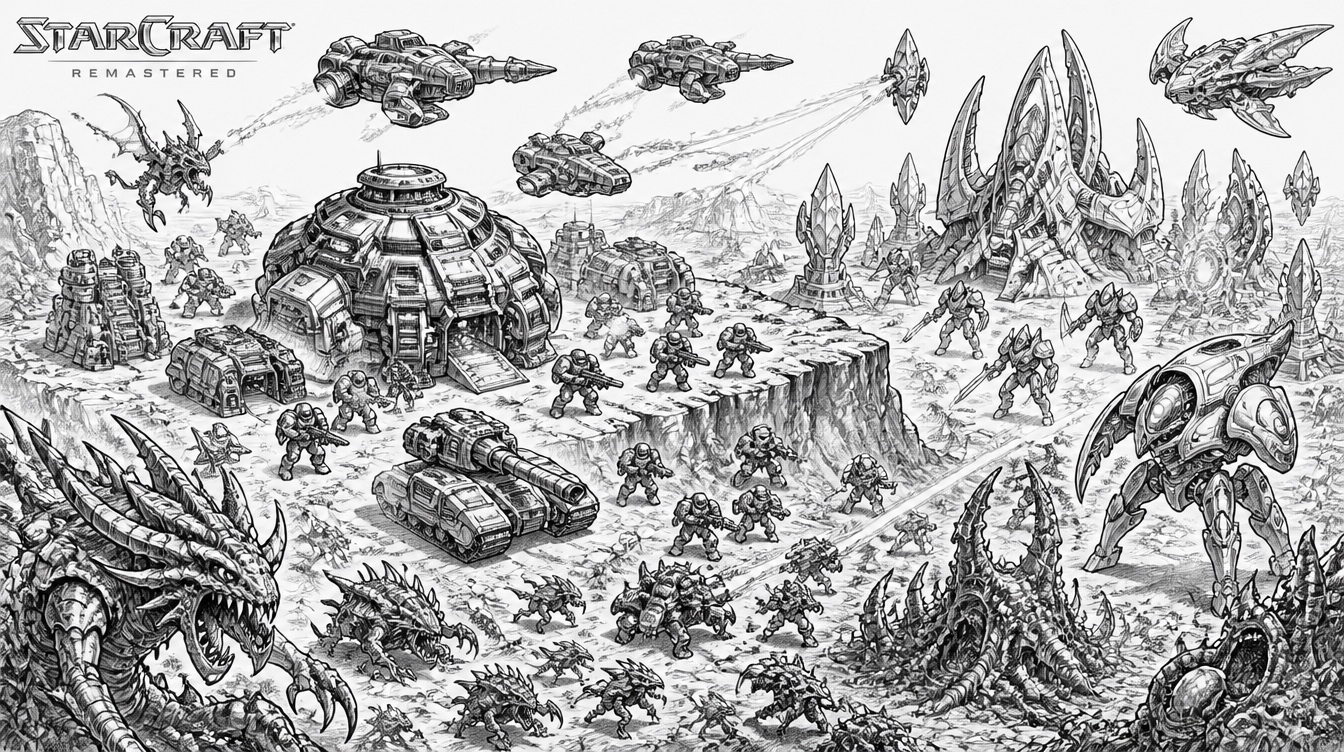
Brood War was never only an in-client experience. The stage, booth lighting, commentary, and audience reaction were part of the grammar through which esports learned ceremony.
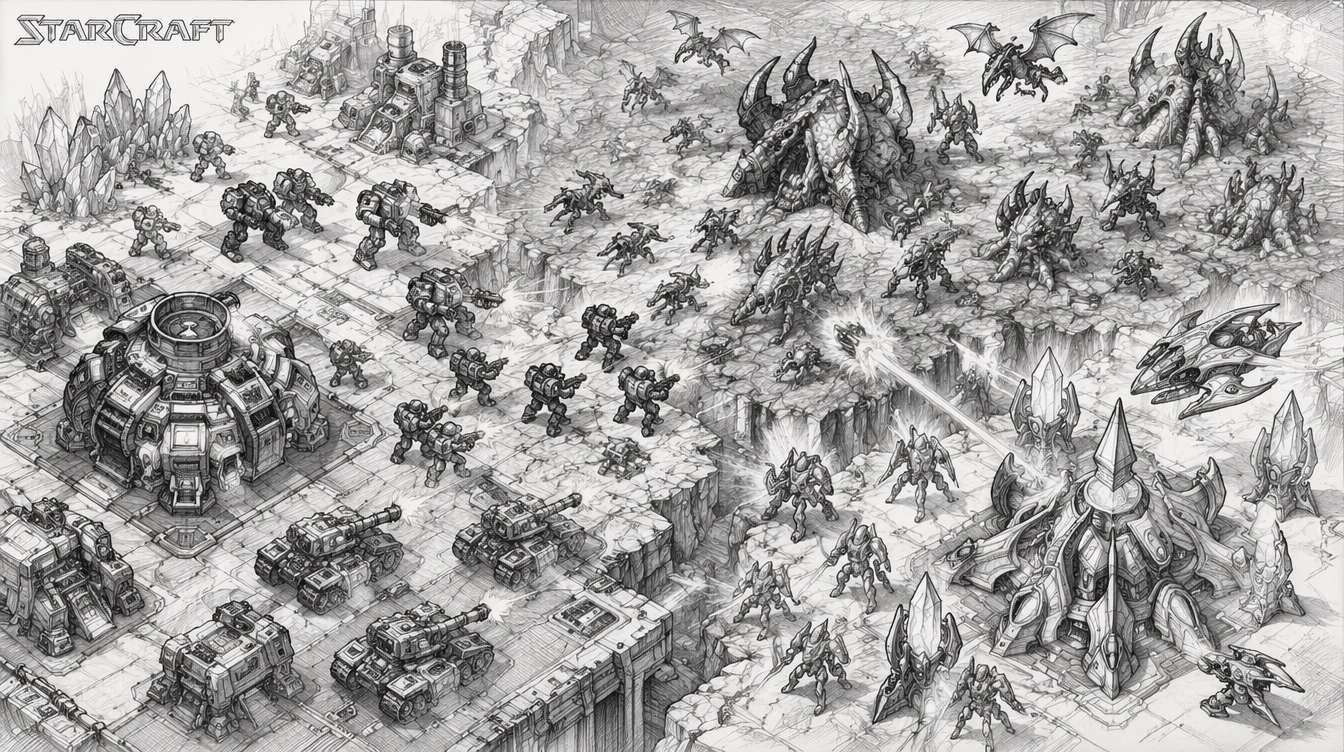
The Korean scene mattered because it normalized repetition: practice houses, coaching, analysis, and competition as real labor rather than hobby spectacle.
StarCraft II widened the map. It did not erase Korean centrality, but it gave the global scene a durable structure within which later non-Korean greatness could fully mature.
在我玩过的所有 RTS 里,星际争霸仍然是最伟大的一款。这个判断并不只建立在种族平衡、地图设计、节奏控制、非对称性和操作深度这些“游戏本体”层面上,虽然这些已经足够强。更重要的是,星际争霸在韩国真正生成了一整套职业电竞文明:电视联赛、战队宿舍、训练文化、解说语言、宿敌叙事、以选手命名的战术,以及一种让数字竞技获得接近传统体育严肃性的公共文化。
今天 RTS 作为大众类型已经衰落,因为它要求玩家同时承担太多复杂度:经济、兵营、侦察、反侦察、兵种控制、扩张时机、升级路线、地形判断、心理承压,全都在高时间压力下并行发生。后来的 MOBA、自动战斗和更轻量的对抗游戏,都在某种意义上剥离了这类总负荷。星际争霸没有剥离。这种复杂性让它更难普及,却也让它拥有一种后来的多数竞技类型难以复制的尊严。
这段本地循环视频由同一组文章素材生成:Boxer 作为开山人物,Brood War 的舞台氛围,Nada 和 Flash 作为王朝坐标,以及 StarCraft II 作为后续全球化延伸。它是在提醒读者:星际历史从来都是舞台性的、可视化的,而且与韩国电竞最初成形时的声音和画面密不可分,并非装饰而已。
《StarCraft》在 1998 年发售,随后的《Brood War》资料片几乎在同年就确立了它的最终历史形态。表面上看,它仍然是典型 RTS:三族、资源、迷雾、基地建设与军队对抗。但真正的伟大在于,它把极高的战略意义压缩进了一个极严格的机械约束系统中。
Terran、Protoss、Zerg 是三套完全不同的生产逻辑、移动节奏、科技结构、宏观负担和战术身份,并非换皮种族。更关键的是,星际的“摩擦”非常有价值:编队受限,路径不完美,多线极痛苦,经济与补给经常让人出错。正是这些限制,让高水平比赛看起来像被控制住的混乱,而不是已经被自动化的最优解。
它在战略、战术、操作、地图演化和种族非对称之间形成了近乎无限可重组的深度。
开局、农民数、补给卡顿、科技暴露、兵线移动、侦察被拒、 timing 窗口和阵型崩溃。
因为它的平衡从来不只是种族数据问题,而与地图、时代和当时的战略语言同时绑定的。
韩国 Brood War 的职业化从来不只是“有比赛”。它是一个制度生态:KeSPA、OSL、MSL、Proleague、电视台、战队宿舍和分析训练,共同把星际变成了真正的职业竞技项目。观众支持的不只是某个种族或某张地图,而是一整套王朝、复仇、卫冕、风格和时代叙事。
今天的 Brood War 已经不再是韩国电竞的唯一中心,但它并没有死。随着《StarCraft: Remastered》以及后来的 ASL 等赛事,它进入了一种更成熟也更“历史自觉”的阶段。观众规模比黄金时代小,观众年龄更大,记忆更长,但这恰恰让它变得更像一个仍然活着的经典项目,而不是被彻底封存的遗物。
| 时代 | 主要结构 | 核心特征 | 今天看它的意义 |
|---|---|---|---|
| 1999-2003 | 早期电视联赛、网吧文化 | 电竞合法性、第一代超级明星、观赛语言开始形成 | 电竞第一次学会如何“被看见、被讲述” |
| 2004-2008 | OSL、MSL、Proleague 巅峰 | 企业战队、宿敌叙事、战略成熟 | Brood War 无可争议的黄金时代 |
| 2009-2012 | KeSPA 末期转型 | Flash 王朝、场景压力、SC2 冲击 | 技术巅峰与制度脆弱性并存 |
| 2017-至今 | Remastered 与 ASL 时代 | 老将、历史感与真实竞争共存 | 不再是主流中心,但仍然是活着的经典竞技项目 |
StarCraft II 背负的是“继承史上最重要 RTS 电竞”的压力。它让操作更现代,路径更清晰,界面更友好,观赛更容易,也让整个生态比 Brood War 更全球化。如果说 Brood War 的核心叙事高度集中于韩国,那么 SC2 则真正变成了一个国际性主赛场:韩国仍长期强势,但欧洲、北美以及其他区域的顶尖力量终于能在同一结构下成熟竞争。
它的职业结构经历过 GSL、MLG、WCS、IEM、DreamHack、ESL Pro Tour 等多个阶段。韩国长期仍是技术和训练的中心,但 SC2 的重要历史意义之一,就是它第一次让“非韩国选手成为这个项目世界第一”不再只是想象,而成为稳定事实。这个变化,几乎无法绕开 Serral。
界面现代、全球化结构更完整、回放和观赛门槛更低,更适合国际化传播。
部分 Brood War 玩家认为它减少了过多“高摩擦”,从而削弱了那种独特的执行纹理与混乱中的创造性。
规模不如巅峰,但依然严肃、国际化,并且通过 GSL 遗产和 ESL 体系保有历史重量。
《StarCraft》和《Brood War》确立核心系统,随后迅速进入韩国网吧和电竞文化中心。
电视联赛开始,Boxer 崛起,电竞第一次真正拥有全国性偶像。
OSL、MSL、战队宿舍体系成熟;Nada、iloveoov、Reach、Yellow 等奠定职业标准。
Bisu 改写 PvZ 理论,Jaedong 成为最具标志性的激进 Zerg 王者,职业叙事进入高密度时期。
Flash 抵达近乎恐怖的统治高峰,成为 Brood War 技术完美性的代名词。
StarCraft II 发售,开始推动制度与历史重心的长期迁移。
GSL 与国际 SC2 体系稳固,韩国仍是核心,但项目已经真正全球化。
Brood War 借 Remastered 与 ASL 延续生命;SC2 保持全球重大赛事体系;Serral 时代改写世界等级结构。
Boxer 成为韩国星际电竞的开山人物,冠军履历只解释了他声望的一部分。“The Emperor” 这个称号与他的公众影响力相称。他用创造性的空投、骚扰和戏剧性逆转,让还不熟悉游戏细节的电视观众也能看懂 Terran 比赛并为之投入。
他的意义远远超过奖杯数量。Boxer 几乎定义了“职业电竞明星”最早的完整形态:可被市场识别、可被观众投射情感、战术上富有创造力、叙事上又足够中心化。他让人们真正开始关心星际,不只是因为系统深,而是因为它能承载人物、意志和传奇。
韩国电竞最早的国民级星际偶像之一,也是“职业星际为何值得被严肃看待”的第一批证明。
创造性 Terran、空投戏剧性、观众缘极强、比赛情绪张力高。
即便在纯技术 GOAT 排名里不一定永远排第一,他在文化意义上的地位几乎不可替代。
李允烈 Nada 是最早让 Brood War 看起来具有“工业级精密性”的选手之一。与 Boxer 相比,Nada 更少戏剧化,多了冷、稳、准和结构性压迫。他帮助 Terran 树立了一种几乎像机器一样持续推进的职业标准:经济、节奏、 timing 和执行都带着可怕的完整性。
Nada 的意义,在于他标志着职业星际从“天才开荒期”进一步进入“体系化高压期”。在任何严肃的早期 Brood War 伟大选手讨论中,他都必须拥有非常靠前的位置。
早期 Terran 统治者之一,是 Brood War 前中期历史坐标级人物。
宏观执行冷酷,运营推进整齐,给人一种不浪费任何优势的压迫感。
他代表的是星际从“有天才”走向“有职业精度标准”的那一刻。
李永浩 Flash 在很多人心里几乎就是 Brood War 的纯实力 GOAT。即便放在一个极度非对称、长期无补丁、地图与时代都高度影响平衡判断的项目里,Flash 依然显得比绝大多数人更完整。他的操作、地图理解、经济管理、站位、转型 timing 和心理稳定性,组合成了一种近乎必然性的统治。
Flash 并不是只靠“手快”。他最恐怖的地方是决策的洁净度。他经常在对手还没有明显犯错前,就已经通过结构性优势压缩了对手的全部后续空间。在历史意义上,他仍然是 Brood War 技术完美性的最强参照标准。
| 选手 | 种族 | 为什么重要 | 历史备注 |
|---|---|---|---|
| Yellow 洪榛浩 | Zerg | 最早的大众级 Zerg 偶像之一,情感辨识度极高。 | 即便奖杯不是最统治级,他在早期星际文化中的存在感极高。 |
| July 朴成俊 | Zerg | 帮助建立了高压 Zerg 的职业标准。 | 常被视作 Jaedong 之前最具代表性的强势 Zerg 坐标之一。 |
| Savior 马在允 | Zerg | 曾经拥有极大竞技影响力,尤其是 Zerg 中后期控制与韧性。 | 但其历史评价被假赛丑闻永久摧毁,重要但无法被伦理清洗。 |
| Bisu 金泽龙 | Protoss | 改写了 PvZ 理论,重塑了 Protoss 的顶级竞争力。 | 很多人认为他重新定义了职业 Protoss 应该怎样赢。 |
| Stork 宋炳具 | Protoss | 宏观优雅、运营稳定,是 Bisu-Jaedong-Flash 时代的重要支柱。 | 常被视作“最干净的高水平 Protoss 之一”。 |
| Jaedong 李在东 | Zerg | 凶狠、快速、极具个人魅力,是很多人心中的 Zerg 象征。 | 对大量观众而言,Jaedong 是高峰 Zerg 美学与情感强度的化身。 |
| Reach 朴正石 | Protoss | 早期 Protoss 的标志性人物之一。 | 重要性在于证明 Protoss 也能产生真正的时代偶像。 |
| iloveoov 崔然星 | Terran | 代表 Terran 精密学院派传统。 | 之所以仍被记住,是因为那个时代的深度本身极其可怕。 |
这个排序不只看奖杯数,而是同时考虑巅峰强度、战略影响、长期稳定性、对手质量、全球意义以及“他如何改变了人们对 SC2 顶级强者的想象”。基于这些标准,我把 Serral 放在第一位。他不只是一个“在韩国项目里成功的外国人”,而是第一个让非韩国世界第一从例外变成长期事实的人。
| 排名 | 选手 | 为什么排在这里 | 历史身份 |
|---|---|---|---|
| 1 | Serral | 长期稳定、世界大赛含金量极高、跨时代持续强势,并且真正打破了韩国中心的顶层心理边界。 | 把“全球第一”从韩国专属变成开放事实的人。 |
| 2 | Maru | 恐怖的长期性、GSL 地位、机械执行美感与多次自我更新能力。 | 后期 SC2 韩国 Terran 王者。 |
| 3 | INnoVation | 工业级 Terran、体系化压迫、巅峰时期压制力极强。 | SC2 最像机器的 Terran 巨人。 |
| 4 | Rogue | 大赛能力、灵活性和关键局致命性都极强。 | 典型的“到最重要时刻最危险”的冠军 Zerg。 |
| 5 | Mvp | 早期 SC2 王朝人物之一,历史开创性极强。 | 带伤仍统治时代的硬核天才。 |
| 6 | sOs | 战略创造性、诡变冠军气质、非线性大赛表现极强。 | SC2 最具“鬼才感”的冠军之一。 |
| 7 | Dark | 现代 Zerg 顶尖代表,兼具侵略性和高稳定度。 | 晚期 SC2 的高压 Zerg 王者之一。 |
| 8 | herO | 高节奏 Protoss、美感强、技术辨识度高。 | 现代 SC2 最有表现力的顶尖 Protoss 之一。 |
Serral 之所以第一,不只是因为他拿冠军,而是因为他把“非韩国选手能否成为这个项目真正统治者”这个问题彻底终结了。他的稳定性、判断力和全球大赛强度,是历史级的。
Maru 的伟大建立在长期性、GSL 传统和恐怖的 Terran 控制力之上。他最厉害的地方,是多个时代里都能重新成为最危险的人。
INnoVation 像一台工业机器。他的 Terran 压迫常常是通过最优效率把对手逐步压死,并非“炫技”。
Rogue 属于大赛杀手型选手。对他而言,关键战并不是压力,而像是天然主场。
Mvp 是早期 SC2 最重要的王朝角色之一。考虑到伤病因素,他的历史重量甚至比单看奖杯还要更高。
sOs 代表冠军级创造力,Dark 代表现代 Zerg 高压体系,herO 代表高表现力 Protoss。除此之外,Stats、TY、Zest、ByuN、Reynor、Solar、Classic 等人也都应被认真记住。
RTS 今天已经不再处于竞技游戏主流中心,这个事实很难逆转。它的复杂度太高,学习成本太重,社交引导能力也不如后来的许多类型。但这并不会削弱星际的意义,反而会让它的地位更清楚:它属于那种在市场重心移动之后,反而更能被看出历史分量的作品。
它证明了机械复杂性可以转化为观赛意义,非对称设计可以在极长时间尺度内持续产出新战略,国家级职业文化可以围绕一款游戏形成真正的制度、记忆、语言和传奇。当今天人们把电竞当作理所当然的成熟产业时,常常会忘记:它最早的尊严,有很大一部分就是由韩国星际这样的场景一点点赢出来的。
Brood War 从来不只是客户端里的对局。舞台、灯光、解说和观众反应,是电竞学会仪式感的一部分。
韩国星际伟大的原因之一,是它把训练、分析、战队生活和竞争当成了真实劳动,而不只是表演性兴趣。
StarCraft II 扩大了地图。它没有抹去韩国中心性,但它确实让全球顶层竞争第一次成熟到足以改写等级结构。